 English
 Kinyarwanda

UN Begins Mass Evacuation of Over 10000 Stranded Seafarers in Strait of Hormuz

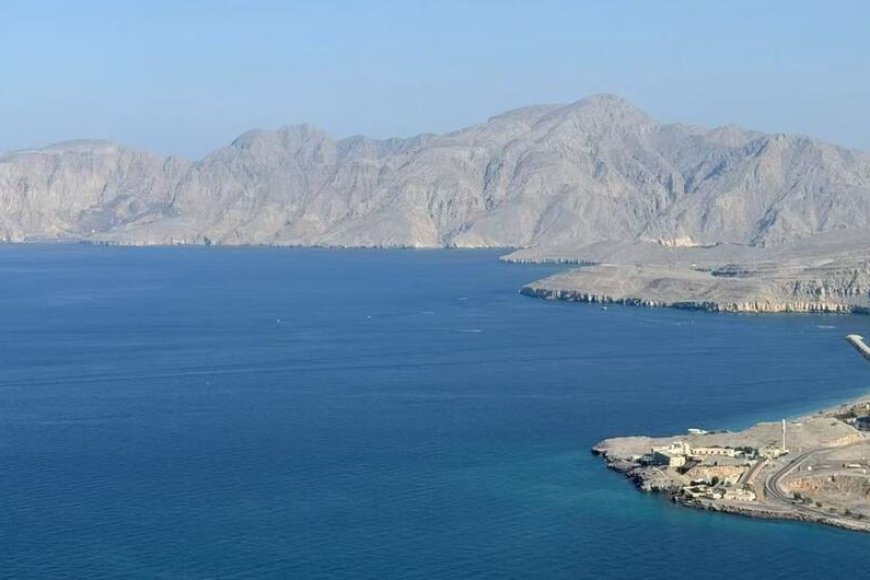
The UN International Maritime Organization (IMO) has begun a mass evacuation operation on Wednesday, June 24 to rescue more than 11,000 stranded seafarers from the Strait of Hormuz, following a breakthrough peace agreement between the United States and Iran.
Ground teams from the UN agency have begun contacting between 500 and 600 commercial ships trapped in the strategic waterway to coordinate a safe exit, UN stated.
The monthslong maritime freeze has triggered a severe global energy shock, disproportionately harmed developing nations, and resulting in the deaths of 14 seafarers since hostilities intensified.
The massive rescue operation is tied directly to a Memorandum of Understanding signed last week by Washington and Tehran.
According to UN, diplomatic officials expect shipping traffic to steadily recover from a recent low of 20 to 30 vessels per day back to the pre-war average of roughly 130 daily transits.
IMO Secretary-General Arsenio Dominguez welcomed the diplomatic resolution on Wednesday, stating: “After months of hardship and distress for thousands of innocent seafarers, and negative impact for the whole world, I welcome with deep satisfaction the peace agreement concluded between the United States and Iran, marking a decisive step towards restoring maritime security and bringing to an end the unacceptable attacks against civilian shipping,”
In an operational communiqué issued to shipping companies and captains today, the IMO mapped out two temporary new sea lanes designed to bypass previous navigation hazards.
Traffic will be redirected through a "Northern route" close to the Iranian coast and a "Southern route" crossing the territorial waters of Oman and the United Arab Emirates (UAE).
While the IMO has secured safety guarantees for the evacuation, the agency noted that Iran and Oman remain responsible for policing their respective waters. Naval authorities maintain the right to halt vessels at any time for security or deconfliction purposes.
To counter the threat of active sea mines and degraded sailing conditions, the IMO ordered all shipmasters to remain stationary until they receive direct orders. Each vessel will be assigned a specific transit group and a designated departure date to guarantee an orderly exit.
The regional shipping crisis began on February 28 following joint Israeli-US bombing campaigns in Iran, placing civilian mariners directly in the line of fire.
For the thousands of sailors trapped onboard the vessels, the extended standoff has exacted a severe psychological toll. Third Officer Clarisse Bangga, a Filipino mariner who was evacuated from her carrier earlier this month ahead of the main operation, detailed the paralyzing anxiety confronting the crews.
“Aside from the stressful effects of the workplace itself, you have also stress from what is going around,” Bangga said. “You don’t know when the war will end, you don’t know when the vessel can safely pass the Strait.”
Bangga emphasized that rigorous onboard emergency drills are the only way crews have managed to maintain operational readiness amidst constant danger.
“We have company procedures and policies…as a Third Officer, my part in that is to prepare and lead the crew to certain drills which will help everyone to know what to do in case, emergency happens. If you know your duties and responsibilities in case of an emergency, I believe everything will go smoothly,” Bangga explained.
The veteran mariner noted that the emotional trauma of navigating active combat zones is nearly impossible for outsiders to comprehend.
“I don’t think anybody can really understand what it feels like to be on the war zone unless they’ve been there,” Bangga said.
“Because as I said, you don’t know when the war will end, you don’t know when your vessel can go out safely. Every day, there are missile attacks, drone attacks, there are alerts, mobile alerts, and you really don’t know what will happen.”
Bangga urged international maritime organizations and shipping firms to provide continuous reassurance and mental health support to the remaining crews to alleviate their severe economic and operational stress.
Tags:
- Strait of Hormuz
- International Maritime Organization
- shipping evacuation
- US-Iran conflict
- maritime security
- seafarers rescue
- global energy crisis
- United Nations
- naval shipping lanes
- Middle East emergency
- Strait of Hormuz
- International Maritime Organization
- shipping evacuation
- US-Iran conflict
- maritime security
- seafarers rescue
- global energy crisis
- United Nations
- naval shipping lanes
- Middle East emergency