
UN Renews South Sudan Sanctions for One Year Despite Council Split

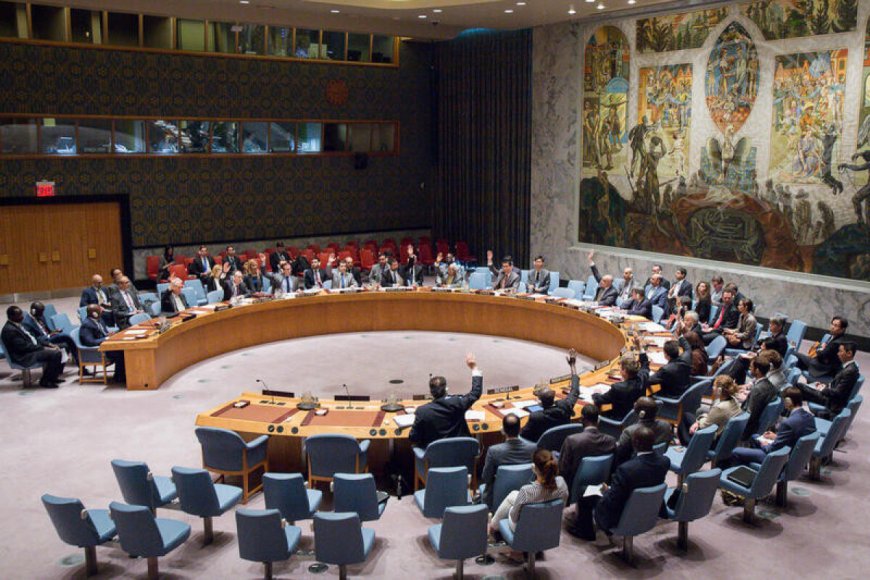
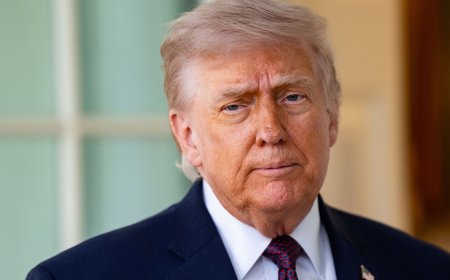
The UN Security Council votes to extend sanctions and an arms embargo on South Sudan for another year under Resolution 2821 (2026). Photo: Courtesy

UN Renews South Sudan Sanctions for One Year Despite Council Split

May 31, 2026 - 18:20
 0

The United Nations Security Council voted on Friday, May 29, to extend sanctions against South Sudan for another year, triggering a clash among member states over whether the penal measures are helping or destroying peace efforts in the world's newest country.


Resolution 2821 (2026), according to UN statement, drafted by the United States, extends an arms embargo, asset freezes, and travel bans until May 31, 2027.

The 15-member council passed the measure with a 9–0 vote, while nations—including China, Democratic Republic of the Congo, Liberia, Pakistan, Russian Federation, Somalia—abstained in a striking display of division.

The vote comes amid deep frustration over delayed progress on South Sudan’s 2018 peace deal, specifically regarding security-sector reforms, disarmament, and unified national forces.

A recent UN report labeled the 2025–2026 period as the most stagnant and troubling since the peace agreement was signed.

The United States strongly defended the renewal, blaming South Sudan's leadership for a total lack of political will to end ongoing violence.

The U.S. representative stated her delegation is “disheartened by the lack of progress on the benchmarks and the continuing deterioration of the political and security situation” in the country.

She criticized the slow political process, noting, “It is farcical to suggest that such dialogue is occurring” while a key signatory to the peace pact remains under house arrest.

However, opponents argued the sanctions are counterproductive and completely ignore African diplomatic voices.

The representative of the Russian Federation criticized the resolution, stating, “these sanctions hamper the successful unfolding of the political process in South Sudan, as well as the implementation of the revitalized peace agreement”.

Russia argued that blocking weapons prevents the government from securing the country ahead of elections planned for December.

China’s delegate, serving as Council President for May, agreed that the arms embargo unfairly limits the government's ability to protect civilians.

“The current text contains several unbalanced statements,” China stated, urging Western powers to listen to African concerns.

The Democratic Republic of the Congo, speaking also for fellow African members Liberia and Somalia, explained their abstentions by noting long-standing doubts that the sanctions will stabilize national institutions.

Pakistan also abstained, warning that such measures “should be used judiciously, reviewed periodically and should not become open-ended or punitive in nature”.

In a response, South Sudan's representative expressed deep regret over the vote, saying the council failed to consult his government properly.

He cited the recent tragic killing of five civil engineers in Central Equatoria State as proof that the arms embargo leaves the country vulnerable to non-state armed groups.

“The continued maintenance of the arms embargo is increasingly inconsistent with the realities and challenge facing the country today,” South Sudan's representative told the council.

He called on the UN to honor the position of the African Union and regional bodies that want the restrictions lifted.

He noted, “sustainable peace is best advanced through strong national institutions, effective security arrangements and genuine national ownership of the peace process.”

The Security Council has ordered a full independent assessment of South Sudan's progress on peace benchmarks by April 15, 2027.
UN Renews South Sudan Sanctions for One Year Despite Council Split

May 31, 2026 - 18:20
 0
UN Renews South Sudan Sanctions for One Year Despite Council Split
The UN Security Council votes to extend sanctions and an arms embargo on South Sudan for another year under Resolution 2821 (2026). Photo: Courtesy

The United Nations Security Council voted on Friday, May 29, to extend sanctions against South Sudan for another year, triggering a clash among member states over whether the penal measures are helping or destroying peace efforts in the world's newest country.


Resolution 2821 (2026), according to UN statement, drafted by the United States, extends an arms embargo, asset freezes, and travel bans until May 31, 2027.

The 15-member council passed the measure with a 9–0 vote, while nations—including China, Democratic Republic of the Congo, Liberia, Pakistan, Russian Federation, Somalia—abstained in a striking display of division.

The vote comes amid deep frustration over delayed progress on South Sudan’s 2018 peace deal, specifically regarding security-sector reforms, disarmament, and unified national forces.

A recent UN report labeled the 2025–2026 period as the most stagnant and troubling since the peace agreement was signed.

The United States strongly defended the renewal, blaming South Sudan's leadership for a total lack of political will to end ongoing violence.

The U.S. representative stated her delegation is “disheartened by the lack of progress on the benchmarks and the continuing deterioration of the political and security situation” in the country.

She criticized the slow political process, noting, “It is farcical to suggest that such dialogue is occurring” while a key signatory to the peace pact remains under house arrest.

However, opponents argued the sanctions are counterproductive and completely ignore African diplomatic voices.

The representative of the Russian Federation criticized the resolution, stating, “these sanctions hamper the successful unfolding of the political process in South Sudan, as well as the implementation of the revitalized peace agreement”.

Russia argued that blocking weapons prevents the government from securing the country ahead of elections planned for December.

China’s delegate, serving as Council President for May, agreed that the arms embargo unfairly limits the government's ability to protect civilians.

“The current text contains several unbalanced statements,” China stated, urging Western powers to listen to African concerns.

The Democratic Republic of the Congo, speaking also for fellow African members Liberia and Somalia, explained their abstentions by noting long-standing doubts that the sanctions will stabilize national institutions.

Pakistan also abstained, warning that such measures “should be used judiciously, reviewed periodically and should not become open-ended or punitive in nature”.

In a response, South Sudan's representative expressed deep regret over the vote, saying the council failed to consult his government properly.

He cited the recent tragic killing of five civil engineers in Central Equatoria State as proof that the arms embargo leaves the country vulnerable to non-state armed groups.

“The continued maintenance of the arms embargo is increasingly inconsistent with the realities and challenge facing the country today,” South Sudan's representative told the council.

He called on the UN to honor the position of the African Union and regional bodies that want the restrictions lifted.

He noted, “sustainable peace is best advanced through strong national institutions, effective security arrangements and genuine national ownership of the peace process.”

The Security Council has ordered a full independent assessment of South Sudan's progress on peace benchmarks by April 15, 2027.