Sudan War: UN Exposes Mass Sexual Violence Used as Weapon of War
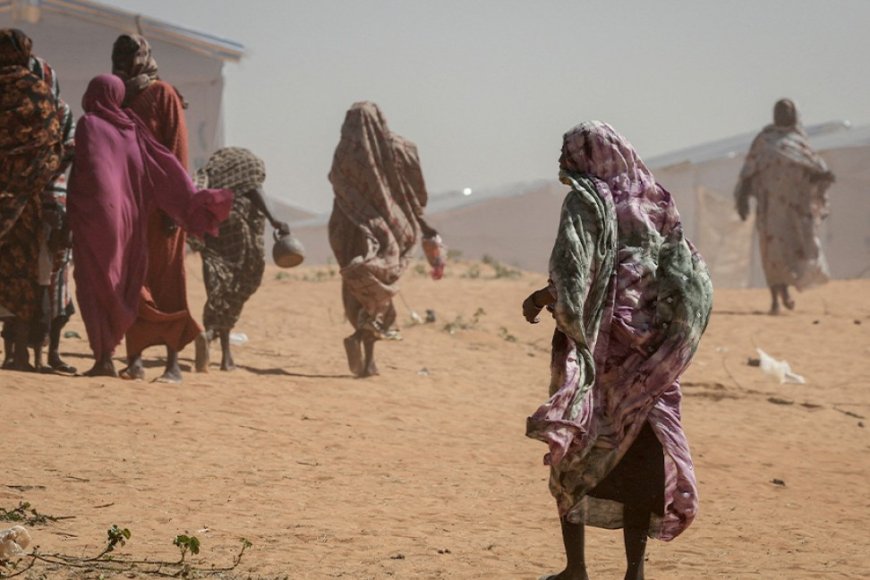
Sudanese refugee women walk through the Tulum refugee camp in Wadi Fira province, eastern Chad, on November 30, 2025, amid the ongoing war between the Sudanese army and the paramilitary Rapid Support Forces (RSF). Photo: UN Human Rights

Sudan War: UN Exposes Mass Sexual Violence Used as Weapon of War

Jun 27, 2026 - 10:21
 0

The United Nations Human Rights has exposed the widespread use of sexual violence as a coordinated weapon of war across Sudan.


The statement, published on June 26, reveals that rape, gang rape, and sexual slavery have become defining features of the nation’s three-year conflict, terrorizing civilians in 16 of the country's 18 states.

The comprehensive investigation covers the period from April 15, 2023, when the current war began, to mid-April 2026.

Over these three years, the UN Human Rights Office verified 546 incidents of conflict-related sexual violence affecting at least 838 victims. While the majority of the victims have been women and girls, men and boys were not safe.

However, UN officials say these verified numbers are just a portion of the actual crisis.

“Yet the true magnitude of this crisis remains obscured by fear, stigma, insecurity and the collapse of essential services,” Li Fung, the UN Human Rights’ Representative in Sudan said.

Fung explained that behind every case is a human being whose life has been permanently altered in Africa’s third-largest nation, which is now gripped by the world’s largest humanitarian crisis.

“Beyond the violence, the consequences last a lifetime and across generations. Victims have lost their lives,” She said. “Survivors live with physical injuries, psychological trauma, unwanted pregnancies, discrimination, family separation and exclusion from their communities.

The report documents that perpetrators span all parties and armed actors involved in the conflict.

These reports of sexual violence have directly accompanied the geographic spread of the war and shifting patterns of civilian displacement.

“We have documented gang rape, sexual slavery, abductions and trafficking, sexual torture in detention, and pregnancies resulting from rape — including among girls,” Fung said.

“Such abhorrent acts have been committed during attacks on villages and towns, in and around IDP camps, during house-to-house searches, at checkpoints and along displacement routes, often in conjunction with other serious violations and abuses,” she added.

The Rights statement cites that UN report outlines systematic patterns of retaliatory attacks and ethnically motivated violence, noting that perpetrators frequently used dehumanizing and insulting language.


During attacks on the Masalit ethnic group, one survivor, according to UN Human Rights, described being told, “if you are Masalit, we will slaughter you today,” before being subjected to gang rape.

In another traumatic account, UN showed that a survivor recalled being told: “You will be our wives,” “You slave,” “You are our women,” and “This year, all of you Masalit girls deliver our children.”

Beyond physical assaults, armed fighters utilized sexual violence for economic and operational support.

“Sexual slavery was also used to generate income and to compel victims to perform domestic and other forms of servitude in support of fighters' daily activities. These violations were frequently committed collectively and in conjunction with other human rights violations,” the report said, cited by UN Human Rights.

The crisis is further worsened by the total breakdown of Sudan's infrastructure.

Many victims suffered severe medical complications, particularly following gang rapes, but could not access timely or adequate healthcare due to non-functioning medical facilities, insecurity, and strict movement restrictions.

The psychological trauma remains a heavy burden for survivors trying to cope with the memories.

Fung recalled survivors’ accounts of the violence, saying, “One survivor told us: ‘I still remember everything. I cannot sleep. I cannot forget.’”

According to the UN, pervasive impunity continues to fuel ongoing violations and abuses across the country.

The report demands independent and impartial investigations in line with international human rights standards, calling for accountability for all perpetrators, including those with command responsibility.

It stresses that no forgiveness should be granted for sexual violence or other international crimes.

Fung urged the international community to make accountability the foundation of all conflict resolution efforts, calling it the only way to break the cycles of violence and allow sustainable peace to take root.

She warned that if these patterns are not addressed through justice and victim-centered support and efforts to tackle stigma and discrimination, Sudan's peace and social cohesion will be undermined for years to come.

Calling for action and on all parties to the conflict to end and prevent sexual violence, Fung said. “Sudan’s survivors have waited too long — for protection, for victim-centred responses, and for justice and reparations.”

Sudan War: UN Exposes Mass Sexual Violence Used as Weapon of War

Jun 27, 2026 - 10:21
Jun 27, 2026 - 11:25
 0
Sudan War: UN Exposes Mass Sexual Violence Used as Weapon of War
Sudanese refugee women walk through the Tulum refugee camp in Wadi Fira province, eastern Chad, on November 30, 2025, amid the ongoing war between the Sudanese army and the paramilitary Rapid Support Forces (RSF). Photo: UN Human Rights

The United Nations Human Rights has exposed the widespread use of sexual violence as a coordinated weapon of war across Sudan.


The statement, published on June 26, reveals that rape, gang rape, and sexual slavery have become defining features of the nation’s three-year conflict, terrorizing civilians in 16 of the country's 18 states.

The comprehensive investigation covers the period from April 15, 2023, when the current war began, to mid-April 2026.

Over these three years, the UN Human Rights Office verified 546 incidents of conflict-related sexual violence affecting at least 838 victims. While the majority of the victims have been women and girls, men and boys were not safe.

However, UN officials say these verified numbers are just a portion of the actual crisis.

“Yet the true magnitude of this crisis remains obscured by fear, stigma, insecurity and the collapse of essential services,” Li Fung, the UN Human Rights’ Representative in Sudan said.

Fung explained that behind every case is a human being whose life has been permanently altered in Africa’s third-largest nation, which is now gripped by the world’s largest humanitarian crisis.

“Beyond the violence, the consequences last a lifetime and across generations. Victims have lost their lives,” She said. “Survivors live with physical injuries, psychological trauma, unwanted pregnancies, discrimination, family separation and exclusion from their communities.

The report documents that perpetrators span all parties and armed actors involved in the conflict.

These reports of sexual violence have directly accompanied the geographic spread of the war and shifting patterns of civilian displacement.

“We have documented gang rape, sexual slavery, abductions and trafficking, sexual torture in detention, and pregnancies resulting from rape — including among girls,” Fung said.

“Such abhorrent acts have been committed during attacks on villages and towns, in and around IDP camps, during house-to-house searches, at checkpoints and along displacement routes, often in conjunction with other serious violations and abuses,” she added.

The Rights statement cites that UN report outlines systematic patterns of retaliatory attacks and ethnically motivated violence, noting that perpetrators frequently used dehumanizing and insulting language.


During attacks on the Masalit ethnic group, one survivor, according to UN Human Rights, described being told, “if you are Masalit, we will slaughter you today,” before being subjected to gang rape.

In another traumatic account, UN showed that a survivor recalled being told: “You will be our wives,” “You slave,” “You are our women,” and “This year, all of you Masalit girls deliver our children.”

Beyond physical assaults, armed fighters utilized sexual violence for economic and operational support.

“Sexual slavery was also used to generate income and to compel victims to perform domestic and other forms of servitude in support of fighters' daily activities. These violations were frequently committed collectively and in conjunction with other human rights violations,” the report said, cited by UN Human Rights.

The crisis is further worsened by the total breakdown of Sudan's infrastructure.

Many victims suffered severe medical complications, particularly following gang rapes, but could not access timely or adequate healthcare due to non-functioning medical facilities, insecurity, and strict movement restrictions.

The psychological trauma remains a heavy burden for survivors trying to cope with the memories.

Fung recalled survivors’ accounts of the violence, saying, “One survivor told us: ‘I still remember everything. I cannot sleep. I cannot forget.’”

According to the UN, pervasive impunity continues to fuel ongoing violations and abuses across the country.

The report demands independent and impartial investigations in line with international human rights standards, calling for accountability for all perpetrators, including those with command responsibility.

It stresses that no forgiveness should be granted for sexual violence or other international crimes.

Fung urged the international community to make accountability the foundation of all conflict resolution efforts, calling it the only way to break the cycles of violence and allow sustainable peace to take root.

She warned that if these patterns are not addressed through justice and victim-centered support and efforts to tackle stigma and discrimination, Sudan's peace and social cohesion will be undermined for years to come.

Calling for action and on all parties to the conflict to end and prevent sexual violence, Fung said. “Sudan’s survivors have waited too long — for protection, for victim-centred responses, and for justice and reparations.”