
US Strikes Iran Following Drone Attack on Cargo Ship

US launches retaliatory strikes against Iran following Thursday drone attack on cargo ship in the Strait of Hormuz. Photo: Courtesy

US Strikes Iran Following Drone Attack on Cargo Ship

Jun 27, 2026 - 08:31
 0

The U.S. military launched airstrikes against southern Iran on Friday, June 26 in retaliation for an Iranian drone strike on a commercial cargo ship in the Strait of Hormuz, crushing a ceasefire signed just last week.


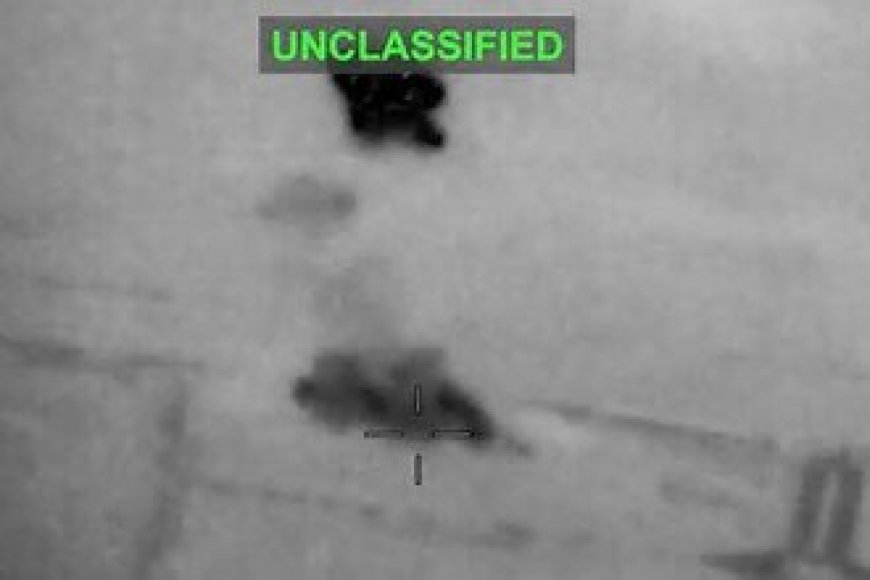
U.S. Central Command deployed aircraft to hit Iranian missile storage locations, drone facilities, and coastal radar sites. The military later released a grainy, black-and-white video of an explosion labeled "unclassified," with officials confirming the operation has concluded.

Washington stated the operation was a direct countermeasure to Thursday’s strike on a commercial vessel traveling near the coast of Oman.

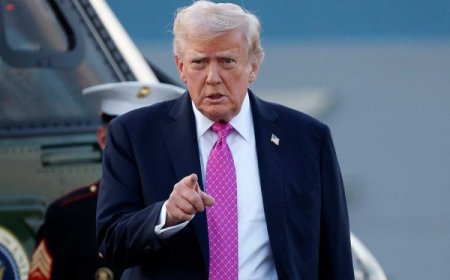
President Donald Trump blamed Tehran for the incident, stating it directly breached the newly interim agreement.

"The unwarranted aggression against commercial shipping by Iranian forces clearly violated the ceasefire," U.S. Central Command said in an official statement, calling the operation "a powerful response to yesterday’s attack on a commercial ship that was transiting the Strait of Hormuz."

Tehran immediately retaliated by ordering its naval forces to target American bases across the Middle East. While Iran did not provide specifics on what assets were hit, the country heavily defended its actions and accused Washington of breaching the truce.

Iran's Revolutionary Guards announced that its navy "struck the locations where the terrorist U.S. military is stationed in the region" and asserted that the ceasefire terms legally gave Iran control over shipping traffic within the strategic waterway.

An unnamed Iranian military source stated that five hours prior to the U.S. airstrike, Iranian forces had fired warning shots from the southern port city of Sirik and launched two warning missiles from the nearby Karpan area at vessels violating maritime regulations. Tehran had previously warned neighboring Gulf states not to side with the U.S.

Vice President JD Vance, the administration's point person on the conflict, strongly defended the American military response on social media, warning Iran that further hostility will face swift consequences.

"Iran signed a ceasefire agreement. We have honored it. If they have disagreements about how the MOU is being applied, they can pick up the phone. But violence will be met with violence," Vance stated on X.

The Revolutionary Guards warned that they are prepared to escalate the conflict further if American operations continue.

"However, the United States, by provoking various fronts, sought to violate this commitment, and the necessary response was given and will continue to be given. If the aggression is repeated, our response will be broader than this," the Revolutionary Guards said.

Despite the heavy exchange of fire, officials in the eastern Hormozgan province reported on Saturday morning that the targeted port of Sirik suffered no structural damage. Facilities and equipment remain fully unbroken, and the port is operating normally.

The U.S. military stated it will continue to provide safe passage coordination and support for commercial ships in the region.

Amid the escalating tension between Washington and Tehran, diplomatic progress was made on a parallel front.

Israel and Lebanon signed a tentative agreement to halt their four-month-old conflict. The deal mandates that Israel withdraw its troops from Lebanon and requires the Iran-backed militant group Hezbollah to disarm. However, enforcement mechanisms remain unclear, and Hezbollah has already announced it will not cooperate with the terms.
US Strikes Iran Following Drone Attack on Cargo Ship

Jun 27, 2026 - 08:31
 0
US Strikes Iran Following Drone Attack on Cargo Ship
US launches retaliatory strikes against Iran following Thursday drone attack on cargo ship in the Strait of Hormuz. Photo: Courtesy

The U.S. military launched airstrikes against southern Iran on Friday, June 26 in retaliation for an Iranian drone strike on a commercial cargo ship in the Strait of Hormuz, crushing a ceasefire signed just last week.


U.S. Central Command deployed aircraft to hit Iranian missile storage locations, drone facilities, and coastal radar sites. The military later released a grainy, black-and-white video of an explosion labeled "unclassified," with officials confirming the operation has concluded.

Washington stated the operation was a direct countermeasure to Thursday’s strike on a commercial vessel traveling near the coast of Oman.

President Donald Trump blamed Tehran for the incident, stating it directly breached the newly interim agreement.

"The unwarranted aggression against commercial shipping by Iranian forces clearly violated the ceasefire," U.S. Central Command said in an official statement, calling the operation "a powerful response to yesterday’s attack on a commercial ship that was transiting the Strait of Hormuz."

Tehran immediately retaliated by ordering its naval forces to target American bases across the Middle East. While Iran did not provide specifics on what assets were hit, the country heavily defended its actions and accused Washington of breaching the truce.

Iran's Revolutionary Guards announced that its navy "struck the locations where the terrorist U.S. military is stationed in the region" and asserted that the ceasefire terms legally gave Iran control over shipping traffic within the strategic waterway.

An unnamed Iranian military source stated that five hours prior to the U.S. airstrike, Iranian forces had fired warning shots from the southern port city of Sirik and launched two warning missiles from the nearby Karpan area at vessels violating maritime regulations. Tehran had previously warned neighboring Gulf states not to side with the U.S.

Vice President JD Vance, the administration's point person on the conflict, strongly defended the American military response on social media, warning Iran that further hostility will face swift consequences.

"Iran signed a ceasefire agreement. We have honored it. If they have disagreements about how the MOU is being applied, they can pick up the phone. But violence will be met with violence," Vance stated on X.

The Revolutionary Guards warned that they are prepared to escalate the conflict further if American operations continue.

"However, the United States, by provoking various fronts, sought to violate this commitment, and the necessary response was given and will continue to be given. If the aggression is repeated, our response will be broader than this," the Revolutionary Guards said.

Despite the heavy exchange of fire, officials in the eastern Hormozgan province reported on Saturday morning that the targeted port of Sirik suffered no structural damage. Facilities and equipment remain fully unbroken, and the port is operating normally.

The U.S. military stated it will continue to provide safe passage coordination and support for commercial ships in the region.

Amid the escalating tension between Washington and Tehran, diplomatic progress was made on a parallel front.

Israel and Lebanon signed a tentative agreement to halt their four-month-old conflict. The deal mandates that Israel withdraw its troops from Lebanon and requires the Iran-backed militant group Hezbollah to disarm. However, enforcement mechanisms remain unclear, and Hezbollah has already announced it will not cooperate with the terms.