 English
 Kinyarwanda

US and Iran Agree to End War, Reopen Strait of Hormuz

The United States and Iran have reached a preliminary agreement to end their military conflict, lift the American maritime blockade, and reopen the strategic Strait of Hormuz, officials announced on June 14.
The surprise pact, mediated by Pakistan, takes effect with a permanent ceasefire on Monday night (June 15), though it delays final decisions on Iran's nuclear program.
The preliminary memorandum of understanding (MoU) is scheduled to be officially signed this Friday in Switzerland.
The announcement immediately impacted global markets, sending oil prices dropping with Brent crude futures down 4 percent and U.S. West Texas Intermediate dropping over 4.6 percent in early Monday trading, while Asian stock markets jumped.
U.S. President Donald Trump announced the breakthrough on social media on Sunday evening, shortly after Pakistani Prime Minister Shehbaz Sharif confirmed the successful mediation.
"The Deal with the Islamic Republic of Iran is now complete," Trump wrote on his Truth Social platform around 5:30 p.m. ET.
While the precise terms remain unreleased, Prime Minister Sharif stated on X that the pact demanded "the immediate and permanent termination of military operations on all fronts, including in Lebanon."
The secretariat of Iran's Supreme National Security Council confirmed all military operations would permanently stop on Monday night.
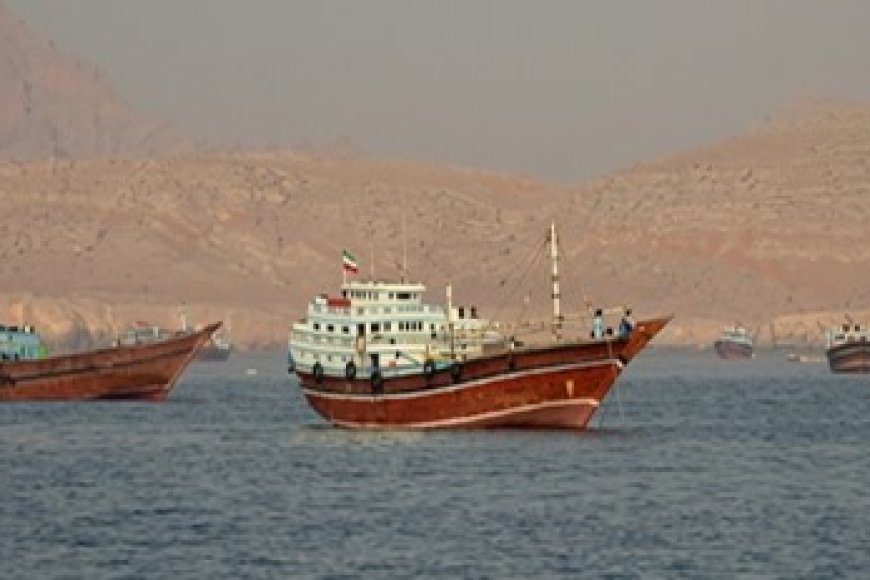
Securing global energy shipping routes was a primary focus of the initial deal.
Trump confirmed the vital oil transit corridor would reopen at the end of the week, writing, "Ships of the World, start your engines. Let the oil flow!"
Broader issues will be pushed to future negotiations.
Iran's Deputy Foreign Minister Kazem Gharibabadi stated that a more expansive agreement, including sanctions relief, would be negotiated during an upcoming 60-day ceasefire period.
Sources noted that the contentious fate of Iran's nuclear program will also be handled during those talks.
Prior to the official announcement, an Iranian official told Reuters that the draft agreement requires the U.S. to release $25 billion in frozen Iranian assets, with Iran diluting its enriched uranium domestically.
Conversely, a U.S. official stated the final agreement would mandate the complete dismantling of the program, with its stockpile of highly enriched uranium destroyed and removed.
The conflict has taken a massive human and economic toll since U.S. and Israeli forces launched initial strikes on Iran on February 28, resulting in thousands of deaths primarily in Iran and Lebanon. Iran responded by striking Israel and Gulf states hosting U.S. bases, while initiating the blockade that drove up global energy prices.