 English
 Kinyarwanda

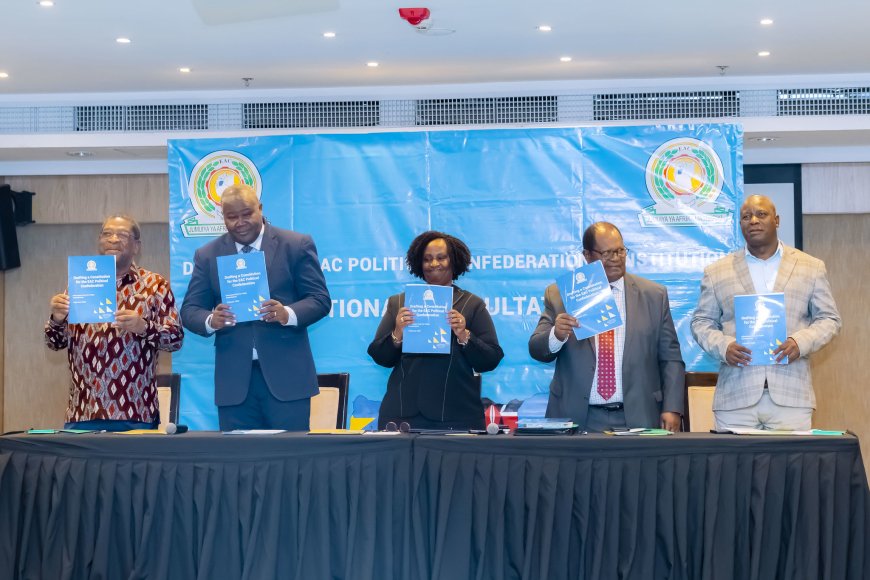
EAC Starts Public Talks in Rwanda to Draft Political Confederation Constitution

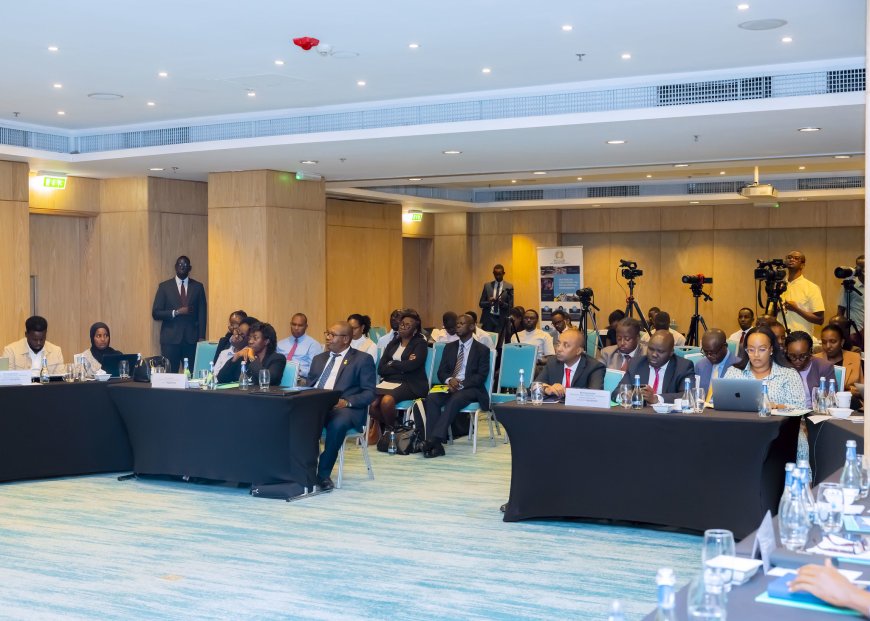
The East African Community (EAC) has launched national stakeholders’ consultations in Rwanda on Monday, June 15, to gather citizen views for drafting the constitution of the proposed East African Political Confederation.
The nationwide exercise will hit the ground in Rubavu, Huye, and Nyagatare before concluding on June 27.
The initiative aims to build a transitional framework for closer regional cooperation in governance, peace, security, and foreign policy, while ensuring partner states still keep their independent sovereignty.
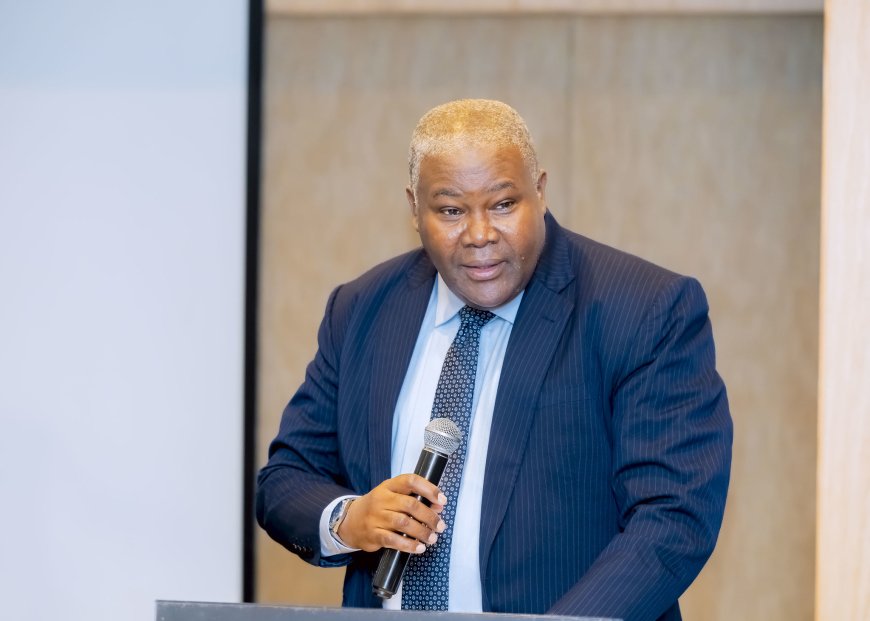
Speaking at the launch, EAC Secretary General Stephen Mbundi emphasized that the public must drive this process.
“The Treaty for the establishment of EAC is clear that the Community is people-centred, and in that regard all citizens need to be consulted when we are about to make a very major decision on our integration,” Mbundi said.
The political confederation agenda dates back to 2017, when EAC Heads of State adopted it as a transitional model toward a long-term Political Federation of East African States.
The initiative is anchored in Article 123 of the EAC Treaty, which guides regional integration progressively through a Customs Union, Common Market, and Monetary Union.
“We are now undertaking the fourth pillar of EAC integration, political integration, which seeks to provide a clear framework for governance under the Political Confederation or eventual Federation.” Mbundi added.
Mbundi noted that previous expert committees were set up to handle citizens' anxieties and expectations regarding a unified region.
“Before we move forward, it is better we assess whether those fears are still there,” he said.
Rwanda is the fourth country to host these sessions, following successfully completed consultations in Burundi, Uganda, and Kenya.
Rwanda's Minister of State for Foreign Affairs, Usta Kayitesi, stated that visible milestones in trade, investment, and free movement have already laid a strong foundation for this next step.
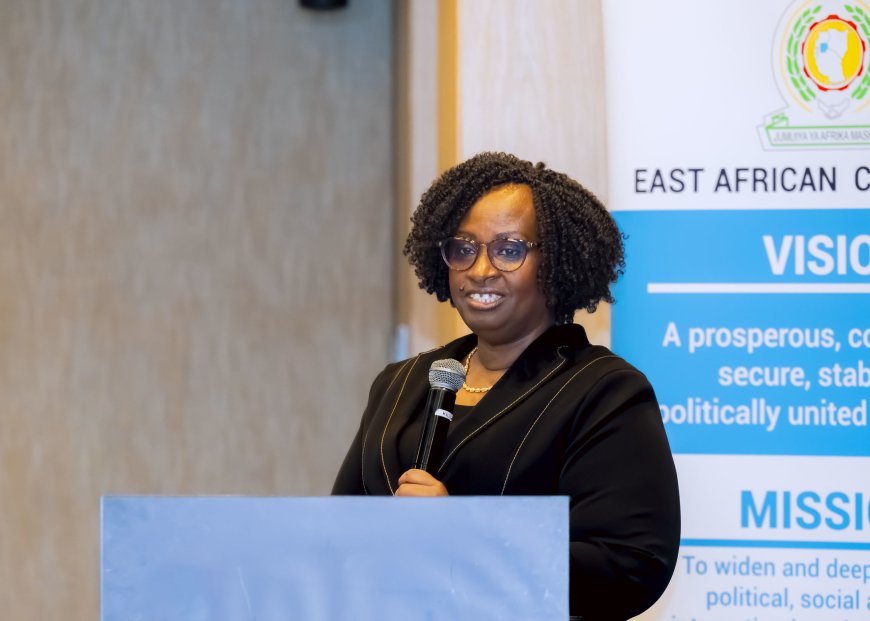
“The vision of a Political Confederation reflects the desire of East Africans to deepen cooperation and build institutions capable of advancing peace, security, economic transformation, and sustainable development across our region.” Kayitesi said.
The minister stressed that the bloc’s future relies directly on grassroots participation, urging youth, women, entrepreneurs, farmers, academics, religious leaders, civil society, the media, and persons with disabilities to speak out.
“The future of our region cannot be shaped by governments alone. It must be informed by the views, aspirations, and expectations of the citizens whose lives will be shaped by the decisions we make,” Kayitesi added.
Kayitesi concluded by emphasizing that deeper integration will expand opportunities for local businesses and young people while boosting the region's global influence.
“Whether we consider trade and investment, infrastructure development, technological innovation, climate resilience, public health or regional security, cooperation provides a stronger foundation for progress than working in isolation.”