
US, Iran Exchange Air Strikes as New Ceasefire Collapses

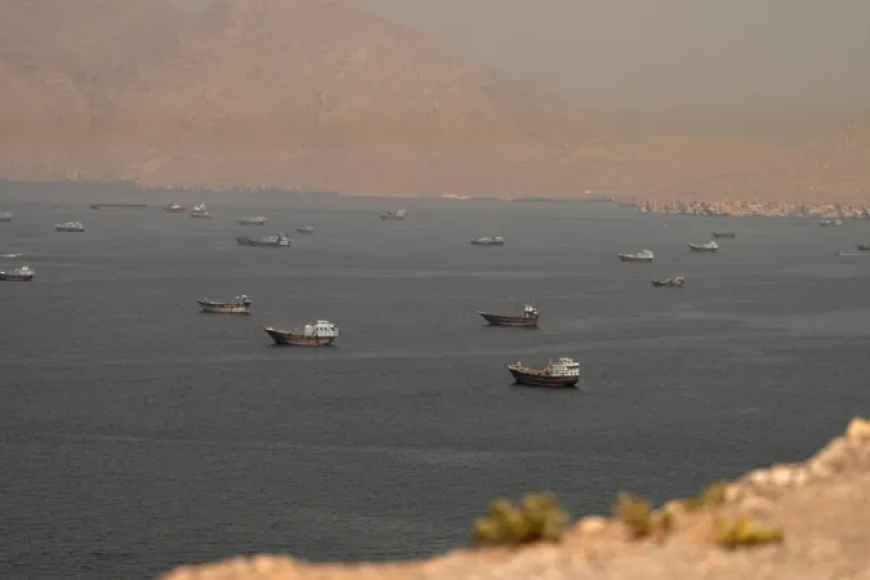
Commercial vessels navigate the Strait of Hormuz.

US, Iran Exchange Air Strikes as New Ceasefire Collapses

Jun 28, 2026 - 10:55
 0

The United States and Iran launched air strikes against each other on Saturday, June 27 breaking a new ceasefire agreement after an Iranian drone hit a commercial ship in the Strait of Hormuz.


An Iranian attack drone struck the MT Kiku, a Panama-flagged tanker. In response, US fighter jets bombed 10 Iranian military targets, including drone storage sites, air defense systems, and communication equipment.

Centcom said in a statement, "Iran was given a chance to honor the ceasefire agreement but elected not to when its forces launched a one-way attack drone that hit MT Kiku,"

Iran's Islamic Revolutionary Guard Corps (IRGC) quickly retaliated. The group fired missiles and drones at US military bases in neighboring Kuwait and Bahrain.

The IRGC said the US first attacked five of its coastal posts under "the pretext of the IRGC Navy confronting the offending ship".

In return, the IRGC said it hit "eight key pieces of infrastructure" at the Ali al-Salem base in Kuwait and the Fifth Naval Fleet in Port Salman, Bahrain, "destroying them".

A US official told Reuters there were no reported US casualties or major damage to US facilities in the Middle East.

However, the Iranian attacks forced Kuwait and Bahrain to turn on their air defense systems to block the incoming fire.

"Kuwaiti air defenses are currently confronting hostile missile and drone attacks," the Kuwaiti Armed Forces said in a statement on X. Bahrain's Ministry of Interior told its citizens to "remain calm and head to the nearest safe place".

The violence ruins the peace deal signed by both nations earlier this month. The IRGC warned the US strikes "will lead to a complete halt to the process".

"Any potential enemy aggression, under any pretext, even if the aggressions are against minor targets, as happened last night and tonight, will have a crushing response," the IRGC statement read.

Iran's Foreign Ministry also condemned the "brutal attacks". They said it shows the US "does not place the slightest value and credibility on its commitments, and breaking promises is part of its nature."

Donald Trump posted a warning on Truth Social on Saturday evening. He wrote that it was "very possible" that Tehran would "never learn".

"There may come a point when we are no longer able to be reasonable, and will be forced to militarily complete the job that we very successfully started," Trump wrote. He added: "If that happens, the Islamic Republic of Iran will no longer exist!"

This is the second day of open fighting in the region. Less than 24 hours earlier, the US launched separate strikes after a June 25 drone attack on a Singapore-flagged cargo ship, the MV Ever Lovely.

Centcom reported that commercial ships are still moving through the Strait of Hormuz despite the attacks.


US, Iran Exchange Air Strikes as New Ceasefire Collapses

Jun 28, 2026 - 10:55
 0
US, Iran Exchange Air Strikes as New Ceasefire Collapses
Commercial vessels navigate the Strait of Hormuz.

The United States and Iran launched air strikes against each other on Saturday, June 27 breaking a new ceasefire agreement after an Iranian drone hit a commercial ship in the Strait of Hormuz.


An Iranian attack drone struck the MT Kiku, a Panama-flagged tanker. In response, US fighter jets bombed 10 Iranian military targets, including drone storage sites, air defense systems, and communication equipment.

Centcom said in a statement, "Iran was given a chance to honor the ceasefire agreement but elected not to when its forces launched a one-way attack drone that hit MT Kiku,"

Iran's Islamic Revolutionary Guard Corps (IRGC) quickly retaliated. The group fired missiles and drones at US military bases in neighboring Kuwait and Bahrain.

The IRGC said the US first attacked five of its coastal posts under "the pretext of the IRGC Navy confronting the offending ship".

In return, the IRGC said it hit "eight key pieces of infrastructure" at the Ali al-Salem base in Kuwait and the Fifth Naval Fleet in Port Salman, Bahrain, "destroying them".

A US official told Reuters there were no reported US casualties or major damage to US facilities in the Middle East.

However, the Iranian attacks forced Kuwait and Bahrain to turn on their air defense systems to block the incoming fire.

"Kuwaiti air defenses are currently confronting hostile missile and drone attacks," the Kuwaiti Armed Forces said in a statement on X. Bahrain's Ministry of Interior told its citizens to "remain calm and head to the nearest safe place".

The violence ruins the peace deal signed by both nations earlier this month. The IRGC warned the US strikes "will lead to a complete halt to the process".

"Any potential enemy aggression, under any pretext, even if the aggressions are against minor targets, as happened last night and tonight, will have a crushing response," the IRGC statement read.

Iran's Foreign Ministry also condemned the "brutal attacks". They said it shows the US "does not place the slightest value and credibility on its commitments, and breaking promises is part of its nature."

Donald Trump posted a warning on Truth Social on Saturday evening. He wrote that it was "very possible" that Tehran would "never learn".

"There may come a point when we are no longer able to be reasonable, and will be forced to militarily complete the job that we very successfully started," Trump wrote. He added: "If that happens, the Islamic Republic of Iran will no longer exist!"

This is the second day of open fighting in the region. Less than 24 hours earlier, the US launched separate strikes after a June 25 drone attack on a Singapore-flagged cargo ship, the MV Ever Lovely.

Centcom reported that commercial ships are still moving through the Strait of Hormuz despite the attacks.