
US Pauses Strikes on Iran to Give Diplomacy More Time, Ambassador Says

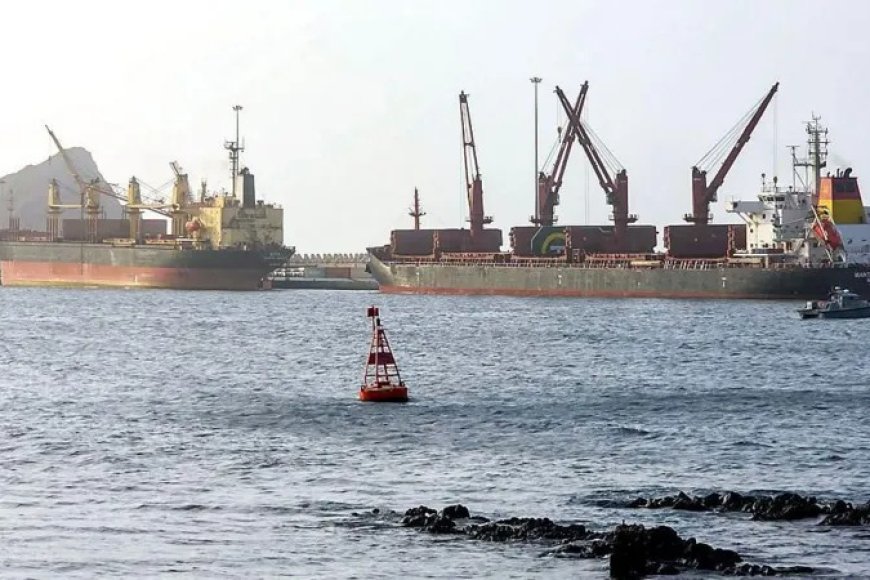
Off the coast of Muscat, Oman, an oil tanker sat attached near the Strait of Hormuz. Photo: AFP via Getty Images

US Pauses Strikes on Iran to Give Diplomacy More Time, Ambassador Says

Jul 26, 2026 - 21:57
 0

United States (US) President Donald Trump paused attacks on Iran for a second consecutive night on Sunday, July 26, to allow more time for diplomatic efforts, US Ambassador to the United Nations Mike Waltz said.


Speaking to Fox News on Sunday, Waltz said the president was "giving talks some space, he's giving it a little bit of room".

An Iranian army spokesperson said that Tehran had stopped "retaliatory" attacks in the region in response.

The pause followed nearly two weeks of daily US airstrikes and retaliatory attacks between the two countries, effectively ending the ceasefire reached in June.

Asked whether Trump had decided against further escalation, Waltz told NBC: "I wouldn't go that far at all. The president is keeping all options on the table."

Waltz also rejected a report by The New York Times that administration officials had warned an expansion of the conflict could dangerously reduce US air defence weaponries.

“The US military... has everything that it needs to conduct this campaign as effectively as it needs to be,” he said.

Meanwhile, Iran and Oman held several rounds of technical talks in Tehran on Friday and Saturday to discuss management of the Strait of Hormuz, according to Iranian Foreign Ministry spokesperson Esmail Baghaei.

Disputes over control of the strait reignited tensions between the United States and Iran earlier this month and remained a major obstacle to permanently ending the war.

Iran and the United States signed a memorandum of understanding in June to halt military operations, reopen the Strait of Hormuz and work toward a permanent agreement to end the war within 60 days.

Official figures showed that thousands of people had been killed across the Middle East since the US-Israeli war with Iran began in February, with most of the deaths occurring in Iran and Lebanon.
US Pauses Strikes on Iran to Give Diplomacy More Time, Ambassador Says

Jul 26, 2026 - 21:57
Jul 26, 2026 - 21:58
 0
US Pauses Strikes on Iran to Give Diplomacy More Time, Ambassador Says
Off the coast of Muscat, Oman, an oil tanker sat attached near the Strait of Hormuz. Photo: AFP via Getty Images

United States (US) President Donald Trump paused attacks on Iran for a second consecutive night on Sunday, July 26, to allow more time for diplomatic efforts, US Ambassador to the United Nations Mike Waltz said.


Speaking to Fox News on Sunday, Waltz said the president was "giving talks some space, he's giving it a little bit of room".

An Iranian army spokesperson said that Tehran had stopped "retaliatory" attacks in the region in response.

The pause followed nearly two weeks of daily US airstrikes and retaliatory attacks between the two countries, effectively ending the ceasefire reached in June.

Asked whether Trump had decided against further escalation, Waltz told NBC: "I wouldn't go that far at all. The president is keeping all options on the table."

Waltz also rejected a report by The New York Times that administration officials had warned an expansion of the conflict could dangerously reduce US air defence weaponries.

“The US military... has everything that it needs to conduct this campaign as effectively as it needs to be,” he said.

Meanwhile, Iran and Oman held several rounds of technical talks in Tehran on Friday and Saturday to discuss management of the Strait of Hormuz, according to Iranian Foreign Ministry spokesperson Esmail Baghaei.

Disputes over control of the strait reignited tensions between the United States and Iran earlier this month and remained a major obstacle to permanently ending the war.

Iran and the United States signed a memorandum of understanding in June to halt military operations, reopen the Strait of Hormuz and work toward a permanent agreement to end the war within 60 days.

Official figures showed that thousands of people had been killed across the Middle East since the US-Israeli war with Iran began in February, with most of the deaths occurring in Iran and Lebanon.