
US–Israel–Iran War Risks Uncontrollable Escalation, Warns International Crisis Group
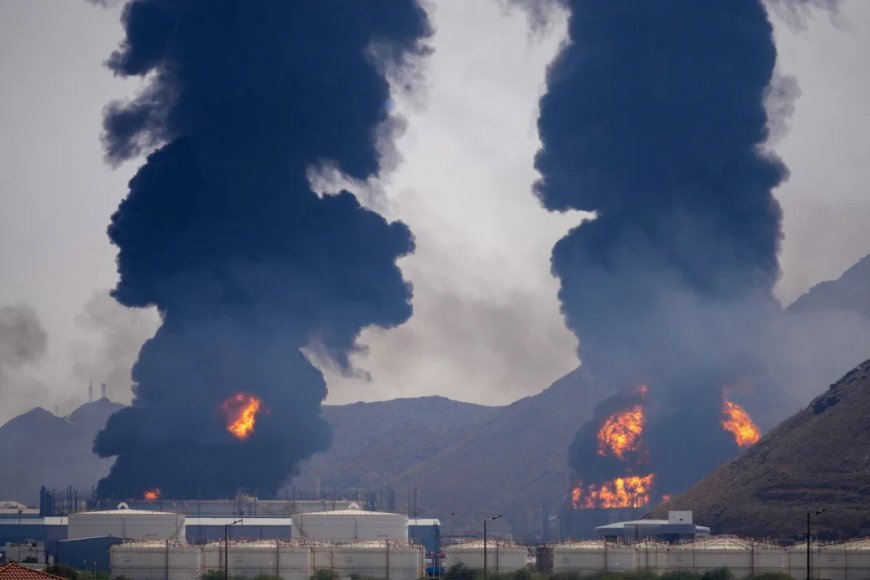
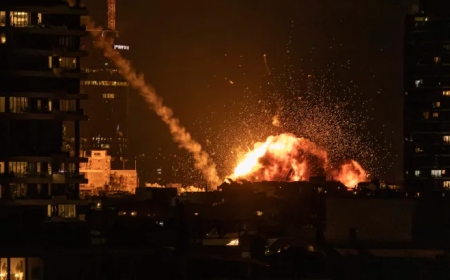
Photo: AP via The Economist.

US–Israel–Iran War Risks Uncontrollable Escalation, Warns International Crisis Group

Mar 17, 2026 - 16:02
 0

As the war between the United States, Israel and Iran intensifies, the International Crisis Group is warning that the conflict is rapidly moving toward a dangerous and potentially uncontrollable phase, with civilians, regional stability and the global economy all at risk.


In a stark new analysis, the organisation argues that while recent U.S. and Israeli military operations have inflicted significant damage on Iran’s military and nuclear infrastructure, they have failed to deliver a decisive strategic victory. Instead, the conflict has widened, with Iran retaliating across the region and beyond, raising the spectre of a prolonged and deeply destabilising war.

“The escalation risks are sobering,” the Crisis Group notes, warning that without urgent diplomatic intervention, the situation could deteriorate further. Its message is clear: an immediate ceasefire is no longer optional, it is essential.

A war without winners

The current escalation follows an earlier, short-lived conflict in mid-2025 that ended without resolving core tensions. Despite claims from Washington and Israel that Iran’s nuclear and missile capabilities had been severely degraded, fears quickly resurfaced about Tehran’s ability to rebuild and resume its programs.

By early 2026, those fears, combined with failed diplomatic talks and rising regional tensions, culminated in a renewed military campaign. The U.S. and Israel launched extensive strikes targeting Iranian nuclear facilities, missile sites and security institutions, even killing senior leadership figures. But rather than collapsing, Iran adapted.

According to the Crisis Group, Tehran has shifted into a strategy of attrition, one that plays to its strengths. Unable to match U.S. and Israeli firepower directly, it has expanded the battlefield, targeting not only its adversaries but also their allies across the Gulf. Missile and drone attacks on infrastructure, combined with disruptions to shipping through the critical Strait of Hormuz, have sent shockwaves through global energy markets.

What has emerged is not a quick, decisive war, but a grinding confrontation with no clear end.

As always, the human cost is mounting.

Inside Iran, continued strikes risk deepening an already fragile humanitarian situation. Years of economic hardship, sanctions and environmental stress have left many communities vulnerable. The Crisis Group warns that further attacks on critical infrastructure, including electricity, oil and water facilities, could dramatically worsen living conditions for ordinary Iranians.

“Each passing day of conflict means greater destruction, mounting fatalities,” the report notes, highlighting the growing toll on civilians.

Beyond Iran’s borders, the consequences are equally severe. Countries across the Gulf, many of which had sought to avoid the conflict, have found themselves under fire, with civilian infrastructure targeted and economies disrupted.

For millions of people across the region, daily life has been upended by uncertainty, rising prices and the constant fear of escalation.

A global ripple effect

The war’s impact is no longer confined to the Middle East.

The Crisis Group points to widening global consequences, from surging energy prices in Europe and Asia to disruptions in vital supply chains. The near closure of the Strait of Hormuz, a key artery for global oil shipments, has intensified fears of a broader economic shock.

There are also growing concerns about further escalation. Armed groups aligned with Iran have open new fronts, including in Lebanon, while maritime chokepoints such as the Bab al-Mandab Strait risk becoming flashpoints. Isarel has also opened a new front in Lebanon, affecting more civilians.

The report warns of a cascade of potential crises: refugee flows, renewed terrorism, internal unrest and even wider geopolitical fractures involving major powers.

A narrow path to de-escalation

Despite the grim outlook, the Crisis Group argues that a way out still exists, if all sides act quickly.

Importantly, it suggests that each party could plausibly claim a form of victory. The U.S. and Israel can point to the damage inflicted on Iran’s military capabilities, while Iran can argue it has survived a major assault and demonstrated its resilience.

This creates a rare window for de-escalation. “Better to end it immediately, step back from the brink,” the organisation urges, stressing that prolonging the war will only deepen losses without delivering meaningful gains.

However, achieving a ceasefire will not be easy. Mistrust runs deep, and both sides fear that halting now could leave them vulnerable to future attacks. Iran, in particular, is seeking guarantees against renewed offensives, while continuing to believe that a longer اwar may strengthen its bargaining position.

The Crisis Group places significant responsibility on third-party actors to push for a ceasefire.

Regional powers, particularly in the Gulf, have the most at stake economically and politically, though they remain cautious while under threat. Other influential countries, including China and India, may also play a role, given their reliance on stable energy supplies.

Ultimately, the report argues, what matters most is not the form of an agreement but its substance: a complete halt to hostilities by all sides, including allied armed groups.

“The shooting must stop,” it states plainly.

Beyond the ceasefire

Even if a ceasefire is achieved, the underlying issues that fueled the conflict will remain unresolved.

Questions surrounding Iran’s nuclear ambitions, its regional alliances, U.S. military presence in the Middle East and Israel’s security strategy will continue to loom large. There are also deeper uncertainties about Iran’s internal direction, whether it will pursue reform or double down on repression.

These are complex challenges that cannot be solved overnight. But, as the Crisis Group emphasises, they cannot be addressed in the midst of an escalating war.

For now, the priority is simple — and urgent. End the fighting, create space for diplomacy and prevent a crisis that is already devastating from becoming catastrophic.
 

US–Israel–Iran War Risks Uncontrollable Escalation, Warns International Crisis Group

Mar 17, 2026 - 16:02
 0
US–Israel–Iran War Risks Uncontrollable Escalation, Warns International Crisis Group
Photo: AP via The Economist.

As the war between the United States, Israel and Iran intensifies, the International Crisis Group is warning that the conflict is rapidly moving toward a dangerous and potentially uncontrollable phase, with civilians, regional stability and the global economy all at risk.


In a stark new analysis, the organisation argues that while recent U.S. and Israeli military operations have inflicted significant damage on Iran’s military and nuclear infrastructure, they have failed to deliver a decisive strategic victory. Instead, the conflict has widened, with Iran retaliating across the region and beyond, raising the spectre of a prolonged and deeply destabilising war.

“The escalation risks are sobering,” the Crisis Group notes, warning that without urgent diplomatic intervention, the situation could deteriorate further. Its message is clear: an immediate ceasefire is no longer optional, it is essential.

A war without winners

The current escalation follows an earlier, short-lived conflict in mid-2025 that ended without resolving core tensions. Despite claims from Washington and Israel that Iran’s nuclear and missile capabilities had been severely degraded, fears quickly resurfaced about Tehran’s ability to rebuild and resume its programs.

By early 2026, those fears, combined with failed diplomatic talks and rising regional tensions, culminated in a renewed military campaign. The U.S. and Israel launched extensive strikes targeting Iranian nuclear facilities, missile sites and security institutions, even killing senior leadership figures. But rather than collapsing, Iran adapted.

According to the Crisis Group, Tehran has shifted into a strategy of attrition, one that plays to its strengths. Unable to match U.S. and Israeli firepower directly, it has expanded the battlefield, targeting not only its adversaries but also their allies across the Gulf. Missile and drone attacks on infrastructure, combined with disruptions to shipping through the critical Strait of Hormuz, have sent shockwaves through global energy markets.

What has emerged is not a quick, decisive war, but a grinding confrontation with no clear end.

As always, the human cost is mounting.

Inside Iran, continued strikes risk deepening an already fragile humanitarian situation. Years of economic hardship, sanctions and environmental stress have left many communities vulnerable. The Crisis Group warns that further attacks on critical infrastructure, including electricity, oil and water facilities, could dramatically worsen living conditions for ordinary Iranians.

“Each passing day of conflict means greater destruction, mounting fatalities,” the report notes, highlighting the growing toll on civilians.

Beyond Iran’s borders, the consequences are equally severe. Countries across the Gulf, many of which had sought to avoid the conflict, have found themselves under fire, with civilian infrastructure targeted and economies disrupted.

For millions of people across the region, daily life has been upended by uncertainty, rising prices and the constant fear of escalation.

A global ripple effect

The war’s impact is no longer confined to the Middle East.

The Crisis Group points to widening global consequences, from surging energy prices in Europe and Asia to disruptions in vital supply chains. The near closure of the Strait of Hormuz, a key artery for global oil shipments, has intensified fears of a broader economic shock.

There are also growing concerns about further escalation. Armed groups aligned with Iran have open new fronts, including in Lebanon, while maritime chokepoints such as the Bab al-Mandab Strait risk becoming flashpoints. Isarel has also opened a new front in Lebanon, affecting more civilians.

The report warns of a cascade of potential crises: refugee flows, renewed terrorism, internal unrest and even wider geopolitical fractures involving major powers.

A narrow path to de-escalation

Despite the grim outlook, the Crisis Group argues that a way out still exists, if all sides act quickly.

Importantly, it suggests that each party could plausibly claim a form of victory. The U.S. and Israel can point to the damage inflicted on Iran’s military capabilities, while Iran can argue it has survived a major assault and demonstrated its resilience.

This creates a rare window for de-escalation. “Better to end it immediately, step back from the brink,” the organisation urges, stressing that prolonging the war will only deepen losses without delivering meaningful gains.

However, achieving a ceasefire will not be easy. Mistrust runs deep, and both sides fear that halting now could leave them vulnerable to future attacks. Iran, in particular, is seeking guarantees against renewed offensives, while continuing to believe that a longer اwar may strengthen its bargaining position.

The Crisis Group places significant responsibility on third-party actors to push for a ceasefire.

Regional powers, particularly in the Gulf, have the most at stake economically and politically, though they remain cautious while under threat. Other influential countries, including China and India, may also play a role, given their reliance on stable energy supplies.

Ultimately, the report argues, what matters most is not the form of an agreement but its substance: a complete halt to hostilities by all sides, including allied armed groups.

“The shooting must stop,” it states plainly.

Beyond the ceasefire

Even if a ceasefire is achieved, the underlying issues that fueled the conflict will remain unresolved.

Questions surrounding Iran’s nuclear ambitions, its regional alliances, U.S. military presence in the Middle East and Israel’s security strategy will continue to loom large. There are also deeper uncertainties about Iran’s internal direction, whether it will pursue reform or double down on repression.

These are complex challenges that cannot be solved overnight. But, as the Crisis Group emphasises, they cannot be addressed in the midst of an escalating war.

For now, the priority is simple — and urgent. End the fighting, create space for diplomacy and prevent a crisis that is already devastating from becoming catastrophic.