 English
 Kinyarwanda
Why adopting peace journalism to reframe conflict reporting matters-CAR journalists
Thirty journalists from the Réseau des Journalistes pour les Droits de l’Homme (RJDH) in the Central African Republic (CAR) have completed a study aimed at transforming how conflict is reported in the country.
The research project, titled “Building Capacity for Peace Journalism,” took place between October 2025 and January 2026. It focused on reporters based in Bangui and regional bureaus who deal daily with the country’s fragile media landscape and recurring cycles of violence.
Researchers Alain Yvon Kabeya and Dumisani Ngwenya led the study to address gaps in conflict-sensitive reporting.
The research highlights that “peace journalism emerges as both a theoretical framework and practical approach for media professionals seeking to contribute constructively to conflict transformation.”
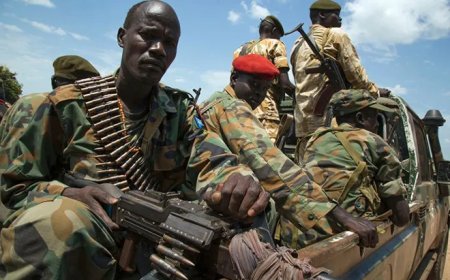
In CAR, according to the study, journalists often face significant security risks and limited resources. These pressures can lead to conventional “war journalism” that focuses only on violence and the perspectives of elites.
They note that Galtung’s work established a framework contrasting this style with “peace journalism’s focus on conflict, truth, people, and solutions.”
To change this, the 30 participants engaged in cycles of planning, acting, and reflecting. The group included a mix of recent graduates and veteran reporters with over two decades of experience.
Findings on reporting habits
Initial data collection showed that while RJDH journalists were committed to ethics, “gaps in peace journalism implementation remain.”
The researchers found that many reports initially relied on “zero-sum framings” that obscured the underlying causes of conflict. By focusing on victory or violence alone, these stories missed the chance to highlight peace processes.
Through the intervention of training and mentorship, the participants reported visible changes in their daily work.
Evidence from news articles and editorials showed “better source diversity and community-focused narratives” after the training sessions.
Barriers to change
The transition to peace-centered reporting is not without difficulty. Reporters identified several “structural barriers like editorial pressure and political constraints” that hinder their progress.
Security threats and weak regulatory frameworks also make it hard for journalists to maintain a nuanced, peace-oriented perspective.
The study found that even when a journalist has the skills to report differently, the “political economy of media systems” often favors sensationalism over careful analysis.
“While participatory approaches address individual capacity gaps, sustainable transformation requires institutional reforms,” the study states.
Promoting long-term peace
The discussion section of the research project emphasizes that peace journalism is more than just a technique. It is a “consciousness-raising practice” that enables journalists to examine their role in either perpetuating or challenging violence.
The researchers argue that in a post-conflict society, the media has a dual role. It can either exacerbate tensions or contribute to sustainable peace.
For the RJDH network, this means moving toward “conflict-sensitive language” and paying closer attention to structural factors that drive fighting.
The study says that promoting peace journalism requires addressing multiple levels at once. This includes individual skills, newsroom cultures, and broader political structures.
A new standard for fragile contexts
The study provides new insights for building journalism capacity in other fragile contexts worldwide.
The authors conclude that successful promotion of these principles must combine “consciousness transformation with efforts to change organizational cultures and systemic constraints.”
By focusing on “inclusive narratives that give voice to marginalized communities,” the journalists involved in this study are now working to ensure their reporting supports reconciliation rather than division.