
How interfaith Iftar, Lent gatherings strengthen peace in Nigeria

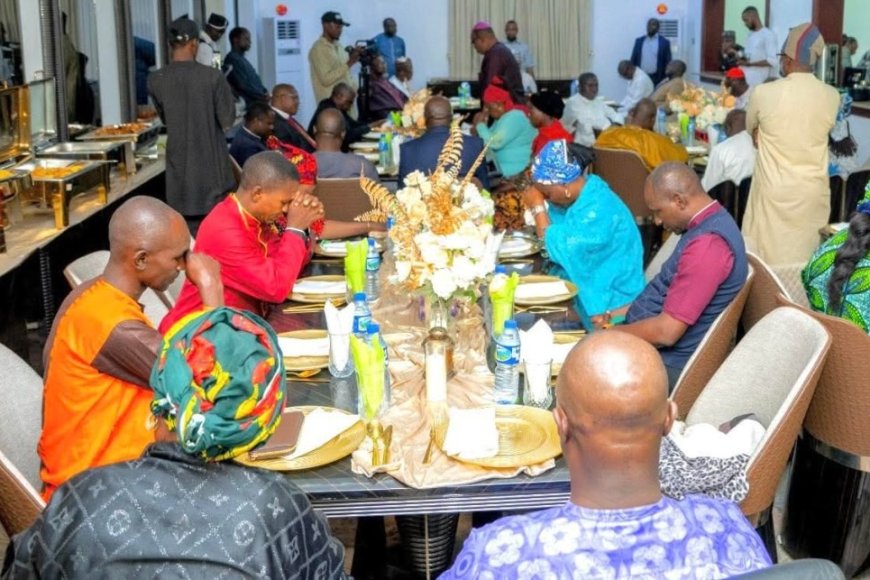
Kaduna State Governor Senator Uba Sani in a group photo with Christians Leaders after Ramadan Iftar. Photo by Government House.

How interfaith Iftar, Lent gatherings strengthen peace in Nigeria

Mar 24, 2026 - 13:46
 0

Muslim and Christian leaders across Nigeria are utilising the rare overlap of Ramadan and Lent to strengthen national unity and community peace.


Ramadan represents the ninth and sacred month of the Islamic calendar. It is a period defined by daily fasting, deep spiritual reflection, and communal prayer, marking the time when the Quran was first revealed to the Prophet Muhammad. While the Christian tradition observes Lent, a 40-day season focused on prayer, fasting, and acts of charity.

Throughout February and March 2026, religious heads in several states have organized joint prayer sessions, shared meals, and charitable activities to support those in need.

The collaboration comes at a critical time as the country works to address ongoing security challenges and social tensions.

By meeting during these holy seasons, leaders from both faiths aim to build practical trust between their millions of followers.

In cities like Kaduna, the movement has seen pastors and imams breaking the daily fast together and coordinating food distributions for the vulnerable.

These efforts are part of a broader strategy to ensure that religious diversity remains a source of strength rather than a cause of division, providing a clear example of interfaith cooperation for the region.

One of the major interfaith gatherings took place in the northern city of Kaduna during an annual interfaith Iftar on February 27, 2026. The event was hosted at the residence of the late Islamic scholar, Sheikh Dahiru Usman Bauchi, continuing a long-standing tradition of bringing Muslim and Christian leaders together to discuss community issues.

The gathering was led by former Minister of Youth and Sports Solomon Dalung, according to Newpeace.com, he noted that the event remains a symbol of cooperation in the region. This year’s meeting was particularly significant as it was the first held since the death of Sheikh Bauchi, who passed away after a brief illness.

“We gather here every Ramadan to break the fast together, discuss the problems facing our communities, and look for practical ways to promote peace and national unity,” Dalung said.

He emphasized that the late Sheikh "dedicated his life to preaching peace, tolerance, and unity," and that his legacy would continue to guide interfaith harmony.

Christian leaders join Iftar

Christian leaders who attended the gathering said the event showed that Muslims and Christians share common values such as compassion, charity, and respect for others.

Among those present was Pastor Yohanna Buru, General Overseer of Christ Evangelical and Life Intervention Ministry in Kaduna.

He said Christian leaders attended to show solidarity with their Muslim neighbors during Ramadan.

“We came to congratulate our Muslim brothers on the beginning of Ramadan and to strengthen the relationship that has existed between us for many years,” he said.

Helping the poor during Ramadan

Interfaith cooperation in Nigeria is not limited to meetings and dialogue. Many groups are also working together to support poor and vulnerable people.

As part of these efforts, the Christ Evangelical and Life Intervention Ministry organized the distribution of food items to Muslims observing the Ramadan fast.

The charity event took place at the Kano Road Central Mosque in Kaduna on February 17, 2026. Pastor Buru said the church provided rice, maize, and other food items to assist Muslims who may struggle to provide meals during the fasting period.

“The church distributed rice, maize, and other food items to poor Muslims to help them fully observe the 30-day Ramadan fast and prayers,” he said.

The church also donated prayer mats and plastic kettles used for ablution before prayers.

Acts of kindness build trust

Religious leaders say acts of kindness help reduce suspicion and misunderstanding between communities.

Imam Hussaini Ilyasu of Jama’atu Nasril Islam said the church’s support during Ramadan sends a powerful message.

“What the church did is a good example that others should follow,” he said.

He added that when people show kindness to one another, it becomes harder for extremists to spread hatred. “This kind of gesture will make Muslims not see Christians as enemies, and Christians will not see Muslims as enemies,” he said.

How interfaith Iftar, Lent gatherings strengthen peace in Nigeria

Mar 24, 2026 - 13:46
Mar 24, 2026 - 14:05
 0
How interfaith Iftar, Lent gatherings strengthen peace in Nigeria
Kaduna State Governor Senator Uba Sani in a group photo with Christians Leaders after Ramadan Iftar. Photo by Government House.

Muslim and Christian leaders across Nigeria are utilising the rare overlap of Ramadan and Lent to strengthen national unity and community peace.


Ramadan represents the ninth and sacred month of the Islamic calendar. It is a period defined by daily fasting, deep spiritual reflection, and communal prayer, marking the time when the Quran was first revealed to the Prophet Muhammad. While the Christian tradition observes Lent, a 40-day season focused on prayer, fasting, and acts of charity.

Throughout February and March 2026, religious heads in several states have organized joint prayer sessions, shared meals, and charitable activities to support those in need.

The collaboration comes at a critical time as the country works to address ongoing security challenges and social tensions.

By meeting during these holy seasons, leaders from both faiths aim to build practical trust between their millions of followers.

In cities like Kaduna, the movement has seen pastors and imams breaking the daily fast together and coordinating food distributions for the vulnerable.

These efforts are part of a broader strategy to ensure that religious diversity remains a source of strength rather than a cause of division, providing a clear example of interfaith cooperation for the region.

One of the major interfaith gatherings took place in the northern city of Kaduna during an annual interfaith Iftar on February 27, 2026. The event was hosted at the residence of the late Islamic scholar, Sheikh Dahiru Usman Bauchi, continuing a long-standing tradition of bringing Muslim and Christian leaders together to discuss community issues.

The gathering was led by former Minister of Youth and Sports Solomon Dalung, according to Newpeace.com, he noted that the event remains a symbol of cooperation in the region. This year’s meeting was particularly significant as it was the first held since the death of Sheikh Bauchi, who passed away after a brief illness.

“We gather here every Ramadan to break the fast together, discuss the problems facing our communities, and look for practical ways to promote peace and national unity,” Dalung said.

He emphasized that the late Sheikh "dedicated his life to preaching peace, tolerance, and unity," and that his legacy would continue to guide interfaith harmony.

Christian leaders join Iftar

Christian leaders who attended the gathering said the event showed that Muslims and Christians share common values such as compassion, charity, and respect for others.

Among those present was Pastor Yohanna Buru, General Overseer of Christ Evangelical and Life Intervention Ministry in Kaduna.

He said Christian leaders attended to show solidarity with their Muslim neighbors during Ramadan.

“We came to congratulate our Muslim brothers on the beginning of Ramadan and to strengthen the relationship that has existed between us for many years,” he said.

Helping the poor during Ramadan

Interfaith cooperation in Nigeria is not limited to meetings and dialogue. Many groups are also working together to support poor and vulnerable people.

As part of these efforts, the Christ Evangelical and Life Intervention Ministry organized the distribution of food items to Muslims observing the Ramadan fast.

The charity event took place at the Kano Road Central Mosque in Kaduna on February 17, 2026. Pastor Buru said the church provided rice, maize, and other food items to assist Muslims who may struggle to provide meals during the fasting period.

“The church distributed rice, maize, and other food items to poor Muslims to help them fully observe the 30-day Ramadan fast and prayers,” he said.

The church also donated prayer mats and plastic kettles used for ablution before prayers.

Acts of kindness build trust

Religious leaders say acts of kindness help reduce suspicion and misunderstanding between communities.

Imam Hussaini Ilyasu of Jama’atu Nasril Islam said the church’s support during Ramadan sends a powerful message.

“What the church did is a good example that others should follow,” he said.

He added that when people show kindness to one another, it becomes harder for extremists to spread hatred. “This kind of gesture will make Muslims not see Christians as enemies, and Christians will not see Muslims as enemies,” he said.