
From Crisis to Opportunity: Rethinking How We Finance Peace

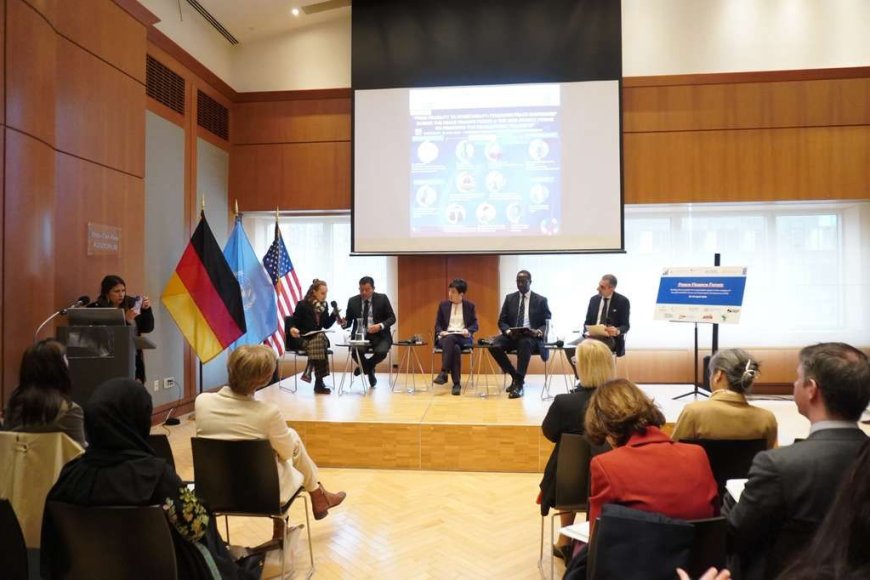
A panel discussion on “Building the Ecosystem for Sustainable Impact” organised on the sidelines of the Forum on Financing for Development. Photo by the United Nations Peacebuilding Support Office.

From Crisis to Opportunity: Rethinking How We Finance Peace

Apr 30, 2026 - 14:53
 0

How can fragile regions become viable destinations for investment? That question took center stage at the Peace Finance Forum, a two-day gathering that brought together global leaders, financial institutions, and peacebuilding experts to rethink how capital can support stability and long-term growth.


Held last week, on the sidelines of the Forum on Financing for Development, the forum—titled “Building the Ecosystem for Sustainable Impact”—was co-organised by the United Nations Peacebuilding Support Office and supported by the Permanent Missions of Germany, Japan, and Norway to the United Nations.

Across two days of discussions, participants explored how to shift from short-term crisis response toward sustainable, “peace-positive” investment strategies in fragile and conflict-affected settings.
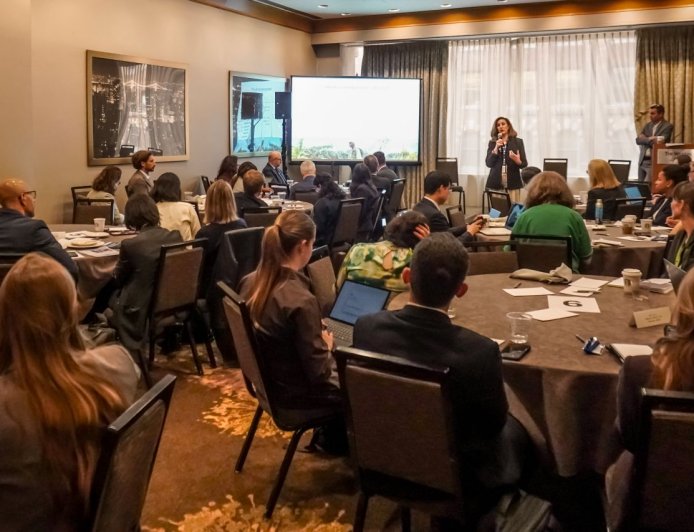
Opening the forum, Elizabeth Spehar, Assistant Secretary-General for Peacebuilding Support, urged stakeholders to rethink traditional financing models.

“We need to be ‘peace intentional’ in how we design and deliver financing in fragile contexts,” she said, emphasising that investment decisions must actively contribute to stability rather than inadvertently deepen risk.

She was joined by a diverse panel of global voices, including Julia Monar, Director-General for Crisis Prevention at Germany’s Federal Foreign Office, and ambassadors from Spain, Mozambique, and Morocco. Leaders from major financial institutions, including Citibank, the African Development Bank Group, and the World Bank Group, also contributed to the conversation.

From Dialogue to Action

While the first day focused on big-picture strategy under the theme “From Fragility to Investability: Financing Peace Economies,” the second day turned toward implementation.

Six technical sessions examined practical pathways for mobilizing capital in high-risk environments, including the role of philanthropy, blended finance models, and strengthening local financial systems. Participants also explored how to build market infrastructure and expand private sector engagement in fragile states.

A recurring theme was the importance of collaboration between governments, development banks, private investors, and local actors, to unlock investment opportunities that can deliver both financial returns and social stability.
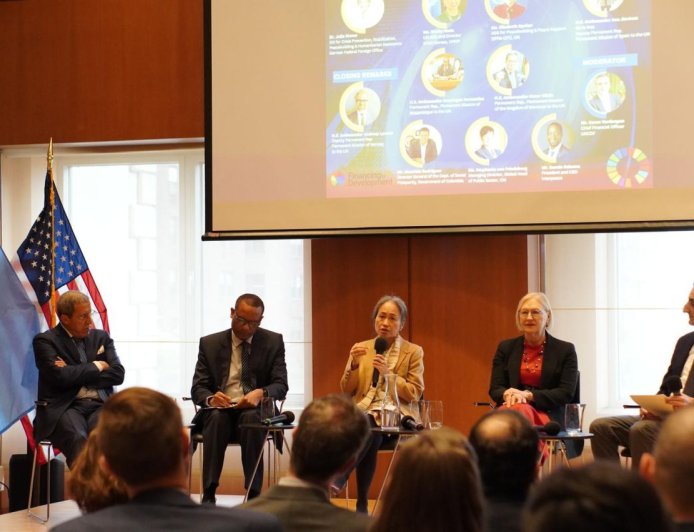
Organizers say the forum aimed to equip UN Member States with clearer insights into emerging best practices and actionable opportunities in peace-focused financing.

The outcomes of the discussions are expected to feed into the inaugural UN Peacebuilding Week, scheduled for June 2026, where further attention will be given to scaling innovative approaches that bridge the gap between fragility and investment.

Participants agreed on one point: financing peace is no longer a niche idea, it is becoming an essential pillar of sustainable development.
 

From Crisis to Opportunity: Rethinking How We Finance Peace

Apr 30, 2026 - 14:53
 0
From Crisis to Opportunity: Rethinking How We Finance Peace
A panel discussion on “Building the Ecosystem for Sustainable Impact” organised on the sidelines of the Forum on Financing for Development. Photo by the United Nations Peacebuilding Support Office.

How can fragile regions become viable destinations for investment? That question took center stage at the Peace Finance Forum, a two-day gathering that brought together global leaders, financial institutions, and peacebuilding experts to rethink how capital can support stability and long-term growth.


Held last week, on the sidelines of the Forum on Financing for Development, the forum—titled “Building the Ecosystem for Sustainable Impact”—was co-organised by the United Nations Peacebuilding Support Office and supported by the Permanent Missions of Germany, Japan, and Norway to the United Nations.

Across two days of discussions, participants explored how to shift from short-term crisis response toward sustainable, “peace-positive” investment strategies in fragile and conflict-affected settings.

Opening the forum, Elizabeth Spehar, Assistant Secretary-General for Peacebuilding Support, urged stakeholders to rethink traditional financing models.

“We need to be ‘peace intentional’ in how we design and deliver financing in fragile contexts,” she said, emphasising that investment decisions must actively contribute to stability rather than inadvertently deepen risk.

She was joined by a diverse panel of global voices, including Julia Monar, Director-General for Crisis Prevention at Germany’s Federal Foreign Office, and ambassadors from Spain, Mozambique, and Morocco. Leaders from major financial institutions, including Citibank, the African Development Bank Group, and the World Bank Group, also contributed to the conversation.

From Dialogue to Action

While the first day focused on big-picture strategy under the theme “From Fragility to Investability: Financing Peace Economies,” the second day turned toward implementation.

Six technical sessions examined practical pathways for mobilizing capital in high-risk environments, including the role of philanthropy, blended finance models, and strengthening local financial systems. Participants also explored how to build market infrastructure and expand private sector engagement in fragile states.

A recurring theme was the importance of collaboration between governments, development banks, private investors, and local actors, to unlock investment opportunities that can deliver both financial returns and social stability.

Organizers say the forum aimed to equip UN Member States with clearer insights into emerging best practices and actionable opportunities in peace-focused financing.

The outcomes of the discussions are expected to feed into the inaugural UN Peacebuilding Week, scheduled for June 2026, where further attention will be given to scaling innovative approaches that bridge the gap between fragility and investment.

Participants agreed on one point: financing peace is no longer a niche idea, it is becoming an essential pillar of sustainable development.