
Conflict Pushes One in Four in Lebanon into Severe Hunger

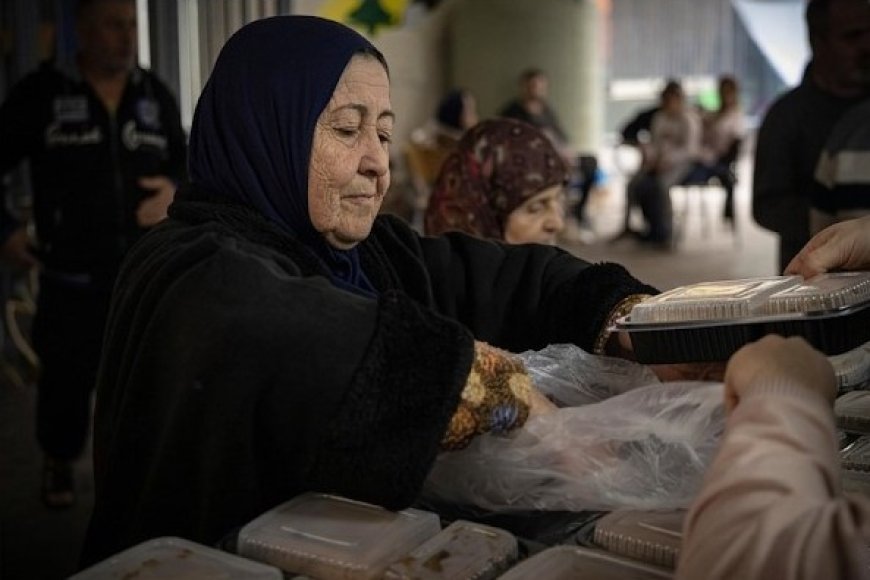
Food distribution to displaced families sheltering in a public school in Beirut. Photo: WFP

Conflict Pushes One in Four in Lebanon into Severe Hunger

Apr 30, 2026 - 12:50
 0

A sharp escalation in violence has pushed nearly a quarter of Lebanon’s population into acute food insecurity, reversing years of progress and falling the nation deeper into crisis.


A new Integrated Food Security Phase Classification (IPC) analysis reveals that 1.24 million people are expected to face crisis levels of hunger or worse between April and August 2026.

This figure marks a significant surge from late 2025, when 874,000 people, roughly 17 percent of the population, were experiencing acute food insecurity.

The report, released by the Ministry of Agriculture in collaboration with the FAO and the World Food Programme (WFP), blames a combination of conflict, mass displacement, and economic collapse.

“The fragility we warned about in the previous IPC analysis has unfortunately proven to be true,” said Allison Oman Lawi, WFP Representative and Country Director in Lebanon.

He added that the years of effort to stabilize the region have been wiped out. The collision of escalating violence and skyrocketing costs is forcing families who had found a way to survive back into a desperate struggle against hunger.

The essential systems that produce and distribute food are failing under the weight of conflict and economic instability. Farmers have seen their lands destroyed and their livelihoods overturned by ongoing insecurity, with many unable to plant for the upcoming season.

“This confirms continued and deepening fragility in rural and agrifood systems. Compounded shocks are undermining agricultural livelihoods and impacting food security, highlighting the urgent need for emergency agricultural assistance to support farmers and prevent further deterioration,” said Nora Ourabah Haddad, FAO Representative in Lebanon.

Lebanese Minister of Agriculture, Dr. Nizar Hani, emphasized that the situation has reached a critical stage.

“These results underscore the severity of the current situation in Lebanon, where conflict intersects with economic pressures putting national food security under critical risk and juncture,” he said.

“We reaffirm our commitment to adopting a sustainable, science-based approach that goes beyond merely monitoring crises, by responding to them through continuous policies and programmes that strengthen the resilience of the agricultural sector and protect farmers’ livelihoods,” Hani stated.

He added, “We also stress the need to move beyond passive neutrality in addressing these crises to a responsible neutrality toward a more proactive and strategic approach. In this context, we consider the media, alongside international partners, as a key pillar in conveying the truth and raising awareness, to support response efforts and promote sustainable recovery.

“Safeguarding food security in Lebanon is a shared national and international responsibility, and investment in agriculture remains essential to ensuring stability and strengthening communities’ resilience to recurring crises.”

A widespread Crisis

The deterioration is most severe in conflict-hit districts including Bent Jbeil, Marjeyoun, Sour, Nabatiyeh, and Baalbeck El Hermel.

The hunger crisis spans all demographics, impacting 725,000 Lebanese citizens (19%) alongside 362,000 Syrian refugees (36%) and 104,000 Palestinian refugees (45%) now classified at critical risk.

The situation is terrible for those who have arrived from Syria since 2024, with over half of that population now unable to meet their most basic nutritional needs.

Families are now acting out of necessity, not choice including skipping meals, taking on heavy debt, or selling essential assets just to survive.

The report warns that if the conflict persists and humanitarian funding continues to fall short, the situation is likely to worsen. Without immediate intervention and a stabilization of the security environment, Lebanon faces a hunger catastrophe that could overtake current aid efforts.
Conflict Pushes One in Four in Lebanon into Severe Hunger

Apr 30, 2026 - 12:50
Apr 30, 2026 - 12:52
 0
Conflict Pushes One in Four in Lebanon into Severe Hunger
Food distribution to displaced families sheltering in a public school in Beirut. Photo: WFP

A sharp escalation in violence has pushed nearly a quarter of Lebanon’s population into acute food insecurity, reversing years of progress and falling the nation deeper into crisis.


A new Integrated Food Security Phase Classification (IPC) analysis reveals that 1.24 million people are expected to face crisis levels of hunger or worse between April and August 2026.

This figure marks a significant surge from late 2025, when 874,000 people, roughly 17 percent of the population, were experiencing acute food insecurity.

The report, released by the Ministry of Agriculture in collaboration with the FAO and the World Food Programme (WFP), blames a combination of conflict, mass displacement, and economic collapse.

“The fragility we warned about in the previous IPC analysis has unfortunately proven to be true,” said Allison Oman Lawi, WFP Representative and Country Director in Lebanon.

He added that the years of effort to stabilize the region have been wiped out. The collision of escalating violence and skyrocketing costs is forcing families who had found a way to survive back into a desperate struggle against hunger.

The essential systems that produce and distribute food are failing under the weight of conflict and economic instability. Farmers have seen their lands destroyed and their livelihoods overturned by ongoing insecurity, with many unable to plant for the upcoming season.

“This confirms continued and deepening fragility in rural and agrifood systems. Compounded shocks are undermining agricultural livelihoods and impacting food security, highlighting the urgent need for emergency agricultural assistance to support farmers and prevent further deterioration,” said Nora Ourabah Haddad, FAO Representative in Lebanon.

Lebanese Minister of Agriculture, Dr. Nizar Hani, emphasized that the situation has reached a critical stage.

“These results underscore the severity of the current situation in Lebanon, where conflict intersects with economic pressures putting national food security under critical risk and juncture,” he said.

“We reaffirm our commitment to adopting a sustainable, science-based approach that goes beyond merely monitoring crises, by responding to them through continuous policies and programmes that strengthen the resilience of the agricultural sector and protect farmers’ livelihoods,” Hani stated.

He added, “We also stress the need to move beyond passive neutrality in addressing these crises to a responsible neutrality toward a more proactive and strategic approach. In this context, we consider the media, alongside international partners, as a key pillar in conveying the truth and raising awareness, to support response efforts and promote sustainable recovery.

“Safeguarding food security in Lebanon is a shared national and international responsibility, and investment in agriculture remains essential to ensuring stability and strengthening communities’ resilience to recurring crises.”

A widespread Crisis

The deterioration is most severe in conflict-hit districts including Bent Jbeil, Marjeyoun, Sour, Nabatiyeh, and Baalbeck El Hermel.

The hunger crisis spans all demographics, impacting 725,000 Lebanese citizens (19%) alongside 362,000 Syrian refugees (36%) and 104,000 Palestinian refugees (45%) now classified at critical risk.

The situation is terrible for those who have arrived from Syria since 2024, with over half of that population now unable to meet their most basic nutritional needs.

Families are now acting out of necessity, not choice including skipping meals, taking on heavy debt, or selling essential assets just to survive.

The report warns that if the conflict persists and humanitarian funding continues to fall short, the situation is likely to worsen. Without immediate intervention and a stabilization of the security environment, Lebanon faces a hunger catastrophe that could overtake current aid efforts.