 English
 Kinyarwanda

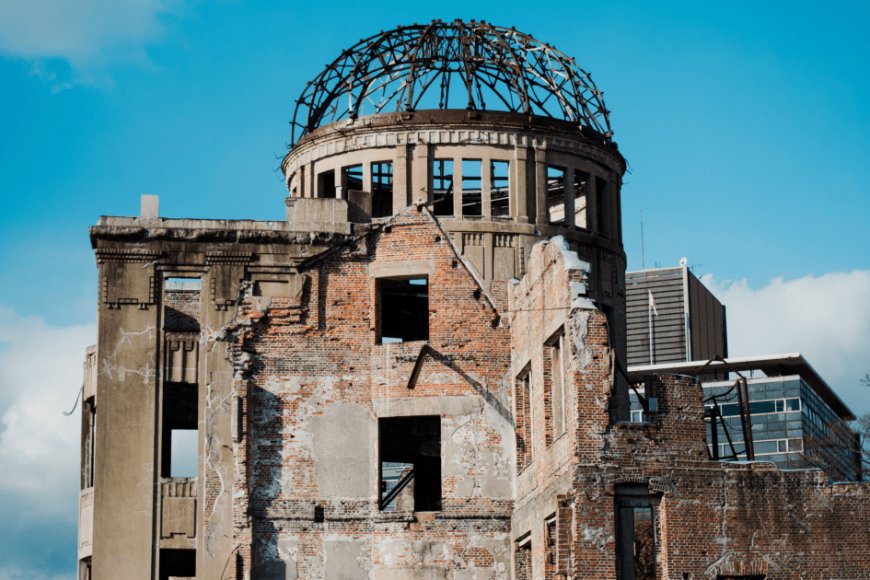
From memory to responsibility: Hiroshima’s approach to Peace Education

Hiroshima occupies a distinctive place in global peace education as a site where historical memory is transformed into a pedagogical resource for cultivating ethical awareness and responsibility among younger generations. Educational initiatives in the city draw upon survivor testimonies, museum-based learning, and structured classroom discussions to engage students with the history of the atomic bombing and its human consequences.
Peace education practices in Hiroshima emphasize reflection, empathy, and dialogue rather than the transmission of historical facts alone. Through guided encounters with testimonies of atomic-bomb survivors (hibakusha), visits to memorial spaces, and classroom-based activities, students are encouraged to consider the ethical implications of war, violence, and nuclear weapons. This approach aims to move learners from awareness of historical tragedy toward a sense of shared human responsibility for building a peaceful future.
Schools in Hiroshima work closely with civic institutions such as the Hiroshima Peace Memorial Museum and local peace organizations to support experiential learning. Teachers often integrate peace education across subjects, combining history, literature, and civic education to create opportunities for critical reflection. Educational materials developed locally—such as student reflection notebooks, guided museum visits, and community storytelling programmes—help students process emotionally challenging historical narratives in an age-appropriate and supportive learning environment.
A key feature of Hiroshima’s approach is the careful mediation of traumatic historical memory. Educators recognize the emotional weight of the atomic bombing and therefore frame testimonies and historical narratives in ways that are both ethically responsible and pedagogically effective. Classroom dialogue, reflective writing, and collaborative learning activities allow students to express their responses and consider the broader implications of the event for contemporary global society.
Through these practices, Hiroshima’s peace education seeks to transform remembrance into responsibility. The aim is not only to preserve historical memory but also to cultivate values of empathy, critical thinking, and commitment to peace among younger generations.
Through these practices, Hiroshima’s peace education seeks to transform remembrance into responsibility. The aim is not only to preserve historical memory but also to cultivate values of empathy, critical thinking, and commitment to peace among younger generations. As the number of living atomic-bomb survivors continues to decline, educators and institutions in Hiroshima are increasingly developing new pedagogical strategies to ensure that the lessons of the past remain meaningful for future generations.
The author is Nirmali Wijegoonawardena, University of Colombo Sri Lanka