
Global attacks on schools surge 20 percent as classrooms fall under fire

Global attacks on schools surge 20 percent as classrooms fall under fire

Apr 18, 2026 - 18:48
 0

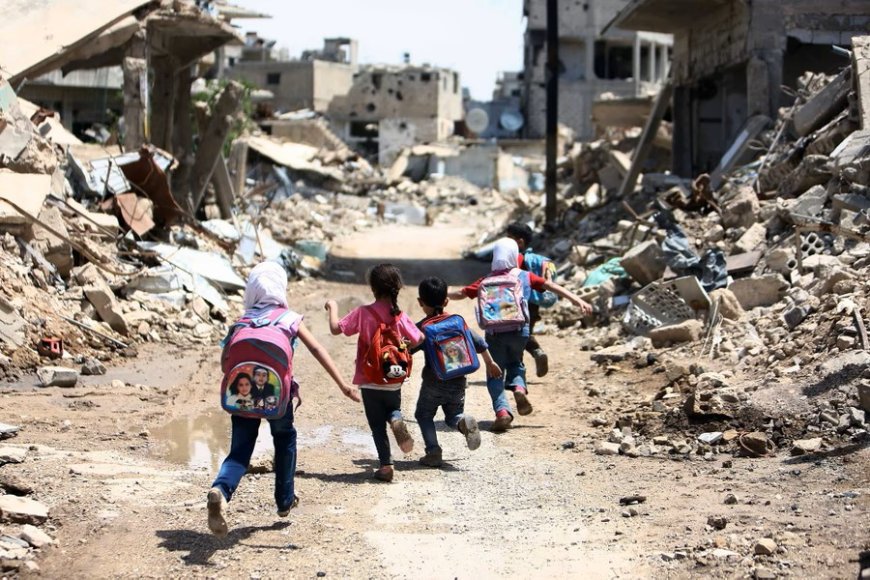
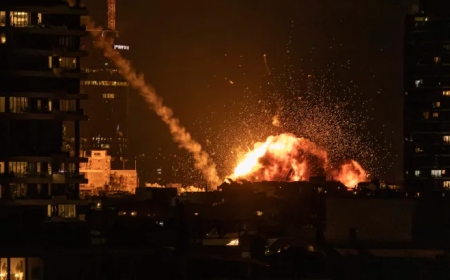
The recent bombing of a girls' school in Iran, which claimed the lives of at least 165 students, has underscored the harsh reality on the escalating dangers facing children in conflict zones. This tragedy serves as a reminder of how modern warfare is increasingly moving into the classroom, transforming places of hope into sites of violence.


According to a new report from the Global Coalition to Protect Education from Attack, documented by the Peace Research Institute Oslo (PRIO), more than 6,000 attacks on students, teachers, and educational institutions occurred during 2022 and 2023.

This marks a nearly 20 per cent increase in violence compared to the previous two years, leaving over 10,000 educators and students killed, injured, or abducted.

These statistics represent a growing global crisis where schools are either collateral damage or deliberate targets.

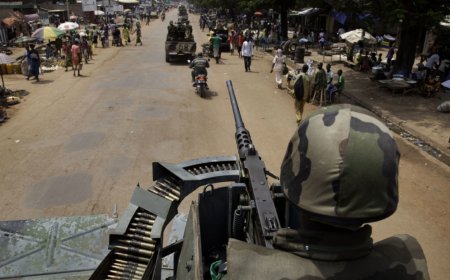
From the frontlines of Ukraine and Myanmar to the Democratic Republic of the Congo, armed actors are increasingly bombing or occupying schools. When education is targeted, children are not only robbed of their future but are also exposed to recruitment by armed groups, abduction, and sexual abuse.

To understand the long-term wreckage of these attacks, researchers at PRIO are currently mapping decades of violence through a project called 'EdAttack.' The study focuses on sub-Saharan Africa, where the scars of school-related violence often last for generations.

During recent fieldwork in Northern Uganda, researchers spoke with survivors of the Lord’s Resistance Army (LRA) insurgency. In the 1990s and early 2000s, schools in the region were frequently looted, occupied, or used as sites for mass abductions.

“After the attacks, many parents no longer dared to send their children to school,” a teacher in Gulu told the PRIO research team. This persistent trauma has created a cycle of fear that makes it difficult for communities to return to normalcy even decades after the guns have fallen silent.

One of the most haunting accounts came from a former student at St. Mary’s College Aboke. In 1996, the LRA famously abducted 139 girls from the school. Decades later, the survivor noted that the fear of a repeat attack was “still in the walls.”

The impact of this violence extends far beyond physical injury. In Atiak, former abductees told researchers that the stigma they faced upon returning from captivity was so overwhelming that they were forced to drop out of school.

This lack of education continues to shape lives today.

PRIO notes that children who missed school due to war now face fewer job opportunities and lower incomes, which reduces their ability to support their own children’s education.

In many cases, according to report, the perceived value of schooling drops as families shifts their entire focus toward basic survival.

Recovery in these regions remains a slow and painful process. While the Ugandan government and international agencies have rebuilt many physical structures, enrollment and completion rates in Northern Uganda remain significantly lower than in the rest of the country.

“Restoring education in conflict-affected areas requires more than new schools and textbooks,” the PRIO report explains. Survivors require long-term psychosocial support to address the vivid memories of violence and the psychological consequences that prevent them from returning to the classroom.

The research underscores that a holistic approach is necessary. This involves combining security with community involvement to address the social challenges and stigma that follow war.

PRIO suggests that better coordination between governments and aid organizations is the only way to ensure that education systems remain sustainable after development aid ends.

On the international stage, the Safe Schools Declaration remains a primary tool for prevention

This political commitment, launched in 2015 with Norway’s leadership, pledges to protect schools from military use. While 123 countries have endorsed it, many nations—including Uganda—have yet to sign on.

However, endorsement is only the first step. PRIO emphasizes that these commitments must be integrated into military training and national policy to create real accountability.

Despite the clear need, funding for education in humanitarian crises remains dangerously low. As major donors cut development budgets, school funding is often the first casualty.

According to PRIO, failing to protect education is more than a policy failure; it is a direct threat to global stability. A world that does not shield its classrooms is a world that is “undermining the foundations of future peace.”
Global attacks on schools surge 20 percent as classrooms fall under fire

Apr 18, 2026 - 18:48
 0
Global attacks on schools surge 20 percent as classrooms fall under fire

The recent bombing of a girls' school in Iran, which claimed the lives of at least 165 students, has underscored the harsh reality on the escalating dangers facing children in conflict zones. This tragedy serves as a reminder of how modern warfare is increasingly moving into the classroom, transforming places of hope into sites of violence.


According to a new report from the Global Coalition to Protect Education from Attack, documented by the Peace Research Institute Oslo (PRIO), more than 6,000 attacks on students, teachers, and educational institutions occurred during 2022 and 2023.

This marks a nearly 20 per cent increase in violence compared to the previous two years, leaving over 10,000 educators and students killed, injured, or abducted.

These statistics represent a growing global crisis where schools are either collateral damage or deliberate targets.

From the frontlines of Ukraine and Myanmar to the Democratic Republic of the Congo, armed actors are increasingly bombing or occupying schools. When education is targeted, children are not only robbed of their future but are also exposed to recruitment by armed groups, abduction, and sexual abuse.

To understand the long-term wreckage of these attacks, researchers at PRIO are currently mapping decades of violence through a project called 'EdAttack.' The study focuses on sub-Saharan Africa, where the scars of school-related violence often last for generations.

During recent fieldwork in Northern Uganda, researchers spoke with survivors of the Lord’s Resistance Army (LRA) insurgency. In the 1990s and early 2000s, schools in the region were frequently looted, occupied, or used as sites for mass abductions.

“After the attacks, many parents no longer dared to send their children to school,” a teacher in Gulu told the PRIO research team. This persistent trauma has created a cycle of fear that makes it difficult for communities to return to normalcy even decades after the guns have fallen silent.

One of the most haunting accounts came from a former student at St. Mary’s College Aboke. In 1996, the LRA famously abducted 139 girls from the school. Decades later, the survivor noted that the fear of a repeat attack was “still in the walls.”

The impact of this violence extends far beyond physical injury. In Atiak, former abductees told researchers that the stigma they faced upon returning from captivity was so overwhelming that they were forced to drop out of school.

This lack of education continues to shape lives today.

PRIO notes that children who missed school due to war now face fewer job opportunities and lower incomes, which reduces their ability to support their own children’s education.

In many cases, according to report, the perceived value of schooling drops as families shifts their entire focus toward basic survival.

Recovery in these regions remains a slow and painful process. While the Ugandan government and international agencies have rebuilt many physical structures, enrollment and completion rates in Northern Uganda remain significantly lower than in the rest of the country.

“Restoring education in conflict-affected areas requires more than new schools and textbooks,” the PRIO report explains. Survivors require long-term psychosocial support to address the vivid memories of violence and the psychological consequences that prevent them from returning to the classroom.

The research underscores that a holistic approach is necessary. This involves combining security with community involvement to address the social challenges and stigma that follow war.

PRIO suggests that better coordination between governments and aid organizations is the only way to ensure that education systems remain sustainable after development aid ends.

On the international stage, the Safe Schools Declaration remains a primary tool for prevention

This political commitment, launched in 2015 with Norway’s leadership, pledges to protect schools from military use. While 123 countries have endorsed it, many nations—including Uganda—have yet to sign on.

However, endorsement is only the first step. PRIO emphasizes that these commitments must be integrated into military training and national policy to create real accountability.

Despite the clear need, funding for education in humanitarian crises remains dangerously low. As major donors cut development budgets, school funding is often the first casualty.

According to PRIO, failing to protect education is more than a policy failure; it is a direct threat to global stability. A world that does not shield its classrooms is a world that is “undermining the foundations of future peace.”