
Global Military Spending Hits Record nearly $3 trillion Amid European Surge

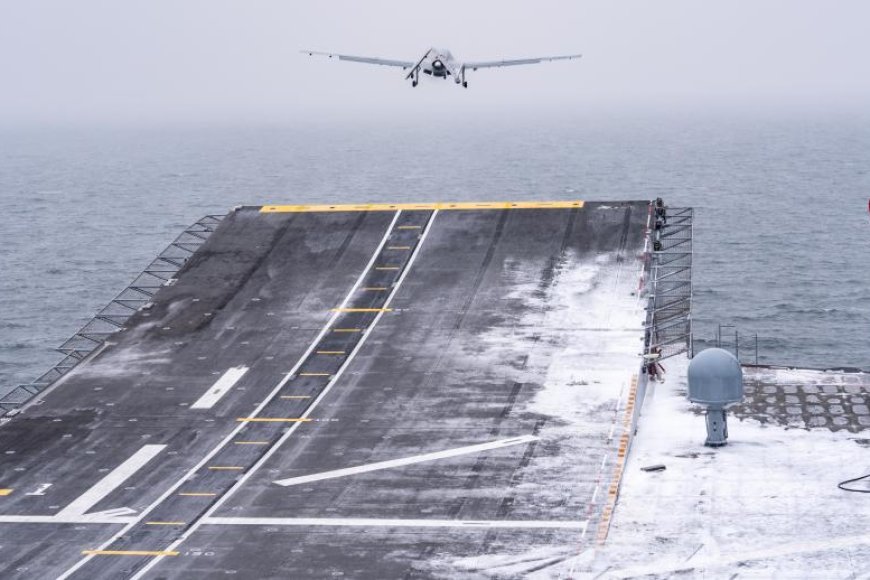
A military drone takes off from the ski-jump slope of an aircraft carrier. Photo by NATO.

Global Military Spending Hits Record nearly $3 trillion Amid European Surge

Apr 27, 2026 - 15:12
 0

World military spending reached an all-time high of $2.887 trillion ($2,887 billion) in 2025, as nations in Europe and Asia increased defense budgets in response to widespread conflict and insecurity.


New data released on April 27 by the Stockholm International Peace Research Institute (SIPRI) shows a 2.9 per cent increase in global expenditure compared to 2024.

This marks the 11th consecutive year of growth, pushing the global military burden—the share of military spending in the world’s Gross Domestic Product (GDP)—to 2.5 per cent, its highest point since 2009.

“Global military spending rose again in 2025 as states responded to another year of wars, uncertainty and geopolitical upheaval with large-scale armament drives,” said Xiao Liang, Researcher with SIPRI” s Military Expenditure and Arms Production Programme.

“Given the range of current crises, as well as many states” long-term military spending targets, this growth will probably continue through 2026 and beyond,” Liang added.

The United States, China, and Russia remained the world’s top three spenders, accounting for 51 per cent of the global total with a combined $1,480 billion in expenditure.

U.S. Spending Drops, but Surge Expected

Military spending in the United States fell by 7.5 per cent to $954 billion in 2025. This decline was largely due to a lack of new military aid for Ukraine being approved during the year.

Despite this, the U.S. increased its investments in nuclear and conventional weapons to maintain dominance in the West and discourage China.

“The decline in US military expenditure in 2025 is likely to be short-lived,” said Nan Tian, Programme Director of the SIPRI Military Expenditure and Arms Production Programme.

“Spending approved by the US Congress for 2026 has risen to over $1 trillion, a substantial increase from 2025, and could rise further to $1.5 trillion in 2027 if President Trump’s latest budget proposal is accepted,” Tian noted

War in Europe Drives Historic Growth

Europe saw a 14 per cent surge in spending, reaching $864 billion.

As the war in Ukraine entered its fourth year, Russia’s spending grew by 5.9 per cent to $190 billion, while Ukraine’s spending jumped 20 per cent to $84.1 billion.

“In 2025 military expenditure as a share of government spending reached the highest level ever recorded in both Russia and Ukraine,” said Lorenzo Scarazzato, Researcher with the SIPRI Military Expenditure and Arms Production Programme.

“Their spending is likely to keep growing in 2026 if the war continues, with revenues from Russia’s oil sales increasing and a major European Union loan expected by Ukraine,” Scarazzato added.

European NATO members also saw the sharpest growth in spending since the Cold War. Germany’s budget rose 24 per cent to $114 billion, and Spain’s increased by 50 per cent to $40.2 billion.

“In 2025 military spending by European NATO members rose faster than at any time since 1953, reflecting the ongoing pursuit of European self-reliance alongside increasing pressure from the United States to strengthen burden sharing within the alliance,” said Jade Guiberteau Ricard, Researcher with the SIPRI Military Expenditure and Arms Production Programme.

“As states strive to meet the new NATO spending targets agreed in 2025, there is a risk that the boundaries between military and other 'defence- and security-related' expenditures become blurred, reducing transparency and further complicating the assessment of military capabilities,” Ricard stated.

Asia and Oceania reach new highs

Expenditure in Asia and Oceania rose by 8.1 per cent to $681 billion. China, the world’s second-largest spender, increased its budget by 7.4 per cent to $336 billion. Japan and Taiwan also saw significant increases of 9.7 per cent and 14 per cent, respectively.

“US allies in Asia and Oceania such as Australia, Japan and the Philippines are spending more on their militaries, not only due to long-standing regional tensions but also due to growing uncertainty over US support,” said Diego Lopes da Silva, Senior Researcher with the SIPRI Military Expenditure and Arms Production Programme.

“As in Europe, US allies in Asia and Oceania are also under pressure from the Trump administration to spend more on their militaries,” Lopes da Silva added.

Middle East and global developments

Spending in the Middle East remained stable at $218 billion. While Israel’s expenditure fell slightly to $48.3 billion following a January 2025 ceasefire, it remained 97 per cent higher than in 2022. Iran’s spending fell by 5.6 per cent in real terms due to high inflation.

“Despite the recent conflicts, Iran’s military spending decreased in real terms due to economic difficulties,” said Zubaida Karim, Researcher with the SIPRI Military Expenditure and Arms Production Programme.

“However, official figures almost certainly understate the true level of Iran’s spending—Iran also uses off-budget oil revenues to finance its military, including the production of missiles and drones,” he added.

Other significant total military spending in Africa increased by 8.5 per cent in 2025, where Nigeria’s spending jumped 55 per cent to $2.1 billion due to insecurity.

In South America, Guyana’s military budget rose 16 per cent amid tensions with Venezuela over the Essequibo region. India remained the world’s fifth-largest spender, increasing its budget by 8.9 per cent to $92.1 billion.

Global Military Spending Hits Record nearly $3 trillion Amid European Surge

Apr 27, 2026 - 15:12
Apr 27, 2026 - 21:41
 0
Global Military Spending Hits Record nearly $3 trillion Amid European Surge
A military drone takes off from the ski-jump slope of an aircraft carrier. Photo by NATO.

World military spending reached an all-time high of $2.887 trillion ($2,887 billion) in 2025, as nations in Europe and Asia increased defense budgets in response to widespread conflict and insecurity.


New data released on April 27 by the Stockholm International Peace Research Institute (SIPRI) shows a 2.9 per cent increase in global expenditure compared to 2024.

This marks the 11th consecutive year of growth, pushing the global military burden—the share of military spending in the world’s Gross Domestic Product (GDP)—to 2.5 per cent, its highest point since 2009.

“Global military spending rose again in 2025 as states responded to another year of wars, uncertainty and geopolitical upheaval with large-scale armament drives,” said Xiao Liang, Researcher with SIPRI” s Military Expenditure and Arms Production Programme.

“Given the range of current crises, as well as many states” long-term military spending targets, this growth will probably continue through 2026 and beyond,” Liang added.

The United States, China, and Russia remained the world’s top three spenders, accounting for 51 per cent of the global total with a combined $1,480 billion in expenditure.

U.S. Spending Drops, but Surge Expected

Military spending in the United States fell by 7.5 per cent to $954 billion in 2025. This decline was largely due to a lack of new military aid for Ukraine being approved during the year.

Despite this, the U.S. increased its investments in nuclear and conventional weapons to maintain dominance in the West and discourage China.

“The decline in US military expenditure in 2025 is likely to be short-lived,” said Nan Tian, Programme Director of the SIPRI Military Expenditure and Arms Production Programme.

“Spending approved by the US Congress for 2026 has risen to over $1 trillion, a substantial increase from 2025, and could rise further to $1.5 trillion in 2027 if President Trump’s latest budget proposal is accepted,” Tian noted

War in Europe Drives Historic Growth

Europe saw a 14 per cent surge in spending, reaching $864 billion.

As the war in Ukraine entered its fourth year, Russia’s spending grew by 5.9 per cent to $190 billion, while Ukraine’s spending jumped 20 per cent to $84.1 billion.

“In 2025 military expenditure as a share of government spending reached the highest level ever recorded in both Russia and Ukraine,” said Lorenzo Scarazzato, Researcher with the SIPRI Military Expenditure and Arms Production Programme.

“Their spending is likely to keep growing in 2026 if the war continues, with revenues from Russia’s oil sales increasing and a major European Union loan expected by Ukraine,” Scarazzato added.

European NATO members also saw the sharpest growth in spending since the Cold War. Germany’s budget rose 24 per cent to $114 billion, and Spain’s increased by 50 per cent to $40.2 billion.

“In 2025 military spending by European NATO members rose faster than at any time since 1953, reflecting the ongoing pursuit of European self-reliance alongside increasing pressure from the United States to strengthen burden sharing within the alliance,” said Jade Guiberteau Ricard, Researcher with the SIPRI Military Expenditure and Arms Production Programme.

“As states strive to meet the new NATO spending targets agreed in 2025, there is a risk that the boundaries between military and other 'defence- and security-related' expenditures become blurred, reducing transparency and further complicating the assessment of military capabilities,” Ricard stated.

Asia and Oceania reach new highs

Expenditure in Asia and Oceania rose by 8.1 per cent to $681 billion. China, the world’s second-largest spender, increased its budget by 7.4 per cent to $336 billion. Japan and Taiwan also saw significant increases of 9.7 per cent and 14 per cent, respectively.

“US allies in Asia and Oceania such as Australia, Japan and the Philippines are spending more on their militaries, not only due to long-standing regional tensions but also due to growing uncertainty over US support,” said Diego Lopes da Silva, Senior Researcher with the SIPRI Military Expenditure and Arms Production Programme.

“As in Europe, US allies in Asia and Oceania are also under pressure from the Trump administration to spend more on their militaries,” Lopes da Silva added.

Middle East and global developments

Spending in the Middle East remained stable at $218 billion. While Israel’s expenditure fell slightly to $48.3 billion following a January 2025 ceasefire, it remained 97 per cent higher than in 2022. Iran’s spending fell by 5.6 per cent in real terms due to high inflation.

“Despite the recent conflicts, Iran’s military spending decreased in real terms due to economic difficulties,” said Zubaida Karim, Researcher with the SIPRI Military Expenditure and Arms Production Programme.

“However, official figures almost certainly understate the true level of Iran’s spending—Iran also uses off-budget oil revenues to finance its military, including the production of missiles and drones,” he added.

Other significant total military spending in Africa increased by 8.5 per cent in 2025, where Nigeria’s spending jumped 55 per cent to $2.1 billion due to insecurity.

In South America, Guyana’s military budget rose 16 per cent amid tensions with Venezuela over the Essequibo region. India remained the world’s fifth-largest spender, increasing its budget by 8.9 per cent to $92.1 billion.