 English
 Kinyarwanda

Houthi Tanker Strikes Threaten Second Global Oil Chokepoint

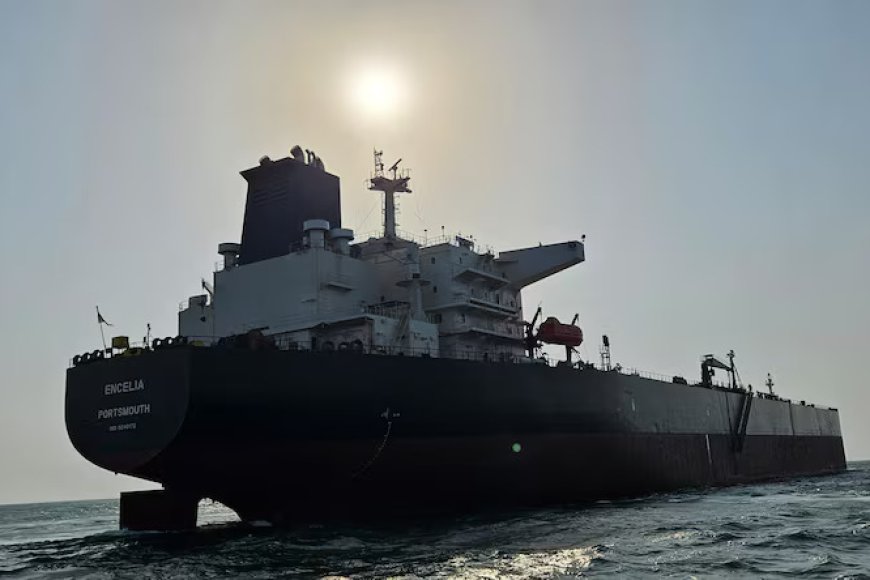
Iran-aligned Houthi fighters in Yemen said Thursday, July 23 they had struck two Saudi oil tankers in the Red Sea, threatening to turn the Bab el-Mandeb Strait into a second major chokepoint for global energy supplies as the Strait of Hormuz remains nearly closed.
The Houthis said the attacks on the Encelia and Layla were part of a naval blockade of Saudi Arabia.
The group controls Yemen's Red Sea coast and had announced the blockade earlier this week, in a move that threatens oil shipments passing through one of the world's most important maritime routes.
A maritime security source said the Encelia sent a distress call after reporting it had been hit by a missile near the Saudi port of Jizan, just north of Yemen, late Wednesday, according to Reuters.
Saudi state news agency SPA said the strike caused a fire at the ship's bow. Reuters could not immediately confirm the reported attack on the Layla.
Two Chinese ships carrying Saudi oil were seen passing through the Bab el-Mandeb Strait, even as other vessels began rerouting to avoid the growing danger.
The Houthis' move could effectively close the strait, known as the “Gate of Tears,” which connects the Red Sea to the Indian Ocean. The waterway is the second most important route for global energy markets after the Strait of Hormuz at the mouth of the Gulf.
The attacks come as the wider conflict between the United States, Israel and Iran continues to intensify.
Two weeks after an interim truce effectively collapsed, the U.S. military launched another round of overnight airstrikes on Iran, while Tehran retaliated against neighboring Arab countries hosting U.S. military bases.
U.S. Secretary of State Marco Rubio warned Iran that the cost of continuing the conflict would rise until Tehran accepts a lasting peace agreement.
“Iran is begging (for a deal) every day. The problem with Iran is every time they make a deal ... they either break it or they want to change it,” he said. “So now they're paying the price for it. And maybe they'll change their mind here over the next few days as they continue to suffer great losses.”
Iran, meanwhile, said it had attacked U.S. missile systems, weapons and fuel storage facilities in Jordan, as well as U.S. military positions in Kuwait. Tehran has also struck water desalination and energy facilities in Kuwait this week.
Jordan's army said it engaged four Iranian missiles and six drones over the past 24 hours, intercepting all but one missile, which landed in an uninhabited area.
Iranian military spokesperson Brigadier General Mohammad Akraminia said Iran would continue retaliating as long as the United States attacked its infrastructure and coastal areas, Iranian state television reported.
Since the United States and Israel began the war in February, Iran has shown it can strike U.S. targets across the region despite early claims from Washington that Iranian military capabilities had been destroyed.
Four people familiar with U.S. intelligence said Iranian strikes on CIA targets earlier in the war had prompted an investigation into whether Russia was helping Iran with targeting information or drone technology, Reuters wrote.