
Iran’s Hormuz move sends oil prices higher as tanker tensions grow

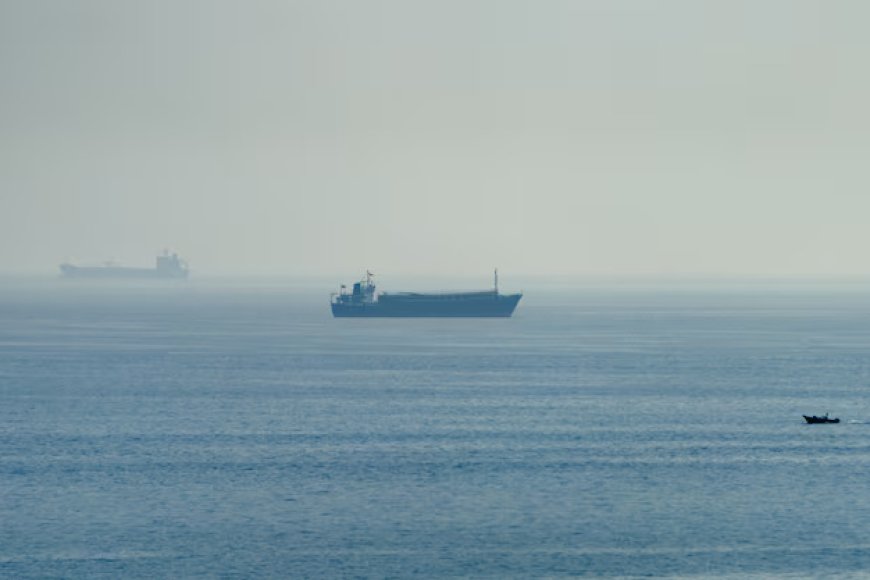
Vessels sail through the Strait of Hormuz, as seen from Musandam, Oman, July 31.

Iran’s Hormuz move sends oil prices higher as tanker tensions grow

Aug 1, 2026 - 14:47
 0

Oil prices climbed on Friday July 31 after Iran said its forces stopped two vessels attempting to leave the Strait of Hormuz and forced four others to turn back, raising fresh concerns over global energy supplies amid rising tensions in key shipping routes.


The latest developments pushed Brent crude futures more than 1 percent higher on Friday. Prices were on track to gain about 23 percent in July, while economists and analysts surveyed by Reuters expect oil prices to continue rising this year.

Iran’s Revolutionary Guards reported that two ships were intercepted while trying to exit the strategic waterway, but the claims could not be independently verified.

Shipping data showed that at least two large oil tankers and two commodities vessels passed through the strait on Friday.

The Strait of Hormuz, located between Iran and Oman, is one of the world’s most important energy routes, normally carrying about one-fifth of global oil shipments.

The reported disruptions came days after a drone attack on ships at an Egyptian Mediterranean port, which further increased fears over the safety of international shipping routes.

Iran has denied involvement in the Egyptian port attack.

Shipping risks have also increased beyond the Gulf. Iran’s Houthi allies in Yemen have recently threatened the Bab el-Mandeb Strait, another major shipping route connecting the Red Sea with the Suez Canal, which is used for Saudi crude exports.

London’s marine insurance market has expanded its “high risk” zone in the Red Sea, reflecting growing concerns among shipping companies over possible attacks and disruptions.

The tensions follow a sharp escalation in the five-month-old conflict involving Iran, the United States and their regional allies.

No new U.S. attacks on Iran were reported overnight between Thursday and Friday after joint U.S.-Saudi strikes earlier in the week against Iranian-aligned forces in Iraq.

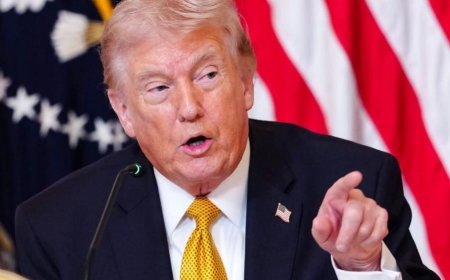
U.S. President Donald Trump said Friday that the war was progressing in Washington’s favor.

"All you can do is keep winning, then eventually something will happen," Trump told Fox News, without providing further details.

Later during a cabinet meeting at Camp David, Trump said he believed a deal with Iran was still possible, with U.S. Special Envoy Steve Witkoff, his son-in-law Jared Kushner and Secretary of State Marco Rubio involved in negotiations.

However, he expressed doubts about Tehran’s commitment, saying: "they break their word so often" and added that he would be "hitting them."

Iran has repeatedly accused Washington of failing to honor its commitments, while the United States has maintained pressure on Tehran amid the ongoing conflict.
Iran’s Hormuz move sends oil prices higher as tanker tensions grow

Aug 1, 2026 - 14:47
Aug 1, 2026 - 15:05
 0
Iran’s Hormuz move sends oil prices higher as tanker tensions grow
Vessels sail through the Strait of Hormuz, as seen from Musandam, Oman, July 31.

Oil prices climbed on Friday July 31 after Iran said its forces stopped two vessels attempting to leave the Strait of Hormuz and forced four others to turn back, raising fresh concerns over global energy supplies amid rising tensions in key shipping routes.


The latest developments pushed Brent crude futures more than 1 percent higher on Friday. Prices were on track to gain about 23 percent in July, while economists and analysts surveyed by Reuters expect oil prices to continue rising this year.

Iran’s Revolutionary Guards reported that two ships were intercepted while trying to exit the strategic waterway, but the claims could not be independently verified.

Shipping data showed that at least two large oil tankers and two commodities vessels passed through the strait on Friday.

The Strait of Hormuz, located between Iran and Oman, is one of the world’s most important energy routes, normally carrying about one-fifth of global oil shipments.

The reported disruptions came days after a drone attack on ships at an Egyptian Mediterranean port, which further increased fears over the safety of international shipping routes.

Iran has denied involvement in the Egyptian port attack.

Shipping risks have also increased beyond the Gulf. Iran’s Houthi allies in Yemen have recently threatened the Bab el-Mandeb Strait, another major shipping route connecting the Red Sea with the Suez Canal, which is used for Saudi crude exports.

London’s marine insurance market has expanded its “high risk” zone in the Red Sea, reflecting growing concerns among shipping companies over possible attacks and disruptions.

The tensions follow a sharp escalation in the five-month-old conflict involving Iran, the United States and their regional allies.

No new U.S. attacks on Iran were reported overnight between Thursday and Friday after joint U.S.-Saudi strikes earlier in the week against Iranian-aligned forces in Iraq.

U.S. President Donald Trump said Friday that the war was progressing in Washington’s favor.

"All you can do is keep winning, then eventually something will happen," Trump told Fox News, without providing further details.

Later during a cabinet meeting at Camp David, Trump said he believed a deal with Iran was still possible, with U.S. Special Envoy Steve Witkoff, his son-in-law Jared Kushner and Secretary of State Marco Rubio involved in negotiations.

However, he expressed doubts about Tehran’s commitment, saying: "they break their word so often" and added that he would be "hitting them."

Iran has repeatedly accused Washington of failing to honor its commitments, while the United States has maintained pressure on Tehran amid the ongoing conflict.