 English
 Kinyarwanda

Nearly 6 in 10 women in DR Congo report rising violence during Ebola outbreak

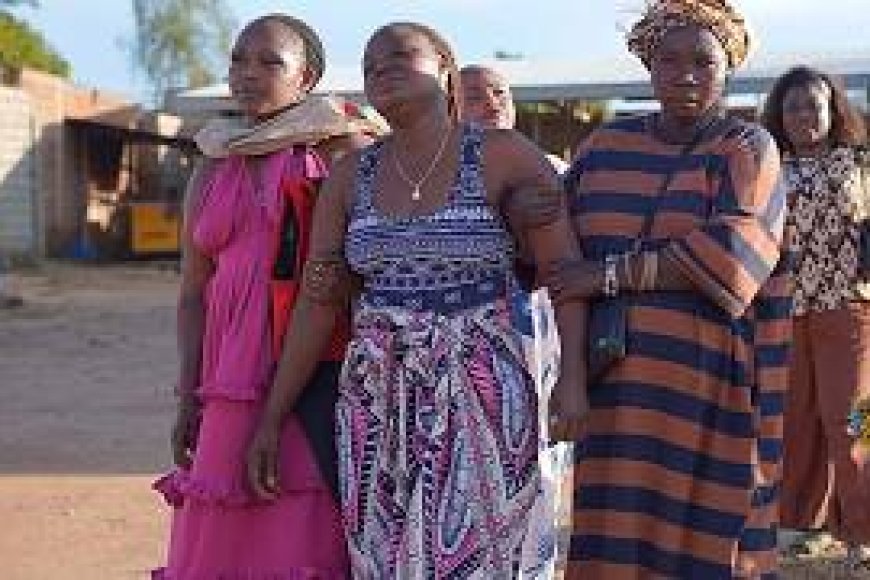
Nearly six in 10 women and adolescent girls aged 15 and above surveyed in eastern Democratic Republic of the Congo (DRC) have reported increased violence and abuse since the Ebola outbreak began, raising concerns about their safety at home and in their communities.
The findings, released by UNICEF in a statement on November 24, 2026, are based on 1,062 interviews conducted in Ituri province between August 28 and October 15. The study was carried out with local women's organisation SOFEPADI and Washington University in St. Louis.
More than a third of those interviewed reported increased control over where they could go, their money and phones, as well as emotional and psychological abuse. Physical and sexual violence were also reported.
UNICEF said the outbreak has added to the dangers already facing women and girls in eastern DRC, where years of conflict and displacement have left many exposed to violence.
“Women and girls are facing a growing threat of violence and abuse on top of a deadly disease outbreak and continued conflict in eastern DRC,” said UNICEF Executive Director Catherine Russell.
The study found that seven in 10 respondents lived in households affected by public health measures such as isolation, quarantine or contact tracing. Among those who reported increased violence, nine in 10 said stress and fear linked to the outbreak contributed to the problem.
Access to help has also become difficult. Almost half of the women and girls who tried to reach support services could not get assistance.
Some have restricted their movements to avoid infection, while others are being prevented from leaving home by family members. Other barriers include the closure of support centres, fear of perpetrators, shame and lack of trust.
However, demand for protection services is rising. Visits to eight safe spaces operated by SOFEPADI in Ituri increased by 200 per cent, from 1,183 between January and March to 3,548 between July and September.
A separate UNICEF survey of about 11,500 young people in Ituri also found that nearly half believed violence against women and girls had increased since the outbreak began. Physical and sexual violence were their main concerns.
Women and girls face additional risks because they often care for sick relatives, prepare loved ones for burial and accompany ill children to health facilities, increasing their chances of exposure to Ebola, according to the statement.
Since the outbreak began, UNICEF and its partners have supported more than 3,300 survivors of gender-based violence in Ituri and North Kivu. They have also provided mental health and psychosocial support to nearly 175,000 people between June and October.
However, services protecting women and children remain seriously underfunded, with 76 per cent of the required funding still missing.
UNICEF is calling on the government, aid organisations and donors to keep protection services open, increase funding and involve local women's organisations in monitoring violence during the outbreak.
“There is no excuse for violence and abuse against women and girls,” Russell said. “Protection must be part of the Ebola response, and it must be informed by what women and girls tell us. That includes prioritizing prevention and services for survivors.”
SOFEPADI National Coordinator Sandrine Lusamba said more women and girls were seeking help at its safe spaces and called for the centres to remain open and receive adequate funding throughout the response.
Dr. Lindsay Stark of Washington University in St. Louis said the fear and pressure caused by the outbreak could worsen violence in homes, but keeping support services available could help prevent further abuse.