 English
 Kinyarwanda

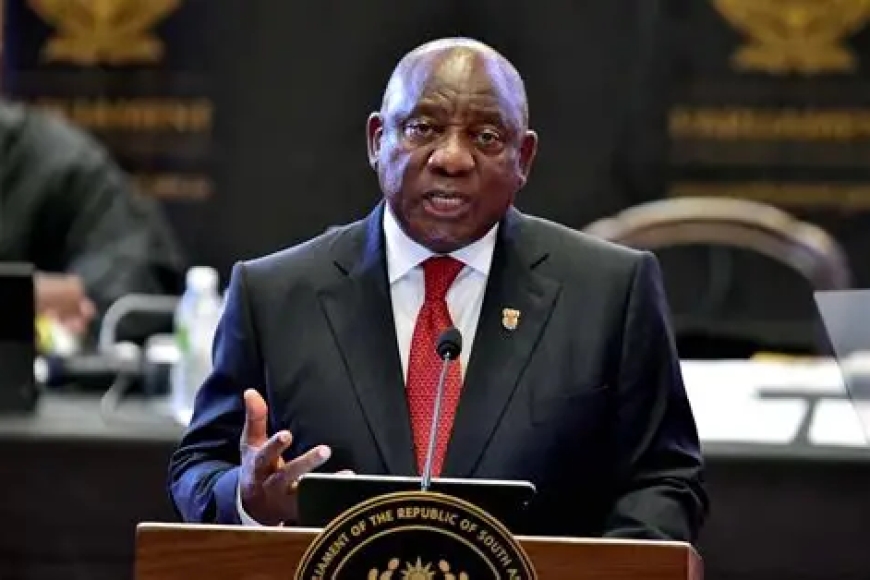
Ramaphosa Vows to Crush Planned Anti-Migrant Marches as Violence Fears Rise

South African President Cyril Ramaphosa vowed on Thursday, June 25 to crush any attempts to destabilize the nation during planned nationwide anti-immigrant marches next week, ordering security forces to tighten control to prevent a resurgence of deadly xenophobic violence.
The warning comes as citizen-led groups set Tuesday, June 30 as a deadline for undocumented foreigners to leave the country. The groups have called for mass protests against illegal immigration, marking a climax in months of demonstrations that have regularly turned violent.
This unofficial ultimatum has stoked widespread fears of a return to the deadly xenophobic riots that have plagued the country in the past.
Addressing the upper house of parliament, Ramaphosa drew a hard line against potential lawbreakers.
"We will not tolerate any attempts to destabilise the country by anyone, whether marching or otherwise," said Ramaphosa.
"Our security forces are ready and those who transgress the measures that we are putting in place will definitely meet the might of the law," he told the upper house of parliament.
In preparation for Tuesday, the police have announced heightened security measures across the country.
Simultaneously, government officials have stepped up diplomatic efforts to maintain calm, which included holding urgent meetings with the influential Zulu Royal House.
The state remains highly on edge following weeks of sporadic xenophobic unrest. Official South African sources state that at least three people have died in recent clashes, while neighboring Mozambican authorities put the death toll among their own nationals at five.
"We are taking measures to ensure that the 30th becomes a normal day where people will be able to work, to go about their business," said Ramaphosa.
Despite the government's assurances, the anti-migrant campaign has already triggered the voluntary repatriation of thousands of foreign nationals. Terrified migrants are fleeing back to countries across the continent, including Ghana, Malawi, Mozambique, and Nigeria.
Because so many people are fleeing so quickly, temporary camps are popping up all over Durban and Johannesburg.
As thousands of displaced people await transport to their home countries, aid groups have issued urgent warnings of a deepening humanitarian crisis.
As one of Africa's largest and most industrialized economies, South Africa has long served as a primary destination for continental migrants seeking employment. But the country has its own big money problems, and around 32% of people don't have a job.
This fierce competition for scarce jobs has fueled deep-seated resentment. Some South Africans openly blame foreign migrants for the country's high rates of poverty and crime.
The President and labor unions say immigrants are being wrongly blamed for the country's problems. But some politicians are using anger against foreigners to try and win votes in the upcoming elections.
The threat of further escalation remains a grave concern due to South Africa's history of catastrophic immigration riots. In 2008, a massive wave of xenophobic violence left 62 people dead. A similar flare-up in 2019 saw armed mobs descend on foreign-owned businesses around Johannesburg, resulting in 12 deaths—10 of whom were South African citizens.