
Spain pushes back mass Ceuta border crossing as deaths rise

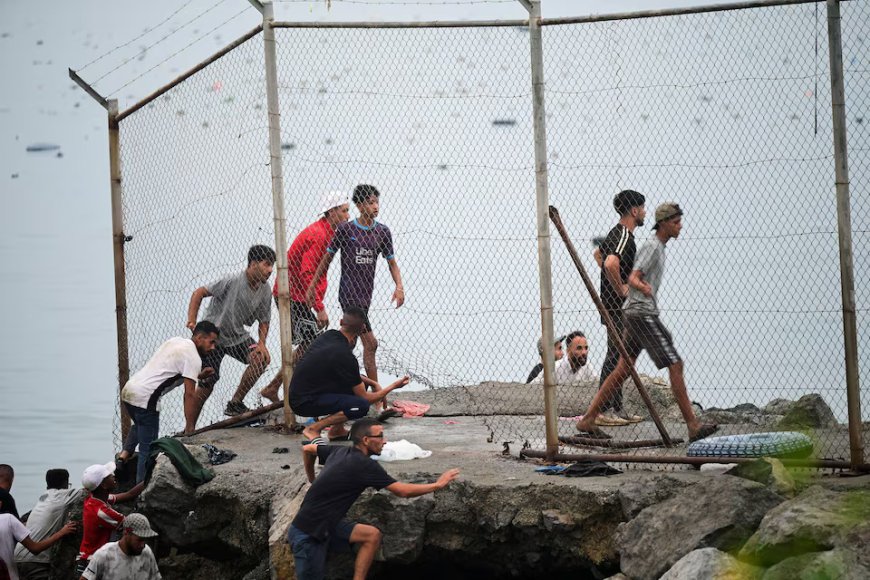
Migrants return to Morocco from Ceuta after a mass crossing into the Spanish enclave by land and sea, July 31. Photos: Reuters

Spain pushes back mass Ceuta border crossing as deaths rise

Aug 1, 2026 - 11:12
 0

Spain said Friday, August 01 it had regained control of its border with the North African enclave of Ceuta after tens of thousands of migrants crossed from Morocco by land and sea in one of the largest mass border crossings in recent years, leaving dozens dead and triggering political tensions across Europe.


Spanish authorities said more than 50,000 people entered Ceuta since Thursday morning, but by Friday evening about 48,300 had already returned voluntarily to Morocco.

Officials said efforts were underway to speed up deportations after what Prime Minister Pedro Sanchez described as a "violation of sovereignty."
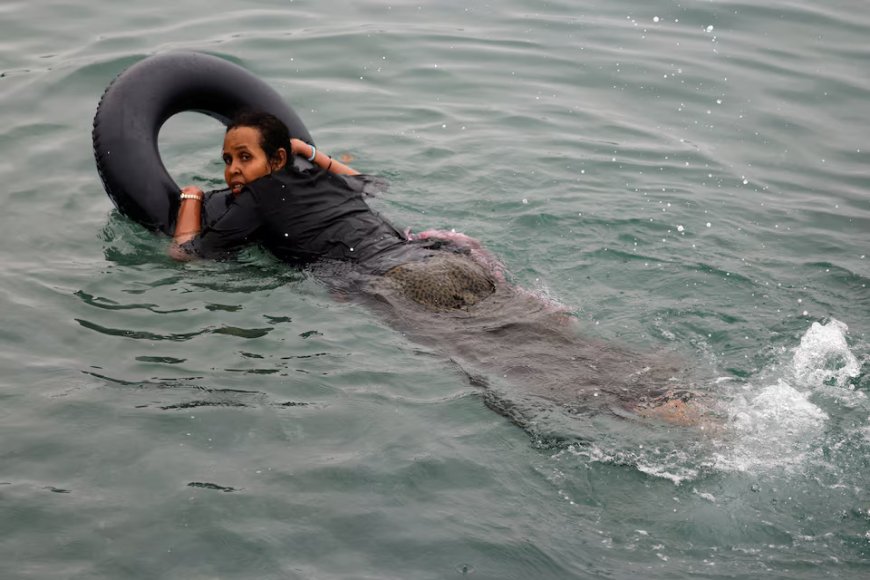
Filiss, 32, from Somalia, uses a float to reach Ceuta by sea during the mass migrant crossing from Morocco into Spain, July 31. 

The Spanish government's representative in Ceuta said 57 bodies had been recovered on the Spanish side of the border, while warning that more victims could be on the Moroccan side.

Authorities said some migrants drowned while attempting to swim around the border, while others were crushed trying to climb the breakwater supporting the border fence.

Ceuta's regional leader, Juan Jesus Vivas, estimated that as many as 60,000 people had crossed into the enclave over the past two days, overwhelming local authorities.
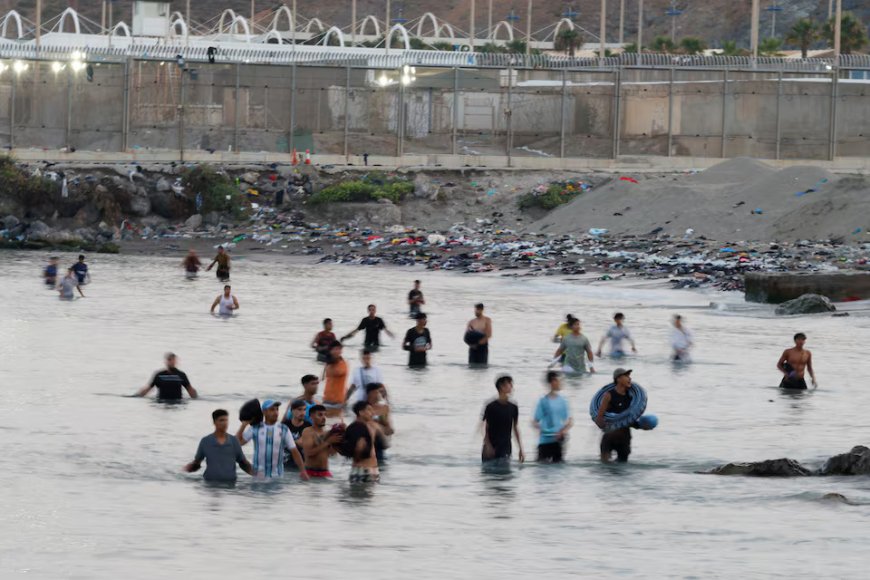
Migrants cross into Ceuta by sea during the mass crossing from Morocco into Spain, July 31.

Moroccan security forces responded by using batons and tear gas to stop fresh groups from reaching the border gates.

Reuters journalists at the scene saw riot police dispersing crowds with tear gas as water cannon trucks were deployed.

Burned remains of a bus and seven vehicles were visible after clashes near the crossing.

On the Spanish side, military vehicles were stationed along sections of the border while hundreds of migrants remained stranded on nearby hills inside Morocco, unable to cross.

The crisis quickly spread beyond Spain's borders, exposing divisions within the European Union over migration.
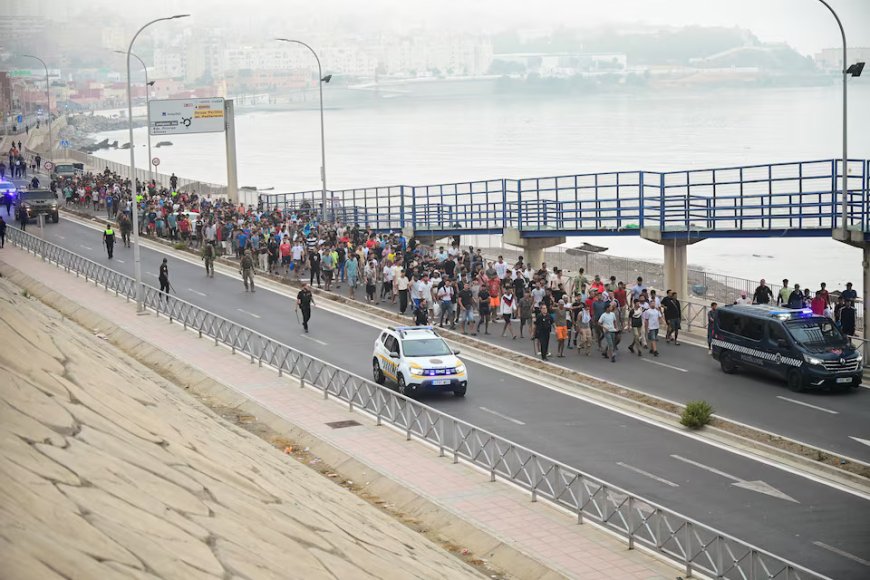
Police and Spanish soldiers escort migrants to the border for deportation after a mass crossing from Morocco into Ceuta, Spain, August 1.

Italy announced it was suspending the Schengen border agreement with Spain, a move that would affect air and sea travel between the two countries. Madrid rejected the decision, saying it breached European Union treaties.

Many migrants who managed to enter Ceuta began returning home after failing to find food or shelter inside the enclave.

"Honestly, I don't even know why I came, and now I'm going back," a young Moroccan man from Tangier told Reuters. "I haven't eaten since lunch yesterday, even though I brought some money with me ... What we're doing is neither good nor enjoyable."

Others described harsh conditions after entering Spanish territory.

"There was no food inside Ceuta and we were kicked out badly by the (Spanish) army," said Ayman, a 20-year-old hairdresser from Larache, who said he reached Ceuta after swimming for five hours.

Spain pushes back mass Ceuta border crossing as deaths rise

Aug 1, 2026 - 11:12
Aug 1, 2026 - 11:29
 0
Spain pushes back mass Ceuta border crossing as deaths rise
Migrants return to Morocco from Ceuta after a mass crossing into the Spanish enclave by land and sea, July 31. Photos: Reuters

Spain said Friday, August 01 it had regained control of its border with the North African enclave of Ceuta after tens of thousands of migrants crossed from Morocco by land and sea in one of the largest mass border crossings in recent years, leaving dozens dead and triggering political tensions across Europe.


Spanish authorities said more than 50,000 people entered Ceuta since Thursday morning, but by Friday evening about 48,300 had already returned voluntarily to Morocco.

Officials said efforts were underway to speed up deportations after what Prime Minister Pedro Sanchez described as a "violation of sovereignty."

Filiss, 32, from Somalia, uses a float to reach Ceuta by sea during the mass migrant crossing from Morocco into Spain, July 31. 

The Spanish government's representative in Ceuta said 57 bodies had been recovered on the Spanish side of the border, while warning that more victims could be on the Moroccan side.

Authorities said some migrants drowned while attempting to swim around the border, while others were crushed trying to climb the breakwater supporting the border fence.

Ceuta's regional leader, Juan Jesus Vivas, estimated that as many as 60,000 people had crossed into the enclave over the past two days, overwhelming local authorities.

Migrants cross into Ceuta by sea during the mass crossing from Morocco into Spain, July 31.

Moroccan security forces responded by using batons and tear gas to stop fresh groups from reaching the border gates.

Reuters journalists at the scene saw riot police dispersing crowds with tear gas as water cannon trucks were deployed.

Burned remains of a bus and seven vehicles were visible after clashes near the crossing.

On the Spanish side, military vehicles were stationed along sections of the border while hundreds of migrants remained stranded on nearby hills inside Morocco, unable to cross.

The crisis quickly spread beyond Spain's borders, exposing divisions within the European Union over migration.

Police and Spanish soldiers escort migrants to the border for deportation after a mass crossing from Morocco into Ceuta, Spain, August 1.

Italy announced it was suspending the Schengen border agreement with Spain, a move that would affect air and sea travel between the two countries. Madrid rejected the decision, saying it breached European Union treaties.

Many migrants who managed to enter Ceuta began returning home after failing to find food or shelter inside the enclave.

"Honestly, I don't even know why I came, and now I'm going back," a young Moroccan man from Tangier told Reuters. "I haven't eaten since lunch yesterday, even though I brought some money with me ... What we're doing is neither good nor enjoyable."

Others described harsh conditions after entering Spanish territory.

"There was no food inside Ceuta and we were kicked out badly by the (Spanish) army," said Ayman, a 20-year-old hairdresser from Larache, who said he reached Ceuta after swimming for five hours.