 English
 Kinyarwanda
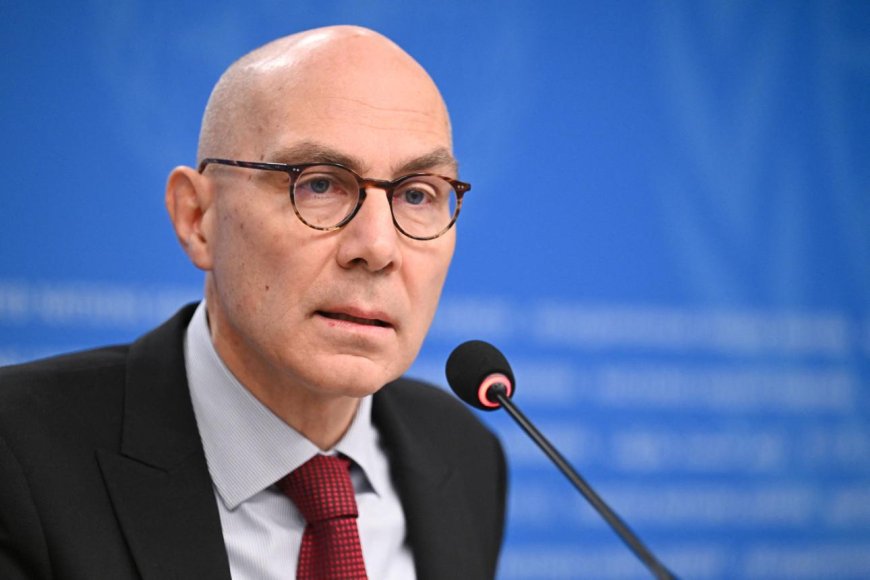
UN Rights Chief accuses Uganda of using military power to silence opposition
Ugandan authorities are using military power to silence political opposition following the January 15 general elections, creating a climate of fear across the country, United Nations High Commissioner for Human Rights Volker Türk said Thursday, July 30.
The UN rights chief said the Government is increasingly targeting political opponents, journalists, human rights defenders and civil society groups, while undermining the rule of law and fundamental freedoms.
“I am appalled that the authorities are increasingly targeting any form of dissent, and deepening restrictions on the fundamental freedoms of all those living in Uganda,” said Türk. “Those who dare to speak out are silenced.”
According to the UN Human Rights Office through chief's statement, at least 50 opposition leaders and supporters, five human rights defenders and five journalists have suffered human rights violations since the January elections.
Reported abuses include enforced disappearances, torture, ill-treatment, and arbitrary arrests or detention under laws that do not comply with international human rights standards.
The Office also said civic space has continued to shrink, with 10 leading civil society organisations suspended since January while others have faced heightened scrutiny and harassment.
It further reported growing military involvement in functions traditionally handled by civilian institutions, alongside the temporary closure of some media outlets.
Türk warned that the restrictions are encouraging self-censorship and weakening public debate.
“The actions of the authorities are creating a climate of fear that is increasing self-censorship, further stifling public debate and deepening polarisation,” said Türk.
He urged Uganda to honour its obligations under international human rights law, the African Charter and the country's Constitution by protecting freedom of expression and ensuring citizens can participate freely in public affairs.
“I call on the Government to abide by its obligations under international human rights law, the African Charter and the Ugandan Constitution to ensure a vibrant civil society where everyone can freely express their views and participate in public affairs,” he added.
The High Commissioner also called on authorities to safeguard the separation of powers and prevent military interference in civilian institutions.
Türk expressed concern over the Protection of Sovereignty Act enacted in May 2026, saying it places sweeping restrictions on international funding and foreign engagement with civil society organisations and carries prison terms of up to 10 years for violations.
He encouraged Uganda to use its economic potential and renewed international financial support to address structural challenges while building an economy that respects human rights.