
US to make visa bond rule permanent, raises maximum to $20,000

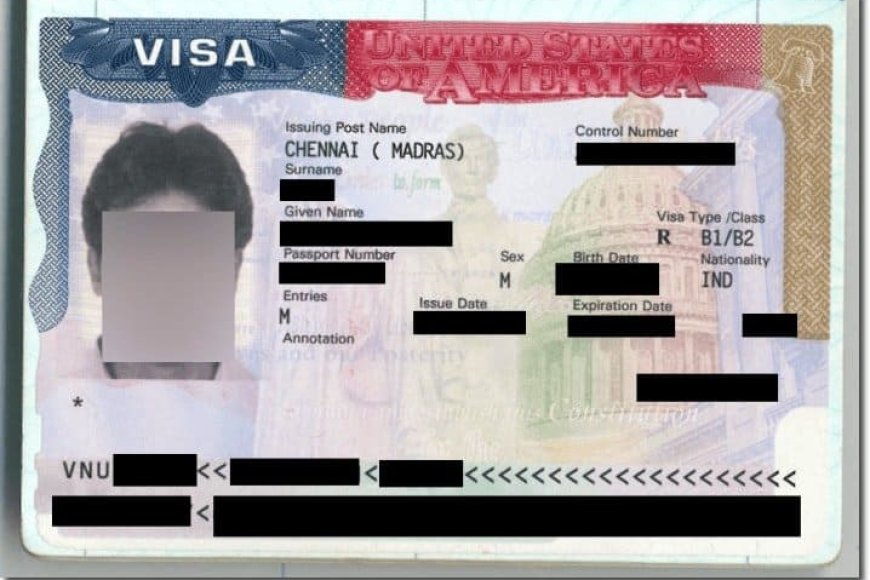
A sample U.S. B1/B2 visitor visa. The U.S. has made permanent a visa bond program requiring some applicants to pay up to $20,000 before receiving visitor visas. Photo: Courtesy

US to make visa bond rule permanent, raises maximum to $20,000

Aug 1, 2026 - 18:54
 0

The United States will permanently require some visitors from 50 countries, most of them in Africa, to pay visa bonds of up to $20,000 before receiving business or tourist visas, under a new rule announced on Friday July 31 as President Donald Trump continues to tighten immigration controls.


A visa bond is a security deposit paid to the government to guarantee that a visitor will not overstay or break the rules of their visa.

The U.S. State Department said the permanent visa bond program will apply to B1 and B2 visas used for business and tourism travel respectively. The rule takes effect on August 3 when it is published in the Federal Register.

Under the policy, consular officers can decide whether applicants from the affected countries must pay a bond before a visa is issued. The money is intended to encourage travelers to leave the United States before their visas expire and reduce visa overstays.

"Consular officers may require covered nonimmigrant visa applicants to post ⁠a bond of up to $20,000 as a condition of visa issuance, as determined by the consular officers," the Federal Register notice said.

The State Department said the decision follows a visa bond pilot program launched in 2025. It said the trial showed the policy could help improve compliance with U.S. immigration rules.

"The 2025 visa bond pilot, which provided a framework for the Department of State, the Department of Homeland Security, and the Department of the Treasury to assess the feasibility of administering a visa bond program, has provided sufficient data to suggest that a visa bond program is an effective tool for enforcing compliance among bonded visa holders."

The earlier pilot allowed bonds of $5,000, $10,000 and up to $15,000. The new rule removes the $5,000 option and increases the maximum bond to $20,000.

The program covers citizens of 50 countries, including 30 African nations. U.S. officials say the measure is aimed at reducing the number of visitors who overstay their visas.

The move is the latest in Trump's broader immigration crackdown. His administration argues stricter immigration rules are needed to strengthen national security and prevent illegal immigration.

However, immigration advocates say the new bond requirement could discourage legitimate business and tourism travel to the United States.

They also argue that the administration has made legal immigration more difficult through higher visa fees and stricter screening, including social media checks for visa applicants and some immigrants already living in the country.

Rights groups have also criticized Trump's immigration policies, saying they undermine free speech and due process while creating fear among ethnic minorities and increasing the risk of racial profiling.

Trump has defended the measures as necessary to protect the country.

US to make visa bond rule permanent, raises maximum to $20,000

Aug 1, 2026 - 18:54
Aug 1, 2026 - 19:00
 0
US to make visa bond rule permanent, raises maximum to $20,000
A sample U.S. B1/B2 visitor visa. The U.S. has made permanent a visa bond program requiring some applicants to pay up to $20,000 before receiving visitor visas. Photo: Courtesy

The United States will permanently require some visitors from 50 countries, most of them in Africa, to pay visa bonds of up to $20,000 before receiving business or tourist visas, under a new rule announced on Friday July 31 as President Donald Trump continues to tighten immigration controls.


A visa bond is a security deposit paid to the government to guarantee that a visitor will not overstay or break the rules of their visa.

The U.S. State Department said the permanent visa bond program will apply to B1 and B2 visas used for business and tourism travel respectively. The rule takes effect on August 3 when it is published in the Federal Register.

Under the policy, consular officers can decide whether applicants from the affected countries must pay a bond before a visa is issued. The money is intended to encourage travelers to leave the United States before their visas expire and reduce visa overstays.

"Consular officers may require covered nonimmigrant visa applicants to post ⁠a bond of up to $20,000 as a condition of visa issuance, as determined by the consular officers," the Federal Register notice said.

The State Department said the decision follows a visa bond pilot program launched in 2025. It said the trial showed the policy could help improve compliance with U.S. immigration rules.

"The 2025 visa bond pilot, which provided a framework for the Department of State, the Department of Homeland Security, and the Department of the Treasury to assess the feasibility of administering a visa bond program, has provided sufficient data to suggest that a visa bond program is an effective tool for enforcing compliance among bonded visa holders."

The earlier pilot allowed bonds of $5,000, $10,000 and up to $15,000. The new rule removes the $5,000 option and increases the maximum bond to $20,000.

The program covers citizens of 50 countries, including 30 African nations. U.S. officials say the measure is aimed at reducing the number of visitors who overstay their visas.

The move is the latest in Trump's broader immigration crackdown. His administration argues stricter immigration rules are needed to strengthen national security and prevent illegal immigration.

However, immigration advocates say the new bond requirement could discourage legitimate business and tourism travel to the United States.

They also argue that the administration has made legal immigration more difficult through higher visa fees and stricter screening, including social media checks for visa applicants and some immigrants already living in the country.

Rights groups have also criticized Trump's immigration policies, saying they undermine free speech and due process while creating fear among ethnic minorities and increasing the risk of racial profiling.

Trump has defended the measures as necessary to protect the country.