 English
 Kinyarwanda

"Don’t Accept Lies": Students Take Charge of History at National Commemoration Launch in Schools

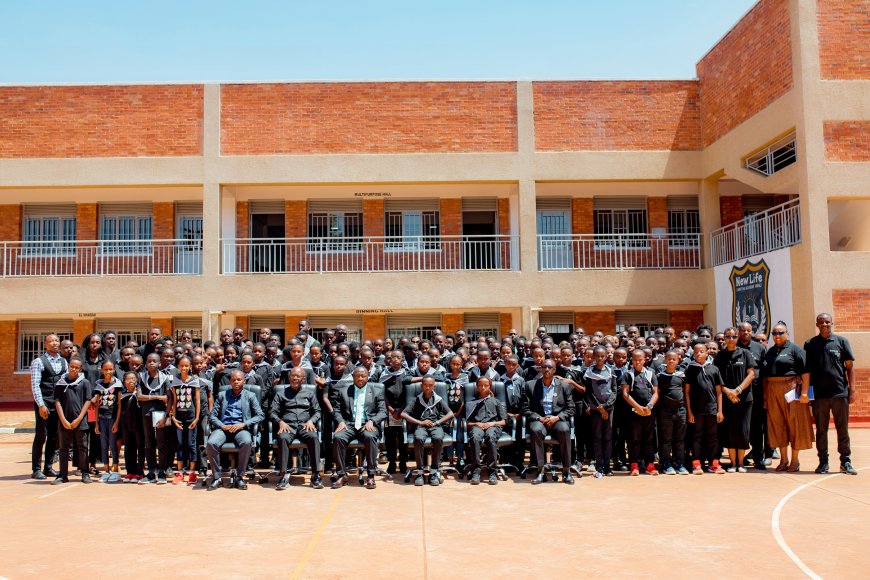
Seventeen-year-old Tess Sabrina Akariza sat quietly among her peers at Kigali New Life Christian Academy in Gatenga, Kicukiro District, reflecting on a history that preceded her birth by over three decades. For the Grade 8 (Senior 2) student, the 32nd Commemoration of the 1994 Genocide against the Tutsi is not just a date on a calendar, but a personal commitment to the future of Rwanda.
The event at the academy on May 08, served as the inaugural activity for a nationwide programme aimed at bringing commemoration events to schools across the country.
Between May 15 and May 30, educational institutions will lead the way in helping the younger generation understand the historical truths of the Genocide against the Tutsi, ensuring that "Never Again" is a lived reality.
"It means to remember, renew and unite our ancestors who were killed because the way they were born," Akariza said during the launch.
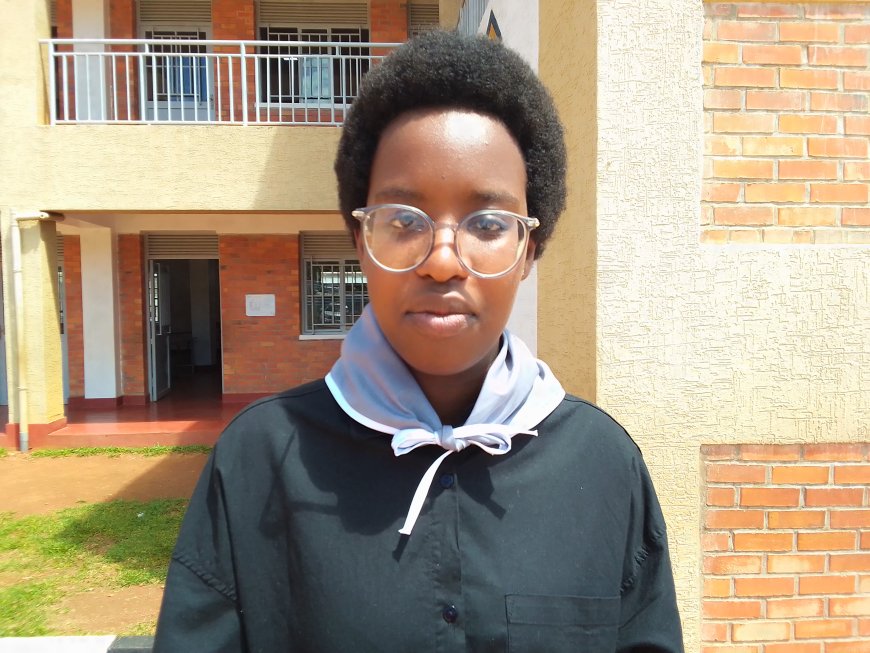
"I learned that as Rwandans, we should unite ourselves and contribute, and to remember those who were killed during 1994 Genocide against the Tutsi, and to give them a great honour, and to not bring back the bad history."
The initiative seeks to close transgenerational gap - between those who witnessed the tragedy and the offsrping.
Eric Mahoro, the Permanent Secretary in the Ministry of Unity and Civic Engagement (MINUBUMWE), explained that the youth are eager for answers that adults must be prepared to give.
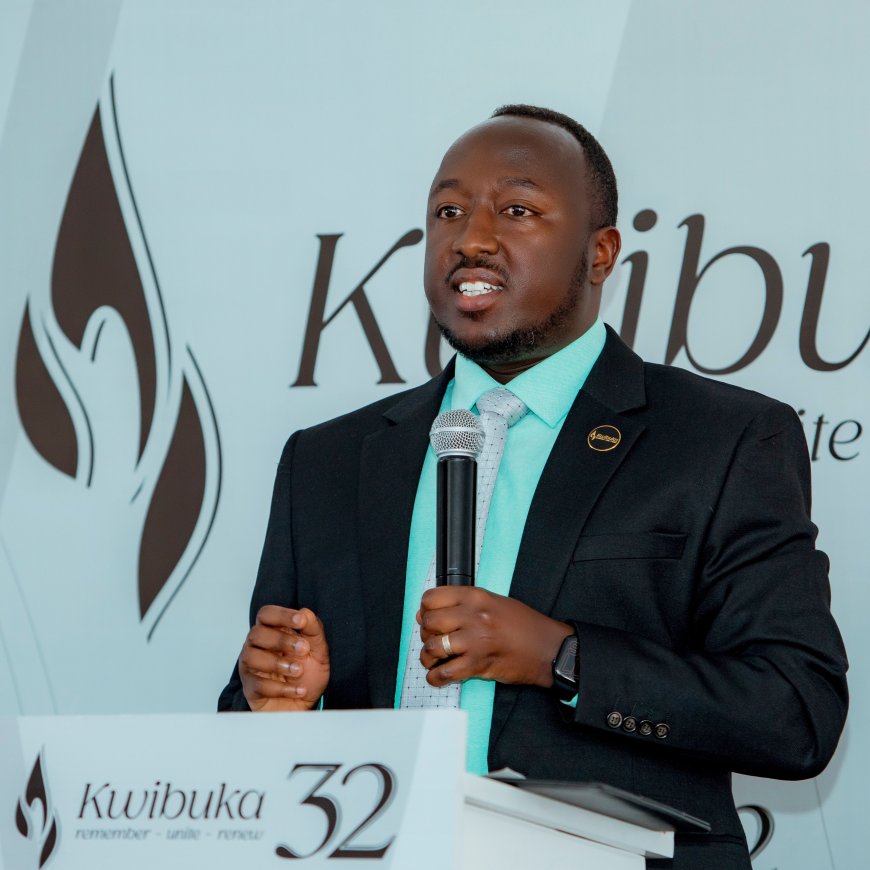
"Even if we do not directly talk to children, they closely observe us when we are remembering, when we express our thoughts, or when we are stressed or happy," Mahoro noted.
"Consequently, they have many questions, particularly regarding the history of Rwanda and, specifically, the history of the Genocide against the Tutsi," he explained.
Mahoro emphasised that the national policy is now anchored on Ndi Umunyarwanda ("I am Rwandan"). He argued that by integrating Peace and Values Education into the curriculum, students will learn to identify and reject hate speech or any form of divisionism as "evil."
Pastor Fred Isaac Katagwa, the Executive Director of Africa New Life Ministries, used a biblical metaphor to describe the country’s journey, referencing Isaiah 66:8 and the resilience of a felled tree.
"In Rwanda, it was as if the tree had been cut by those who had their own ideologies, their plan. The tree was cut. That tree grew again. That tree sprang again," Katagwa told the assembly.
"Today, Rwanda stands as a testimony that from pain can come purpose. That from pain we can praise again. That from tragedy can come transformation," he said.
The students present expressed a sense of responsibility to carry this message beyond the school gates.
Delbert Buriza, another student , spoke about how the session helped him understand how outside influences once "taught us bad things" and "how to separate ourselves."
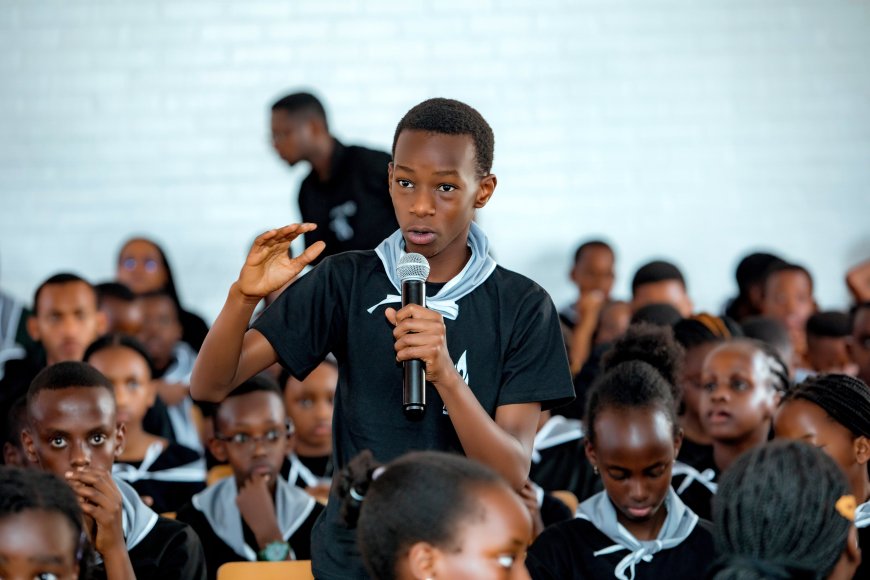
"I'm going to go and to tell the people [students] who do not know, [even] those who come from other countries," Buriza said.
He also issued a direct challenge to his peers across the country to use the tools at their disposal to find the truth.
"Please ask your parents about it, or do research about it. I know some of you have some gadgets and all of that, so take time, even though you may have a lot of homework, think about it, and know what is Kwibuka," Buriza added.
The Ministry urged parents to join schools in this effort rather than delegating the responsibility of history to teachers alone.
Mahoro stressed that the truth must be told "without distorting it," even by those who may have played a negative role in the past.
As the programme moves to other secondary schools across the country later this month, the focus remains on the "human" element of history.
For Akariza, the goal is simple: to gain the knowledge necessary to honor the past while protecting the future.
"I've been curious about genocide against the Tutsi, but when you have parents, you ask them how it started, how it went, and they explain it to you so that it helps us as children, as kids, as teenagers, to learn more things from the history of Rwanda," she said.