 English
 Kinyarwanda

Gaza airstrikes kill 18 despite new ceasefire push

Israeli airstrikes killed at least 18 Palestinians across the Gaza Strip on Sunday, August 2, according to Palestinian medics.
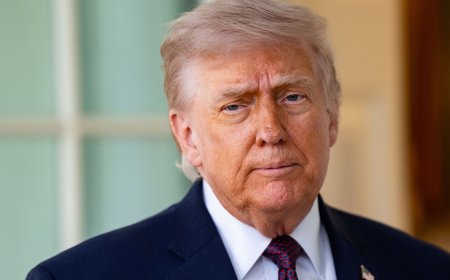
The fighting also continued despite U.S. President Donald Trump's announcement of a breakthrough in efforts to implement last year's ceasefire agreement.
The strikes hit Gaza City, Deir al-Balah and Khan Younis from early morning, marking one of the deadliest days in recent weeks.
The attacks came just days after Trump said Hamas and other Palestinian armed groups had agreed to disarm, raising hopes that the war could move closer to an end.
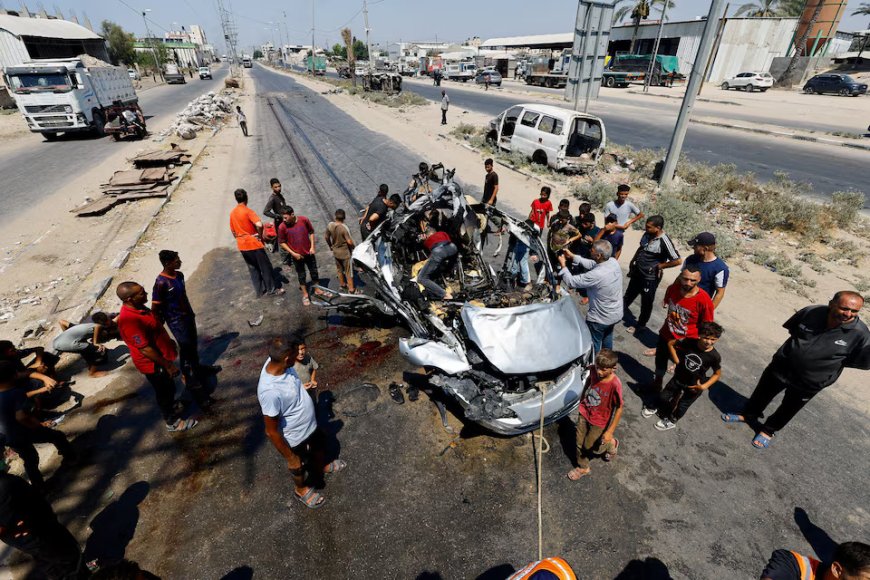
Palestinian health officials said the latest strikes targeted homes, tents sheltering displaced families and a vehicle, leaving civilians, including children, among the dead.
Israel said the attacks were aimed at Hamas commanders and other militants.
In Deir al-Balah, at least four people were killed. Another strike in the nearby Mawasi area wounded five people and set tents on fire, according to emergency services.
Palestinian officials said a couple and their nine-year-old son died when their house in Mawasi was hit.
In Gaza City, another couple and their child were killed after an apartment was struck. Two more people died in a tent near the Egyptian representative mission, while two others were killed later in the city's Zeitoun neighborhood.
A separate strike near Jabalia in northern Gaza killed one person.
Later in the day, medics said an Israeli airstrike on a car near Saraya Square in Gaza City killed at least three more Palestinians.
The Israeli military said a strike on an apartment in Deir al-Balah targeted two commanders from Hamas' elite Nukhba force. It added that operations in Gaza City and Jabalia were aimed at "military operatives" and that reviews of the attacks were continuing.
The violence unfolded as Israel signaled it would not halt military operations without Hamas laying down its weapons.
Israeli Energy Minister Eli Cohen, a member of Prime Minister Benjamin Netanyahu's security cabinet, said the government was willing to give Hamas an opportunity to disarm but doubted it would happen.
"In the deal we signed with the United States, our stance is that Hamas must be dismantled. This is the first thing that must happen,"
Cohen also said there was no agreement to stop Israeli attacks and argued that Israel, which says it already controls about 70 percent of Gaza, should take full control of the territory if Hamas refuses to disarm.
Later, Netanyahu's office said Israel had raised concerns with Washington over the proposed disarmament plan.
Doron Spielman, a spokesperson for the prime minister's office, said:
"The most important concern for Israel is that nothing can happen before Hamas completely and truly disarms ...,"
On Friday, Trump's Board of Peace, the U.S.-led body overseeing the ceasefire process, released a 15-point roadmap outlining the final steps needed to implement the agreement.
Nickolay Mladenov, the board's lead envoy for Gaza, said the latest strikes came even as mediators were working to persuade Palestinian factions to accept the roadmap.
He said on X that he was working with all parties, mediators and regional partners to "de-escalate and create the space for the full implementation of the President's plan".
"Achieving a lasting peace is hard but achievable if everyone makes their best efforts,"
According to Gaza health authorities, at least 1,230 Palestinians have been killed in Israeli strikes since the ceasefire was reached in October.
Hamas does not publish figures on the number of its fighters killed. Israeli officials say four Israeli soldiers have died during the same period.