
How 37-Year-Old Man Disguised Himself as Youth to Hide Genocide Crimes in Rwanda

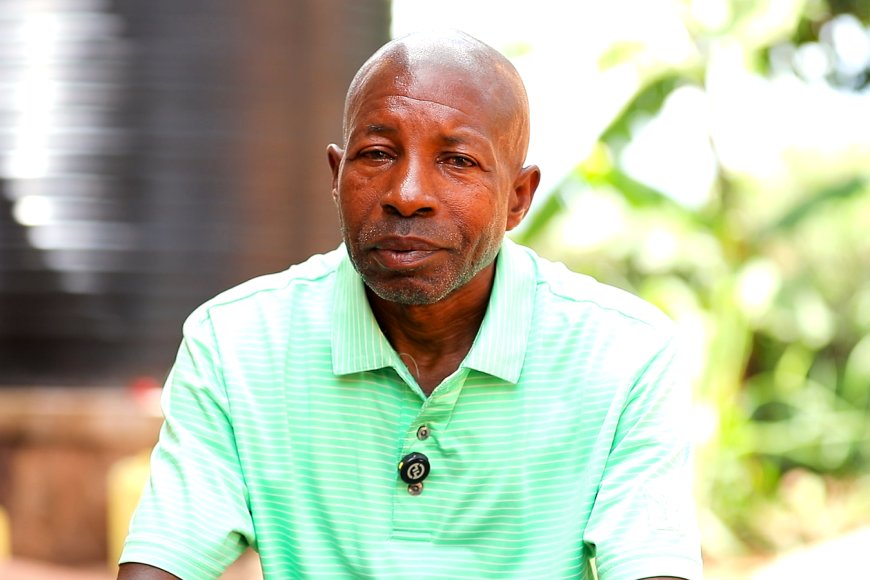
Aloys Hakizimana, a father of two in his late 30s, who successfully eluded justice for years by posing as a dutiful 21-year-old son in Musanze District.

How 37-Year-Old Man Disguised Himself as Youth to Hide Genocide Crimes in Rwanda

Jul 15, 2026 - 05:35
 0

Aloys Hakizimana spent years living as a dutiful 21-year-old son, helping his supposed elderly father in Musanze District. In reality, he was a man in his late 30s, a father of two, hiding a secret in a desperate attempt to escape justice.


Hakizimana had taken part in the 1994 Genocide against the Tutsi before fleeing his home in what is now Ngoma District in Eastern Province.

By reducing his age and assuming a false identity, he hoped to bury his past behind the façade of youthful innocence.

His deception began after he fled the advancing Rwanda Patriotic Front (RPF-Inkotanyi) forces, which were fighting to stop the genocide. After spending time in refugee camps in Tanzania, he returned to Rwanda, relying on an elaborate lie and a fabricated family relationship that enabled him to evade justice for nearly a decade.

According to Hakizimana, his involvement in the killings began shortly after the assassination of former President Juvénal Habyarimana.

Initially, Hutus and Tutsis in his village of Kanzenze stood together to defend themselves against attackers. However, the situation changed when Interahamwe militias returned with soldiers from Kibungo, now part of Ngoma District, to reinforce local militias.

"It did not take long for me to join in the killings because of the indoctrination and the teachings they kept drilling into us," Hakizimana said. "We began searching the bushes, and whenever we found a Tutsi in hiding, they would be killed."

The violence was fuelled by relentless propaganda from the former regime.

Hakizimana recalled being told: "There is no need for further explanation. The Inkotanyi are the Tutsis. They have invaded our country and taken it from us, and they will kill you too if you don't fight back."

When the RPF-Inkotanyi halted the genocide, Hakizimana fled first to Tanzania and later towards Malawi, driven by what he described as "sheer terror" over what he had done.

Along the way, he reunited with an old friend who was travelling to the then Ruhengeri Prefecture, now Musanze District. It was during that journey that they devised the plan that would allow him to disappear.

"I asked him if I could pretend to be his first-born son and he would be my father," Hakizimana explained. "I reduced my age to 20, even though I was actually around 37 or 38, just to make myself look younger."

The deception worked.

For a time, Hakizimana lived as the man's "son", carrying out family responsibilities and even obtaining a new identity card after claiming his original documents had been lost during the war.

"I always had to shave my beard and wear shorts and small-sized T-shirts to make myself look much younger," he said.

The false identity allowed him to move to Kigali with his supposed father, where he found casual work without attracting suspicion.

His carefully constructed lie eventually unraveled near Kanombe military camp.

His "father" had opened a small pub and was recognised by a genocide survivor from their home village. After his arrest, the elderly man disclosed Hakizimana's whereabouts to the authorities.

"I walked straight into them," Hakizimana recalled. "They arrested me and took me to Kanombe Prison."

The two were later transferred to the former 1930 Prison in Kigali before being taken to Rukira Commune, where investigations continued.

In 2001, Hakizimana joined the government's confession and guilty plea programme, submitting a written confession that contributed to a reduced sentence through the Gacaca courts. He was released in 2005.

Although he later completed the national reintegration programme, returning to his community proved emotionally difficult.

"Seeing survivors made me feel like I couldn't even greet them," Hakizimana said. "If I saw someone approaching, instead of greeting them, I would change direction just to avoid them."

The guilt continued to haunt him through recurring nightmares.

"While sleeping, I would hear babies crying and voices shouting, 'There he is! Hand him over!'"

He said the weight of his crimes left him feeling stripped of his humanity.

Today, Hakizimana lives once again in Ngoma District. He credits Rwanda's rehabilitation and reintegration programmes, together with the forgiveness he received, for helping him rebuild his life and live peacefully alongside his community.

More recently, he has participated in community-based healing initiatives led by local and international organisations working to strengthen reconciliation and resilience.

"I am a resilient Rwandan who wants to build the nation," he said. "We saw what happened, and we witnessed the devastation it caused. May it never happen again."
How 37-Year-Old Man Disguised Himself as Youth to Hide Genocide Crimes in Rwanda

Jul 15, 2026 - 05:35
 0
How 37-Year-Old Man Disguised Himself as Youth to Hide Genocide Crimes in Rwanda
Aloys Hakizimana, a father of two in his late 30s, who successfully eluded justice for years by posing as a dutiful 21-year-old son in Musanze District.

Aloys Hakizimana spent years living as a dutiful 21-year-old son, helping his supposed elderly father in Musanze District. In reality, he was a man in his late 30s, a father of two, hiding a secret in a desperate attempt to escape justice.


Hakizimana had taken part in the 1994 Genocide against the Tutsi before fleeing his home in what is now Ngoma District in Eastern Province.

By reducing his age and assuming a false identity, he hoped to bury his past behind the façade of youthful innocence.

His deception began after he fled the advancing Rwanda Patriotic Front (RPF-Inkotanyi) forces, which were fighting to stop the genocide. After spending time in refugee camps in Tanzania, he returned to Rwanda, relying on an elaborate lie and a fabricated family relationship that enabled him to evade justice for nearly a decade.

According to Hakizimana, his involvement in the killings began shortly after the assassination of former President Juvénal Habyarimana.

Initially, Hutus and Tutsis in his village of Kanzenze stood together to defend themselves against attackers. However, the situation changed when Interahamwe militias returned with soldiers from Kibungo, now part of Ngoma District, to reinforce local militias.

"It did not take long for me to join in the killings because of the indoctrination and the teachings they kept drilling into us," Hakizimana said. "We began searching the bushes, and whenever we found a Tutsi in hiding, they would be killed."

The violence was fuelled by relentless propaganda from the former regime.

Hakizimana recalled being told: "There is no need for further explanation. The Inkotanyi are the Tutsis. They have invaded our country and taken it from us, and they will kill you too if you don't fight back."

When the RPF-Inkotanyi halted the genocide, Hakizimana fled first to Tanzania and later towards Malawi, driven by what he described as "sheer terror" over what he had done.

Along the way, he reunited with an old friend who was travelling to the then Ruhengeri Prefecture, now Musanze District. It was during that journey that they devised the plan that would allow him to disappear.

"I asked him if I could pretend to be his first-born son and he would be my father," Hakizimana explained. "I reduced my age to 20, even though I was actually around 37 or 38, just to make myself look younger."

The deception worked.

For a time, Hakizimana lived as the man's "son", carrying out family responsibilities and even obtaining a new identity card after claiming his original documents had been lost during the war.

"I always had to shave my beard and wear shorts and small-sized T-shirts to make myself look much younger," he said.

The false identity allowed him to move to Kigali with his supposed father, where he found casual work without attracting suspicion.

His carefully constructed lie eventually unraveled near Kanombe military camp.

His "father" had opened a small pub and was recognised by a genocide survivor from their home village. After his arrest, the elderly man disclosed Hakizimana's whereabouts to the authorities.

"I walked straight into them," Hakizimana recalled. "They arrested me and took me to Kanombe Prison."

The two were later transferred to the former 1930 Prison in Kigali before being taken to Rukira Commune, where investigations continued.

In 2001, Hakizimana joined the government's confession and guilty plea programme, submitting a written confession that contributed to a reduced sentence through the Gacaca courts. He was released in 2005.

Although he later completed the national reintegration programme, returning to his community proved emotionally difficult.

"Seeing survivors made me feel like I couldn't even greet them," Hakizimana said. "If I saw someone approaching, instead of greeting them, I would change direction just to avoid them."

The guilt continued to haunt him through recurring nightmares.

"While sleeping, I would hear babies crying and voices shouting, 'There he is! Hand him over!'"

He said the weight of his crimes left him feeling stripped of his humanity.

Today, Hakizimana lives once again in Ngoma District. He credits Rwanda's rehabilitation and reintegration programmes, together with the forgiveness he received, for helping him rebuild his life and live peacefully alongside his community.

More recently, he has participated in community-based healing initiatives led by local and international organisations working to strengthen reconciliation and resilience.

"I am a resilient Rwandan who wants to build the nation," he said. "We saw what happened, and we witnessed the devastation it caused. May it never happen again."