
How Somali women are leading community reconciliation, peacebuilding

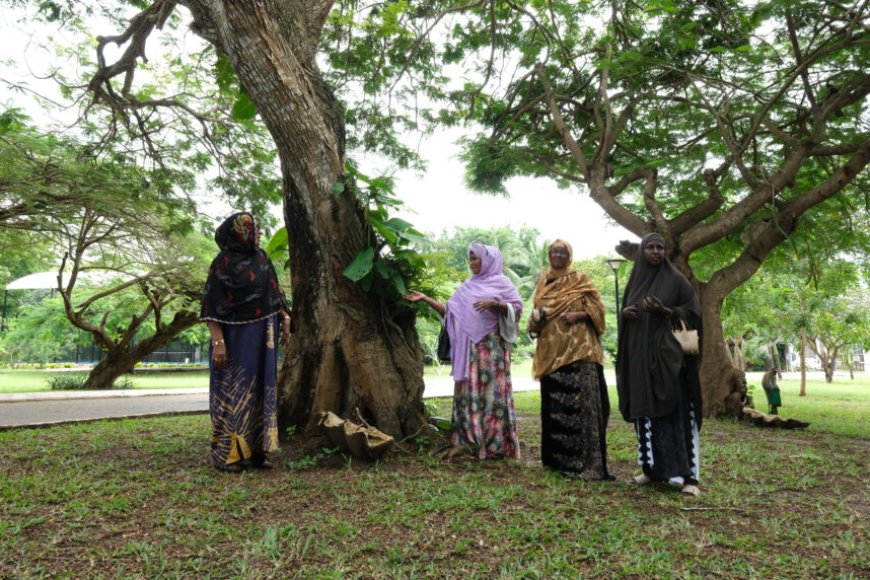
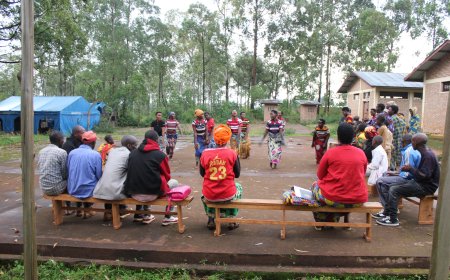
Participants at a Women, Peace and Security workshop discuss local approaches to dialogue, mediation and community-led peacebuilding in Somalia. Photo: Berghof Foundation

How Somali women are leading community reconciliation, peacebuilding

Jul 31, 2026 - 09:34
 0

Women in Somalia are playing a vital but often overlooked role in building peace, proving that lasting reconciliation begins in communities long before it reaches negotiating tables.


Drawing on experiences from the Berghof Foundation's work in Somalia, Zainab Mohamed, a Project Manager supporting local peacebuilders through the Insider Peacebuilders Network (IPN), highlights how women are leading dialogue, mediation and reconciliation in a country that has endured decades of conflict and social divisions.

While women are frequently portrayed as victims of war, Mohamed argues that they are increasingly emerging as architects of peace, creating opportunities for communities to heal despite persistent insecurity, patriarchal norms and clan-based tensions.

"Women's inclusion is not just a moral imperative, it is a practical necessity for building sustainable peace from the ground up," she writes.

According to Mohamed, the Insider Peacebuilders Network, a grassroots network of Somali peace actors supported by Berghof Foundation, has enabled women to facilitate meaningful dialogue among communities affected by conflict. Through this work, she says she has witnessed "the strength, strategic brilliance and courage of Somali women who are not merely surviving conflict but actively reshaping their communities in its wake."

One example comes from Balad district, where a young woman challenged years of mistrust between four neighbourhoods that had little interaction and, in some cases, a history of violent clashes.

Despite initial skepticism, she proposed organising a football tournament known as the "Peace Cup", believing that peace could begin with simple human connections. The tournament eventually brought together young people, local musicians and residents from across the divided communities, transforming suspicion into celebration and creating a new space for dialogue.

Elsewhere, in Beledweyne, women demonstrated another form of leadership through mediation.

A member of the Insider Peacebuilders Network mobilised 40 women to intervene in a land dispute that had driven a wedge between two communities once regarded as brothers and sisters.

Carrying white flags and a hand-painted banner reading, "Reconcile! Preserve land and children!", the women organised a symbolic peace march that encouraged dialogue despite resistance rooted in gender stereotypes.

Mohamed says the mediator's persistence, neutrality and commitment eventually helped the rival communities resolve the dispute and restore cooperation.

In another incident that illustrates the courage of local women peacebuilders, an elderly woman reportedly prevented the killing of a kidnapped member of the peace network by confronting his captors and declaring him to be her own son.

"If you kill him, consider me dead as well," she told them, warning that revenge would only fuel further violence. Her intervention ultimately helped avert another cycle of bloodshed.

According to Mohamed, these stories demonstrate that successful peacebuilding is not confined to formal negotiations or high-level diplomacy.

"Many people believe that a successful peace deal is a transactional agreement achieved through high-level diplomacy. However, grassroots change at the local level must not be overlooked when the goal is sustainable, long-term peace," she notes.

From football fields and peace marches to mediation efforts and acts of extraordinary personal courage, Somali women continue to rebuild trust where conflict once prevailed.

Mohamed believes these examples are not isolated cases but reflect the daily efforts of countless women who are helping to restore relationships, strengthen social cohesion and foster hope across Somalia.

She calls for greater recognition and direct support for women peacebuilders, urging governments, donors and international partners to listen to their priorities and invest in their work.


This story is based on an article by Zainab Mohamed, Project Manager at Berghof Foundation, originally published by the organisation.
How Somali women are leading community reconciliation, peacebuilding

Jul 31, 2026 - 09:34
Jul 31, 2026 - 09:33
 0
How Somali women are leading community reconciliation, peacebuilding
Participants at a Women, Peace and Security workshop discuss local approaches to dialogue, mediation and community-led peacebuilding in Somalia. Photo: Berghof Foundation

Women in Somalia are playing a vital but often overlooked role in building peace, proving that lasting reconciliation begins in communities long before it reaches negotiating tables.


Drawing on experiences from the Berghof Foundation's work in Somalia, Zainab Mohamed, a Project Manager supporting local peacebuilders through the Insider Peacebuilders Network (IPN), highlights how women are leading dialogue, mediation and reconciliation in a country that has endured decades of conflict and social divisions.

While women are frequently portrayed as victims of war, Mohamed argues that they are increasingly emerging as architects of peace, creating opportunities for communities to heal despite persistent insecurity, patriarchal norms and clan-based tensions.

"Women's inclusion is not just a moral imperative, it is a practical necessity for building sustainable peace from the ground up," she writes.

According to Mohamed, the Insider Peacebuilders Network, a grassroots network of Somali peace actors supported by Berghof Foundation, has enabled women to facilitate meaningful dialogue among communities affected by conflict. Through this work, she says she has witnessed "the strength, strategic brilliance and courage of Somali women who are not merely surviving conflict but actively reshaping their communities in its wake."

One example comes from Balad district, where a young woman challenged years of mistrust between four neighbourhoods that had little interaction and, in some cases, a history of violent clashes.

Despite initial skepticism, she proposed organising a football tournament known as the "Peace Cup", believing that peace could begin with simple human connections. The tournament eventually brought together young people, local musicians and residents from across the divided communities, transforming suspicion into celebration and creating a new space for dialogue.

Elsewhere, in Beledweyne, women demonstrated another form of leadership through mediation.

A member of the Insider Peacebuilders Network mobilised 40 women to intervene in a land dispute that had driven a wedge between two communities once regarded as brothers and sisters.

Carrying white flags and a hand-painted banner reading, "Reconcile! Preserve land and children!", the women organised a symbolic peace march that encouraged dialogue despite resistance rooted in gender stereotypes.

Mohamed says the mediator's persistence, neutrality and commitment eventually helped the rival communities resolve the dispute and restore cooperation.

In another incident that illustrates the courage of local women peacebuilders, an elderly woman reportedly prevented the killing of a kidnapped member of the peace network by confronting his captors and declaring him to be her own son.

"If you kill him, consider me dead as well," she told them, warning that revenge would only fuel further violence. Her intervention ultimately helped avert another cycle of bloodshed.

According to Mohamed, these stories demonstrate that successful peacebuilding is not confined to formal negotiations or high-level diplomacy.

"Many people believe that a successful peace deal is a transactional agreement achieved through high-level diplomacy. However, grassroots change at the local level must not be overlooked when the goal is sustainable, long-term peace," she notes.

From football fields and peace marches to mediation efforts and acts of extraordinary personal courage, Somali women continue to rebuild trust where conflict once prevailed.

Mohamed believes these examples are not isolated cases but reflect the daily efforts of countless women who are helping to restore relationships, strengthen social cohesion and foster hope across Somalia.

She calls for greater recognition and direct support for women peacebuilders, urging governments, donors and international partners to listen to their priorities and invest in their work.


This story is based on an article by Zainab Mohamed, Project Manager at Berghof Foundation, originally published by the organisation.