 English
 Kinyarwanda
International Crisis Group urges Hormuz initiative to secure global food supply

The International Crisis Group (ICG) is calling for an urgent diplomatic breakthrough to protect global food security as a widening Middle East conflict threatens to block one of the world’s most vital maritime corridors.
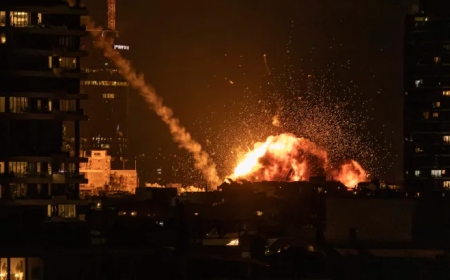
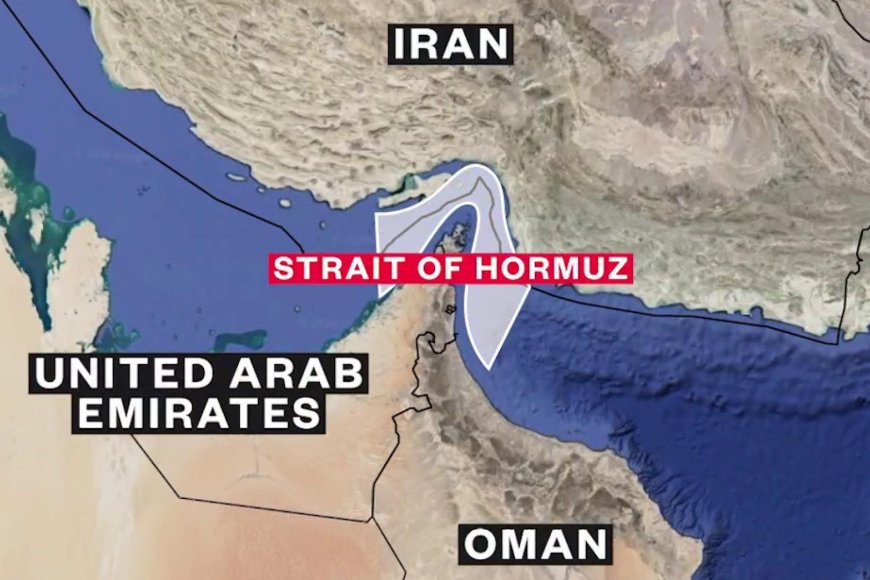
In a report released on March 30, the ICG warned that retaliatory attacks in the Strait of Hormuz have crippled the transit of energy and agricultural supplies.
The disruption now affects one-third of the global fertilizer trade, sparking fears of a worldwide hunger crisis.
The proposed “Hormuz Initiative” would mirror the 2022 Black Sea grain deal. It seeks to create a safe passage for food and agricultural materials despite the ongoing military campaign between U.S.-Israeli forces and Iran that began on February 28.
According to the ICG, the impact of the current naval blockade will be felt globally, but the consequences for the world’s most vulnerable populations are immediate.
“The impact will be felt around the world, but the pain will be especially acute for small farmers in poor countries, for whom fertiliser represents a large portion of production costs,” the ICG stated in a report.
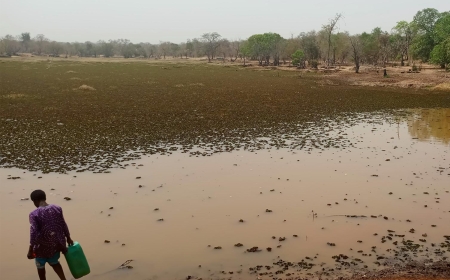
The organization warned that these farmers are likely to react by planting fewer crops. This shift could create even more scarcity in regions already devastated by conflict, such as war-ravaged Sudan.
The crisis stems from a string of Iranian attacks on large ships in southern coast. These actions followed the start of the U.S.-Israeli military campaign last month. The resulting maritime instability has sharply curtailed traffic through the Strait, forcing shipping costs to climb and supplies to stall.
Diplomats suggest that waiting for a total ceasefire may take too long to prevent a humanitarian disaster. Instead, they point to the 2022 Black Sea Grain Initiative, brokered by the UN and Türkiye, as a successful blueprint for moving essential goods through active war zones.
The Black Sea effort did not stop the war between Russia and Ukraine, but it allowed millions of tonnes of grain to reach the market. This led to a drop in essential food prices, providing a lifeline for families in the Global South who spend a high percentage of their income on food.
To replicate this success in the Gulf, the United Nations has announced a task force to address the disruption. This group is floating an operational mechanism to permit the transit of fertilizer, humanitarian aid, and select commercial imports.
The ICG report recommends that this task force work alongside the UN Secretary-General’s new envoy for the Middle East to bring together maritime and humanitarian specialists.
“The focus should be narrow: working with all parties to develop a mechanism that allows for the unhindered flow of fertiliser, related intermediate materials (such as sulfur and ammonia) and food through the Strait, whether outgoing or incoming,” the ICG issued in report.
The report emphasizes that this initiative would remain independent of any military plans to open the Strait by force. Experts believe a diplomatic corridor would serve the interests of both Washington and Tehran.
For Iran, as report shows, such a deal would protect its own internal food security. It would also support Tehran’s claim that its control of the waterway is only intended to target groups involved in war rather than the global population.
For the United States and its allies, the initiative would lower the economic costs of the conflict and provide relief to global consumers and farmers.
While the ICG maintains that the ultimate goal remains ending the “enormously damaging war,” the current reality requires immediate steps to manage the fallout.
“The prospect of continued or even more destructive confrontation should also focus minds” on securing the world’s food supply before the damage becomes irreversible, ICG stated, noting that conflict shows no signs of a pause.