 English
 Kinyarwanda

Iran Silent as U.S. Peace Deadline passes

Diplomatic efforts to end two months of war remained delayed early Saturday as the United States (U.S.) waited for a response from Tehran on a critical proposal to halt hostilities.
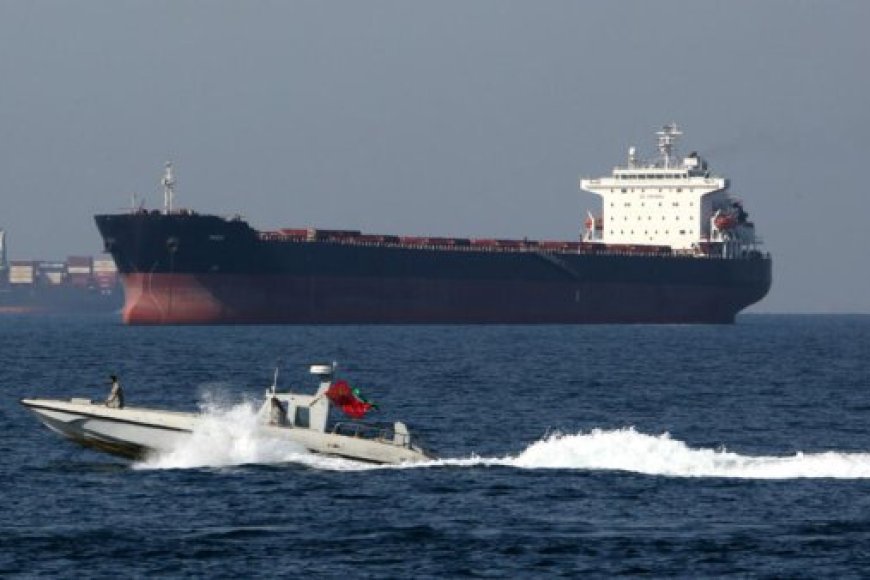
Despite a relative calm returning to the Strait of Hormuz following days of sporadic attacks, there has been no movement from Iran regarding the U.S. plan.
The proposal seeks a formal end to the fighting before addressing more contentious issues, including Iran’s nuclear program.
U.S. Secretary of State Marco Rubio stated on Friday that Washington expected an answer "within hours," but that window has passed without a breakthrough.
Shipping data shows a Qatari liquefied natural gas (LNG) tanker currently sailing toward the Strait of Hormuz, reflecting the temporary lull in regional flare-ups. However, internal U.S. intelligence suggests the conflict could be prolonged.
A CIA analysis indicates that Iran is capable of withstanding the current U.S. naval blockade for several months, potentially complicating Washington's efforts to force a quick resolution.
The U.S. continues to lobby allies for stronger support, even as it engages in back-channel diplomacy.
On Saturday, Secretary Rubio met with Qatari Prime Minister Mohammed bin Abdulrahman al‑Thani in Miami.
While the State Department did not explicitly name Iran in its summary of the meeting, it confirmed the leaders discussed the necessity of working together "to deter threats and promote stability and security across the Middle East," according to an official statement.
The timeline for a resolution remains a point of focus for the White House. I
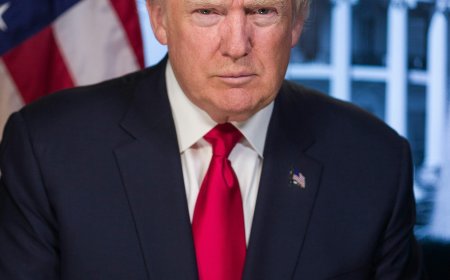
n a brief interview with French broadcaster LCI on Saturday, Donald Trump indicated that he is still monitoring the situation closely.
Reporter Margot Haddad noted that Trump told her he still expected to find out Iran’s answer "very soon".
For now, the world remains on edge as the silence from Tehran continues to delay the start of formal peace talks.