
Kagame to Co-Chair New UN Global AI Commission
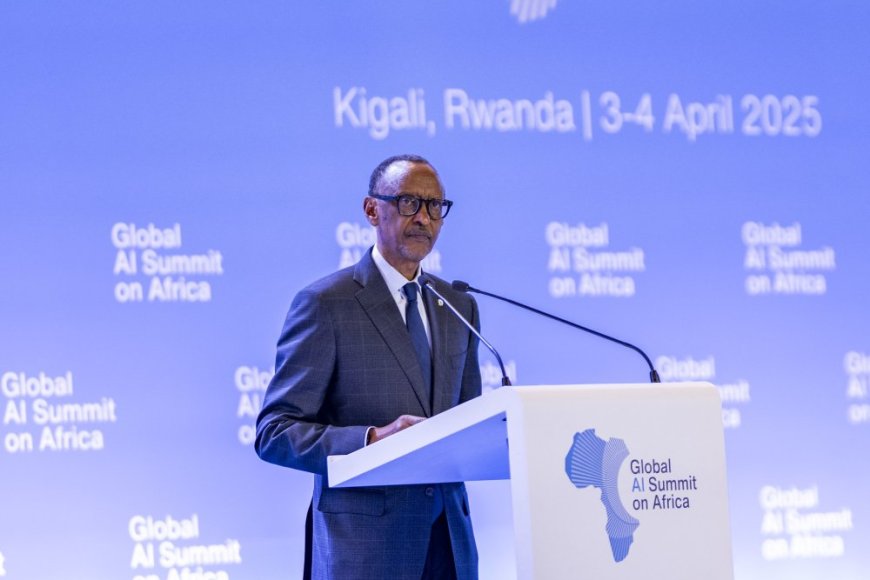
Rwandan President Paul Kagame, has been appointed co-chair of the UN’s new AI for Good Global Commission to drive responsible and inclusive AI development worldwide.

Kagame to Co-Chair New UN Global AI Commission

Jul 8, 2026 - 15:40
 0

Rwandan President Paul Kagame has been appointed co-chair of the newly established AI for Good Global Commission, a United Nations initiative tasked with steering the safe and equitable development of artificial intelligence worldwide.


Kagame shares the leadership of the body with Marc Benioff, the co-founder and chief executive of global software company Salesforce.

Established under the UN’s International Telecommunication Union (ITU), the commission features 44 founding members. ITU Secretary-General Doreen Bogdan-Martin will serve as the Vice-Chair.

The high-level panel brings together prominent figures from governments, private companies, and international organizations. Among the founding members are Estonian President Alar Karis and Iceland’s President Halla Tómasdóttir.

According to Village Urugwiro, President Kagame will attend the commission's inaugural meeting here in Geneva.

The launch coincides with the ITU’s AI for Good Global Summit 2026, running from July 7-10, where delegates are gathering to debate the immediate future of artificial intelligence.

The United Nations formed the commission to unite global leaders against the legal, ethical, and practical challenges of rapid AI deployment.

The group's primary mandate is to find practical pathways to strengthen trust in AI, back responsible innovation, and anchor the technology to global socio-economic development.

Moving forward, members are expected to design actionable solutions to promote inclusive and safe AI systems.

Initial meetings will map out immediate priorities, including tightening international cooperation, expanding technology access, and managing the risks linked to AI's rapid pace of advancement.

A major baseline focus for the commission will be closing global digital divides. Current ITU estimates show that roughly 2.2 billion people worldwide remain completely offline, entirely cut off from the benefits of modern digital tools and AI.

The commission stated its ultimate goal is to ensure artificial intelligence serves as a tool to solve global challenges, rather than a force that widens existing inequalities for communities in developing countries.


Kagame to Co-Chair New UN Global AI Commission

Jul 8, 2026 - 15:40
 0
Kagame to Co-Chair New UN Global AI Commission
Rwandan President Paul Kagame, has been appointed co-chair of the UN’s new AI for Good Global Commission to drive responsible and inclusive AI development worldwide.

Rwandan President Paul Kagame has been appointed co-chair of the newly established AI for Good Global Commission, a United Nations initiative tasked with steering the safe and equitable development of artificial intelligence worldwide.


Kagame shares the leadership of the body with Marc Benioff, the co-founder and chief executive of global software company Salesforce.

Established under the UN’s International Telecommunication Union (ITU), the commission features 44 founding members. ITU Secretary-General Doreen Bogdan-Martin will serve as the Vice-Chair.

The high-level panel brings together prominent figures from governments, private companies, and international organizations. Among the founding members are Estonian President Alar Karis and Iceland’s President Halla Tómasdóttir.

According to Village Urugwiro, President Kagame will attend the commission's inaugural meeting here in Geneva.

The launch coincides with the ITU’s AI for Good Global Summit 2026, running from July 7-10, where delegates are gathering to debate the immediate future of artificial intelligence.

The United Nations formed the commission to unite global leaders against the legal, ethical, and practical challenges of rapid AI deployment.

The group's primary mandate is to find practical pathways to strengthen trust in AI, back responsible innovation, and anchor the technology to global socio-economic development.

Moving forward, members are expected to design actionable solutions to promote inclusive and safe AI systems.

Initial meetings will map out immediate priorities, including tightening international cooperation, expanding technology access, and managing the risks linked to AI's rapid pace of advancement.

A major baseline focus for the commission will be closing global digital divides. Current ITU estimates show that roughly 2.2 billion people worldwide remain completely offline, entirely cut off from the benefits of modern digital tools and AI.

The commission stated its ultimate goal is to ensure artificial intelligence serves as a tool to solve global challenges, rather than a force that widens existing inequalities for communities in developing countries.