
Kiziguro Genocide Memorial: How Does Facing History Equip Young Rwandans to Confront Genocide Denial?

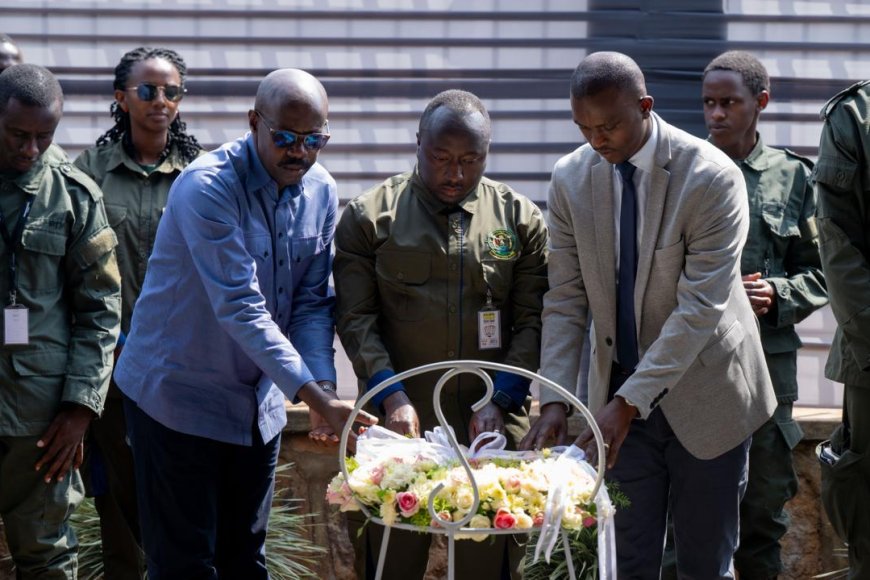
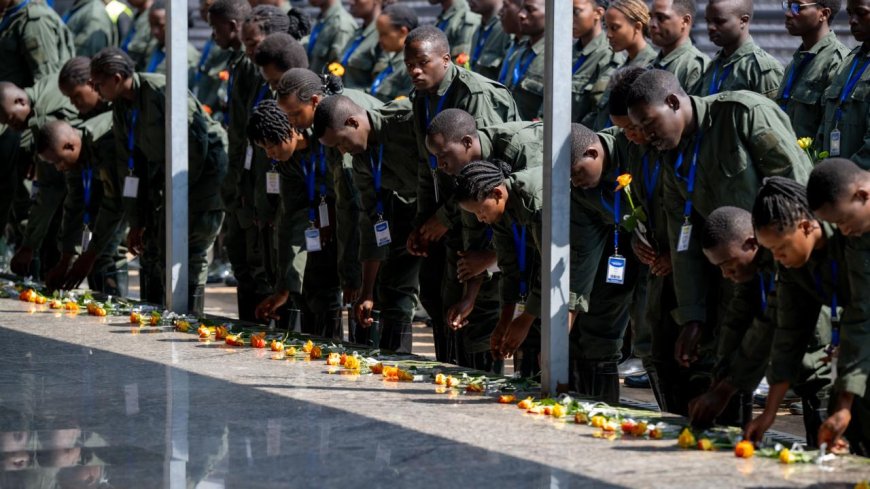
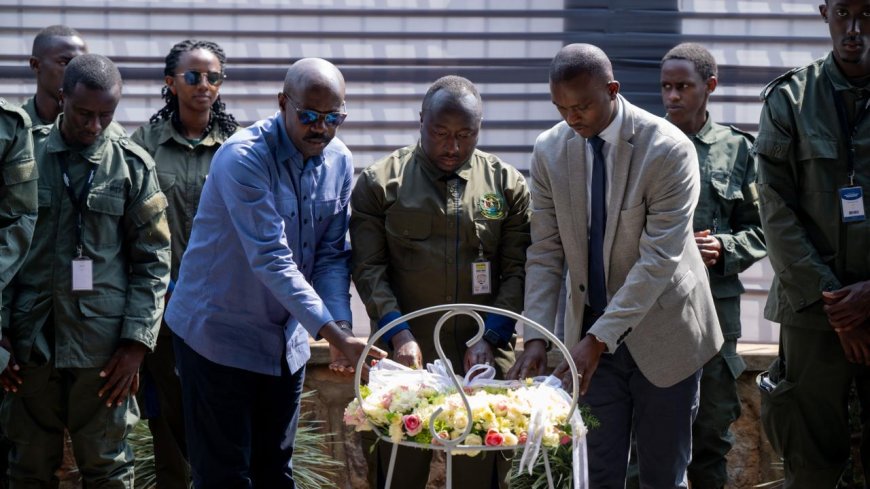
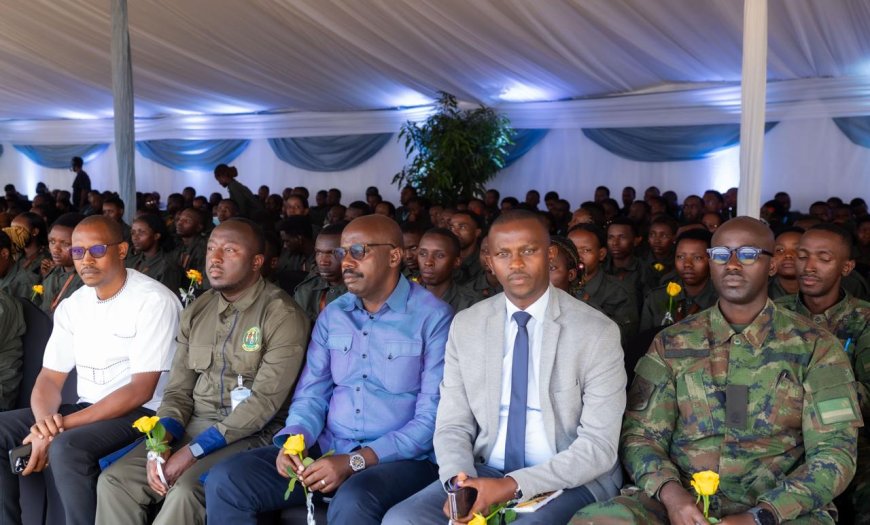
Participants lay flowers to pay tribute to victims of the 1994 Genocide against the Tutsi at the Kiziguro Genocide Memorial in Gatsibo District.

Kiziguro Genocide Memorial: How Does Facing History Equip Young Rwandans to Confront Genocide Denial?

Jul 22, 2026 - 21:39
 0

Standing quietly near the mass graves holding more than 23,000 victims of the 1994 Genocide against the Tutsi, 20-year-old Kalinda Linda Amanda realized that everything she thought she knew about her homeland's past was only a small part of the truth.


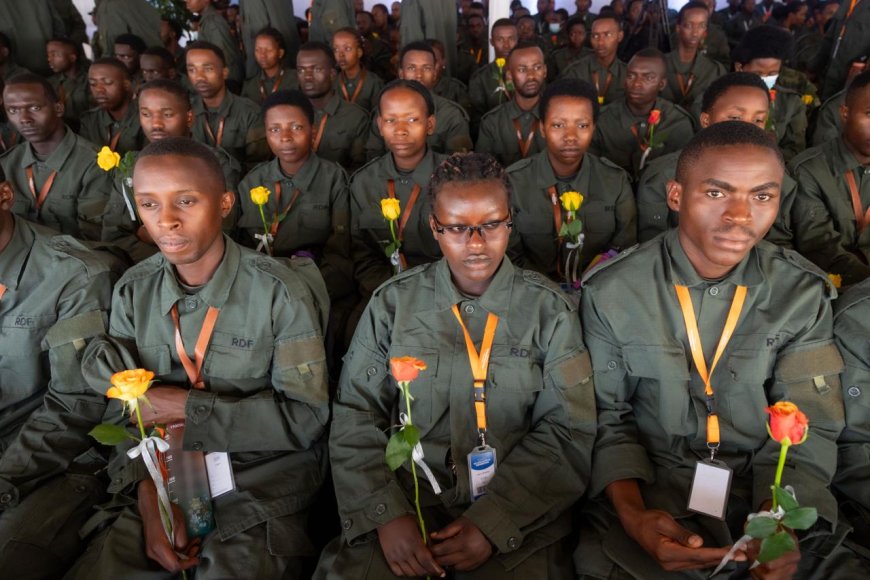
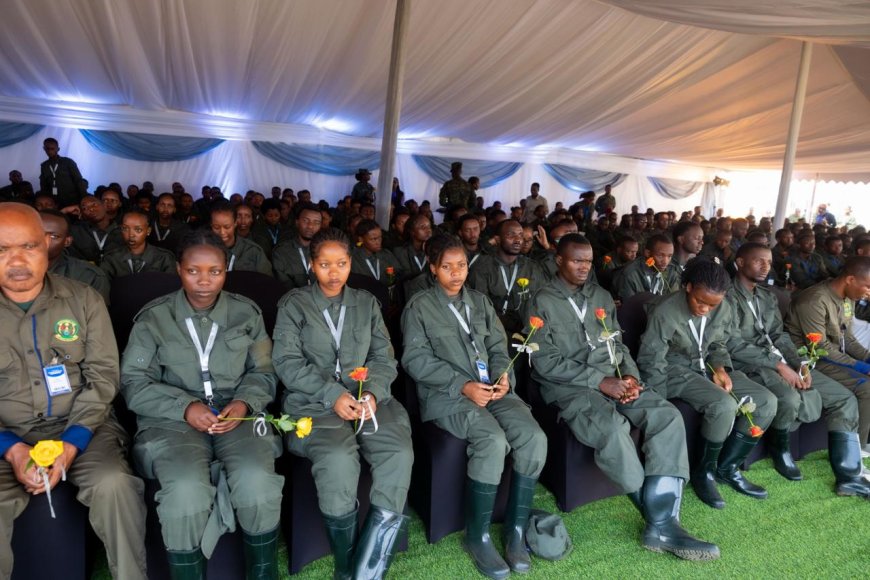
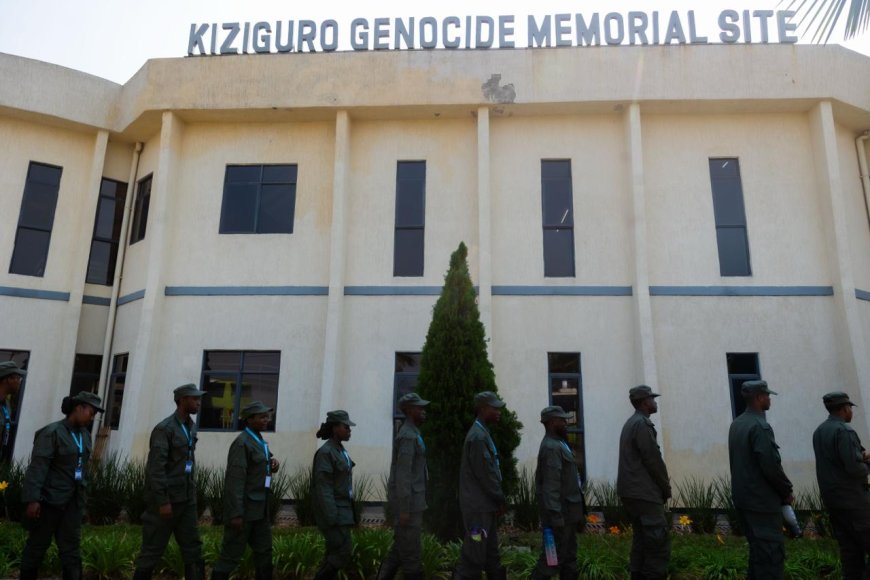
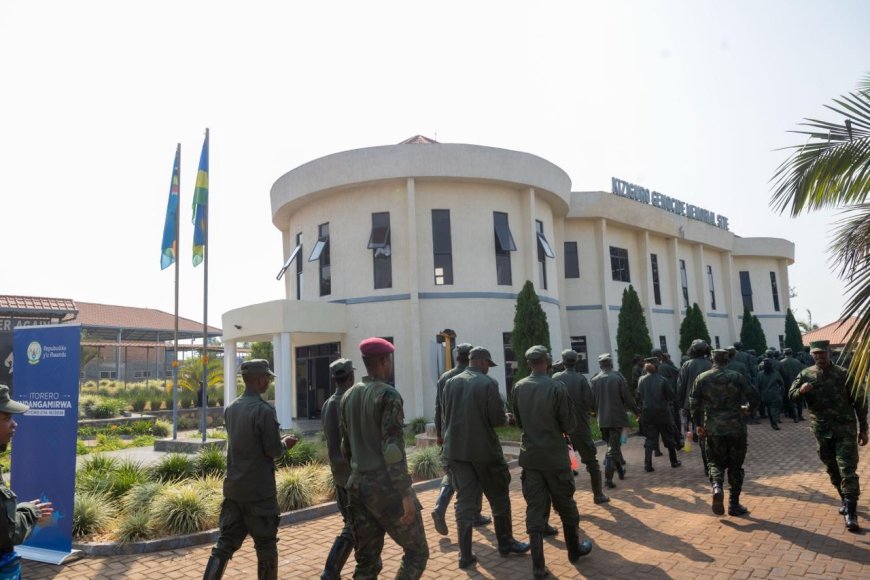
She was among 771 youth from the 16th cohort of the Itorero Indangamirwa civic training program who visited the Kiziguro Genocide Memorial in Gatsibo District on Wednesday, July 22.

The cohort—comprising young Rwandans living or studying abroad, graduates from international secondary schools in Rwanda, university students, and top performers from the 13th cohort of Urugerero rw'Inkomezabigwi—gathered at the site to gain a deeper, unvarnished understanding of the nation’s history.

Located in what was formerly Murambi Commune, Kiziguro stands as a symbol of the systematic planning and brutality of the genocide. 

For these young participants, the visit was designed to turn historical facts into personal lessons, anchoring their civic duty in truth, unity, and the responsibility to counter genocide denial across the globe.
Uncovering the Depth of History

Kalinda, a professional American interpreter and the child of two genocide survivors, admitted that despite growing up with the transgenerational impact of the tragedy, seeing the physical reality and hearing directly from survivors shifted her perspective entirely.

"I felt like I had a lot of knowledge already about our country, but after coming here I realised that what I know is basically nothing," Kalinda said. "Coming to Itorero, I feel like it has deepened my understanding of the people that saved our country and took it from what it was in '1994."

She explained that hearing direct accounts revealed historical realities she had not previously grasped, such as the prolonged persecution that preceded the mass killings.

"For example, I didn't know that they were being tortured and not sleeping in their houses even before 1994," she noted.

Offering advice to young people living across the world, Kalinda urged her peers not to view history as an isolated past event.

"It does concern you and you should get educated so much more on your country and its history because it's going to deepen your understanding more of your country and its citizens and yourself as well in some way," she added.

Confronting Ideology with Factual Evidence

For 20-year-old Audric Mupenzi, an economics student at Carleton University, hearing the direct testimony of a survivor provided insights that textbooks could never capture.

"All of us have the base knowledge of how the genocide was because it's our history, but hearing it from someone like Mr. Jean-Paul himself who was to it, it showed me the insights," Mupenzi said. "He was telling us about how the government actually helped the Interahamwe to kill other brothers and sisters over."

Mupenzi noted that understanding the mechanics of the genocide makes it clear that dangerous ideologies are not a thing of the past.

"Me learning these things really helped me consider how the genocide ideology is not something that is far-fetched even in today's world, some people still have it and some people still deny genocide ideologies," he said, recalling how over one million people were killed in 90 days—a rate of over 10,000 victims a day.

The Proof of State Involvement and the Path to Healing

Shekinah Ishimwe, a 19-year-old student at Middlesex University Dubai, emphasized that visiting physical sites provides undeniable proof of what happened,by highlighting how survivor accounts proved the state organized the killings, rather than it being a spontaneous fight between neighbors. 

"Like Mr. Jean-Paul said, he saw that every Interahamwe that came had a new machete. This is a proof of funding. Nobody used the machete that they had at home. No. The government funded," Ishimwe explained. "And those are proofs. And those are things that show that it really happened."

Ishimwe added that denying these facts inflicts further psychological harm on survivors.

"When their past, when their traumas are denied, it brings in more pain than healing," she said, noting that understanding the past also highlights the power of Rwanda's recovery. "What I learned here in particular is how forgiveness has a great importance because it rebuilt our nation and erased completely the ideology of genocide as a whole."

A History Built on Division, Reversed by Choice

The Kiziguro site reflects the severe brutality overseen by former Bourgmestre Jean Baptiste Gatete, who was later convicted of genocide crimes and sentenced to 40 years in prison.

The roots of the violence trace back to 1962 under President Grégoire Kayibanda’s regime, continuing through President Juvénal Habyarimana’s administration from 1973, where systemic hatred was taught, and Tutsis were systematically excluded from schools, work, and public life.

Providing broader context on the visit, Eric Mahoro, Permanent Secretary in the Ministry of National Unity and Civic Engagement (MINUBUMWE), explained that understanding this long trajectory of divisionism helps young people make better choices for the nation's future.
Mahoro noted that the Genocide against the Tutsi was rooted in discrimination introduced during colonial rule and sustained by post-colonial governments that incited citizens against one another.

"Here, we want this history to serve as a lesson to make better choices—especially for the youth born after the Genocide," Mahoro explained. "It is about remembering the value of choosing unity, which was one of the pivotal choices made by the Government of National Unity that allows us to continue rebuilding ourselves today."

He stressed that instilling values in the youth through Itorero prepares them to be principled leaders as they prepare to take on key responsibilities in their studies and careers.

"Our future—the future of Rwanda—will only be bright if this young generation continues to understand this history and consistently reaffirms their choice to remain united," Mahoro said.
Kiziguro Genocide Memorial: How Does Facing History Equip Young Rwandans to Confront Genocide Denial?

Jul 22, 2026 - 21:39
Jul 22, 2026 - 21:45
 0
Kiziguro Genocide Memorial: How Does Facing History Equip Young Rwandans to Confront Genocide Denial?
Participants lay flowers to pay tribute to victims of the 1994 Genocide against the Tutsi at the Kiziguro Genocide Memorial in Gatsibo District.

Standing quietly near the mass graves holding more than 23,000 victims of the 1994 Genocide against the Tutsi, 20-year-old Kalinda Linda Amanda realized that everything she thought she knew about her homeland's past was only a small part of the truth.


She was among 771 youth from the 16th cohort of the Itorero Indangamirwa civic training program who visited the Kiziguro Genocide Memorial in Gatsibo District on Wednesday, July 22.

The cohort—comprising young Rwandans living or studying abroad, graduates from international secondary schools in Rwanda, university students, and top performers from the 13th cohort of Urugerero rw'Inkomezabigwi—gathered at the site to gain a deeper, unvarnished understanding of the nation’s history.

Located in what was formerly Murambi Commune, Kiziguro stands as a symbol of the systematic planning and brutality of the genocide. 

For these young participants, the visit was designed to turn historical facts into personal lessons, anchoring their civic duty in truth, unity, and the responsibility to counter genocide denial across the globe.

Uncovering the Depth of History

Kalinda, a professional American interpreter and the child of two genocide survivors, admitted that despite growing up with the transgenerational impact of the tragedy, seeing the physical reality and hearing directly from survivors shifted her perspective entirely.

"I felt like I had a lot of knowledge already about our country, but after coming here I realised that what I know is basically nothing," Kalinda said. "Coming to Itorero, I feel like it has deepened my understanding of the people that saved our country and took it from what it was in '1994."

She explained that hearing direct accounts revealed historical realities she had not previously grasped, such as the prolonged persecution that preceded the mass killings.

"For example, I didn't know that they were being tortured and not sleeping in their houses even before 1994," she noted.

Offering advice to young people living across the world, Kalinda urged her peers not to view history as an isolated past event.

"It does concern you and you should get educated so much more on your country and its history because it's going to deepen your understanding more of your country and its citizens and yourself as well in some way," she added.

Confronting Ideology with Factual Evidence

For 20-year-old Audric Mupenzi, an economics student at Carleton University, hearing the direct testimony of a survivor provided insights that textbooks could never capture.

"All of us have the base knowledge of how the genocide was because it's our history, but hearing it from someone like Mr. Jean-Paul himself who was to it, it showed me the insights," Mupenzi said. "He was telling us about how the government actually helped the Interahamwe to kill other brothers and sisters over."

Mupenzi noted that understanding the mechanics of the genocide makes it clear that dangerous ideologies are not a thing of the past.

"Me learning these things really helped me consider how the genocide ideology is not something that is far-fetched even in today's world, some people still have it and some people still deny genocide ideologies," he said, recalling how over one million people were killed in 90 days—a rate of over 10,000 victims a day.

The Proof of State Involvement and the Path to Healing

Shekinah Ishimwe, a 19-year-old student at Middlesex University Dubai, emphasized that visiting physical sites provides undeniable proof of what happened,by highlighting how survivor accounts proved the state organized the killings, rather than it being a spontaneous fight between neighbors. 

"Like Mr. Jean-Paul said, he saw that every Interahamwe that came had a new machete. This is a proof of funding. Nobody used the machete that they had at home. No. The government funded," Ishimwe explained. "And those are proofs. And those are things that show that it really happened."

Ishimwe added that denying these facts inflicts further psychological harm on survivors.

"When their past, when their traumas are denied, it brings in more pain than healing," she said, noting that understanding the past also highlights the power of Rwanda's recovery. "What I learned here in particular is how forgiveness has a great importance because it rebuilt our nation and erased completely the ideology of genocide as a whole."

A History Built on Division, Reversed by Choice

The Kiziguro site reflects the severe brutality overseen by former Bourgmestre Jean Baptiste Gatete, who was later convicted of genocide crimes and sentenced to 40 years in prison.

The roots of the violence trace back to 1962 under President Grégoire Kayibanda’s regime, continuing through President Juvénal Habyarimana’s administration from 1973, where systemic hatred was taught, and Tutsis were systematically excluded from schools, work, and public life.

Providing broader context on the visit, Eric Mahoro, Permanent Secretary in the Ministry of National Unity and Civic Engagement (MINUBUMWE), explained that understanding this long trajectory of divisionism helps young people make better choices for the nation's future.

Mahoro noted that the Genocide against the Tutsi was rooted in discrimination introduced during colonial rule and sustained by post-colonial governments that incited citizens against one another.

"Here, we want this history to serve as a lesson to make better choices—especially for the youth born after the Genocide," Mahoro explained. "It is about remembering the value of choosing unity, which was one of the pivotal choices made by the Government of National Unity that allows us to continue rebuilding ourselves today."

He stressed that instilling values in the youth through Itorero prepares them to be principled leaders as they prepare to take on key responsibilities in their studies and careers.

"Our future—the future of Rwanda—will only be bright if this young generation continues to understand this history and consistently reaffirms their choice to remain united," Mahoro said.