 English
 Kinyarwanda

Ruhango: "Black chamber" to unveil identities of genocide fugitives
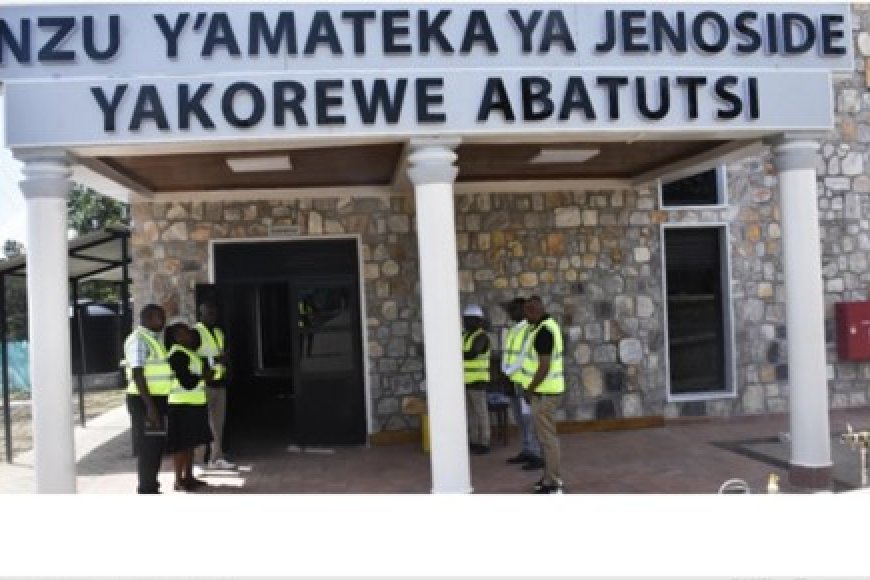
A new Genocide Museum under construction in Ruhango District will feature a special section called the “Chambre Noire” (Black Chamber) to expose the architects of the 1994 Genocide against the Tutsi.
The facility, located in the Kinazi Sector of the Amayaga region, is scheduled for completion in 2026.
According to report by The New Times, the museum aims to document the individuals who planned and directed the systematic killings, ensuring that the history of fugitives who remain at large is never forgotten.
“We are still carefully planning the different sections of the museum, and they have not yet been finalised. However, among them is the ‘Black Chamber’,” Ruhango District Mayor Valens Habarurema told The New Times.
Mayor Habarurema explained that the space is designed to help visitors understand that the history of genocide suspects remains even if they have not been taken into arrested.
He added that the project serves as “a way to support survivors in coming to terms with the past and finding a sense of peace.”
The "Chambre Noire" will display photographs and profiles of suspected masterminds, including local leaders and international figures.
Evode Munyurangabo, president of the Amayaga Genocide Survivors Foundation (AGSF), stated that the chamber will provide a detailed look at those responsible for the atrocities in the region.
“The ‘Chambre Noire’ will include the names and images of those who have not yet been tried, including former local leaders, Burundians who took part in the killings, and other key figures such as members of the Bagosora group,” Munyurangabo said.
Beyond the "Black Chamber," the museum will serve as a comprehensive educational and memorial site. It will include the “Jardin de Mémoire” (Memorial Garden) to provide a space for reflection and a learning center for the youth.
Ruhango District counts four main genocide memorials such as Kinazi, which holds 63,293 victims; Ruhango (22,233); Kabagari (6,618); and Mbuye (5,022).
The new museum will work alongside these existing sites to offer a deeper look at how the genocide happened in the Ntongwe area and throughout Rwanda.