 English
 Kinyarwanda

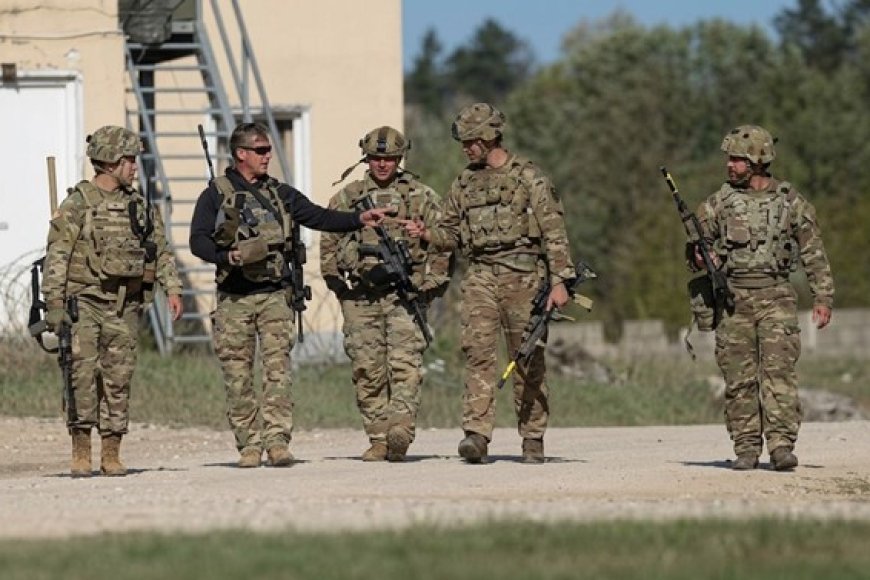
Trump Orders 5,000 Troops Out of Germany as Iran War Tension Surges

The United States will withdraw 5,000 troops from Germany, the Pentagon announced Friday, May 1, marking a major escalation in the rift between President Donald Trump and European allies over the war in Iran.
The withdrawal, expected to be completed within six to 12 months, follows a week of public argument between Trump and German Chancellor Friedrich Merz.
Merz claimed Monday that Iranians were "humiliating" the U.S. in peace talks and questioned Washington’s lack of a clear exit strategy for the two-month-old conflict.
A senior Pentagon official, speaking on condition of anonymity as cited in Reuters report, said recent German rhetoric had been "inappropriate and unhelpful."
"The president is rightly reacting to these counterproductive remarks," the official said.
The move will bring U.S. troop levels in Europe back to roughly pre-2022 levels, reversing the buildup initiated by former President Joe Biden following Russia's invasion of Ukraine.
Germany currently hosts approximately 35,000 active-duty U.S. personnel, the highest concentration in Europe.
The withdrawal is a reminder of Trump’s willingness to penalize allies he perceives as disloyal.
The administration has pressured Europe to become the primary security provider on the continent while simultaneously lashing out at NATO members for failing to support U.S. operations in Iran.
The Pentagon official noted the administration’s mounting impatience: "The president has been very clear about his frustrations about our allies' rhetoric and failure to provide support for U.S. operations that benefit them."
The diplomatic friction sparked by the Iran conflict is rapidly extending beyond Berlin to other major European capitals.
In Spain, President Trump recently threatened a full trade embargo after the Socialist leadership refused to grant U.S. forces access to Spanish bases or airspace for attacks on Iran.
This follows a sharp public rebuke of Italian Prime Minister Giorgia Meloni in April, whom Trump stated "lacked courage and had let Washington down."
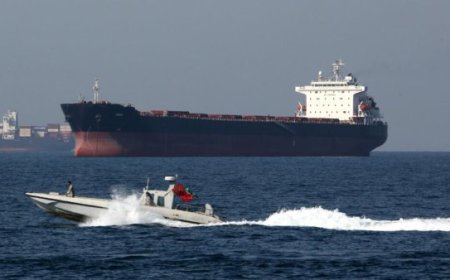
The president has further chastised NATO allies for failing to deploy their navies to the Strait of Hormuz, which remains virtually shut and continues to cause turmoil in global energy markets.
Escalating these tensions, a recently surfaced internal Pentagon email outlined aggressive options to "punish" allies perceived as unsupportive of U.S. military operations.
The document suggests the potential suspension of Spain from NATO as a direct consequence of its refusal to cooperate.
Furthermore, the memo indicates the U.S. is considering a review of its position on Britain’s claim to the Falkland Islands, a move that underscores Washington's increasing willingness to leverage sensitive territorial disputes against long-standing security partners.
As part of the reduction, a brigade combat team currently stationed in Germany will be removed. Additionally, a long-range fires battalion that was scheduled for deployment later this year will no longer be sent.
German military officials expressed surprise at the announcement, according Reuters, citing "constructive meetings" at the Pentagon earlier this week. They argued that Germany has supported the war effort by permitting overflights and hosting a major military hospital in Landstuhl.
Merz also noted that the German government recently approved a 2027 budget with a "strong commitment" to increase defense spending.
However, Merz maintained that Europeans were never consulted before U.S. and Israel forces began attacking Iran on February 28.
While Trump attempted a similar 12,000-troop reduction during his first term that was never enacted, this 5,000-troop cut appears set for implementation.
Imran Bayoumi, a former Pentagon official now with the Atlantic Council, warned the move risks a permanent fracture. "European leaders will likely push more to bolster their defense spending, viewing Washington as increasingly unreliable and untrustworthy," Bayoumi said.
When asked Thursday if further withdrawals from Italy or Spain were possible, Trump responded, "probably."