
US Launches Strikes on Iran After Strait of Hormuz Closure and Regional Attacks

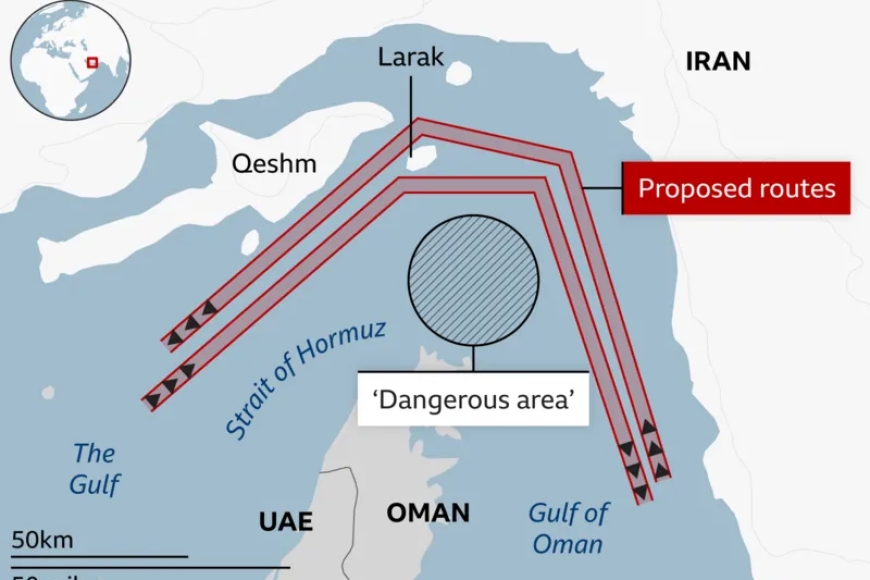
The IRGC has said ships must use their proposed route through the Strait of Hormuz. Photo: Telegram

US Launches Strikes on Iran After Strait of Hormuz Closure and Regional Attacks

Jul 12, 2026 - 11:08
 0

The United States (US) military has launched retaliatory airstrikes hitting 140 Iranian targets after Tehran shut down the strategic Strait of Hormuz, attacked a commercial vessel, and triggered a multi-front military escalation across the Middle East on Sunday, July 12.


US Central Command (Centcom) confirmed this is the third round of strikes conducted this week.

The operation, according to BBC targeted Iranian missile and drone sites, communication networks, and coastal surveillance locations. 

The heavy bombardment followed an Islamic Revolutionary Guard Corps (IRGC) assault on a Cyprus-flagged vessel navigating the crucial shipping lane.

Earlier on Sunday, Iranian state media announced that the IRGC had closed the Strait of Hormuz until further notice.

The closure was initiated after Iranian forces fired a naval cruise missile at a commercial ship that Tehran claimed was attempting to sail along an unapproved route.

According to a statement carried by Iran's state news agency, the Guards claimed the vessel was "hit by warning shots and stopped" after ignoring repeated instructions.

However, maritime authorities reported a far more severe situation. Centcom stated that the targeted vessel, the MV GFS Galaxy, was "unable to continue its journey" after sustaining significant damage to its engine room when it was "blatantly attacked" by the IRGC. One civilian crew member remains missing.

The UK's Maritime Trade Operations (UKMTO) confirmed it was informed by military authorities that the situation forced the crew to abandon ship, leaving them stranded in a lifeboat.

The strikes drew an immediate, sharp response from top US officials.

In an official statement shared to X, Centcom condemned Tehran’s actions.

"Iran was provided yet another opportunity to demonstrate adherence to the Memorandum of Understanding after being held accountable for earlier attacks on commercial vessels but has again failed," Centcom wrote.

US Secretary of Defense Pete Hegseth reposted the statement, adding: "Iran made a poor choice. Now they pay."

The IRGC confirmed the heavy impact of the American bombardment, stating that the US military had targeted "a number of coastal bases and telecommunications towers on the southern coast".

In response to the American strikes, the conflict rapidly widened across the region.

The IRGC announced that its "first phase" of retaliation included a direct strike on the Prince Hassan Air Base in Jordan. Iranian authorities claimed the assault successfully destroyed the base's command and control centre and MQ9 drone hangars.

Within hours of the US strikes, regional defenses were activated across multiple nations. The United Arab Emirates, Qatar, Kuwait, and Bahrain were all forced to respond to incoming missiles and drones launched from Iran.

Earlier this week, three commercial tankers were attacked, triggering an intense back-and-forth exchange of strikes between Washington and Tehran.

The IRGC has warned of a severe response to any future US "aggression" resulting from the waterway's closure, threatening that new military bases across the region will be targeted if conflict continues.
US Launches Strikes on Iran After Strait of Hormuz Closure and Regional Attacks

Jul 12, 2026 - 11:08
Jul 12, 2026 - 17:39
 0
US Launches Strikes on Iran After Strait of Hormuz Closure and Regional Attacks
The IRGC has said ships must use their proposed route through the Strait of Hormuz. Photo: Telegram

The United States (US) military has launched retaliatory airstrikes hitting 140 Iranian targets after Tehran shut down the strategic Strait of Hormuz, attacked a commercial vessel, and triggered a multi-front military escalation across the Middle East on Sunday, July 12.


US Central Command (Centcom) confirmed this is the third round of strikes conducted this week.

The operation, according to BBC targeted Iranian missile and drone sites, communication networks, and coastal surveillance locations. 

The heavy bombardment followed an Islamic Revolutionary Guard Corps (IRGC) assault on a Cyprus-flagged vessel navigating the crucial shipping lane.

Earlier on Sunday, Iranian state media announced that the IRGC had closed the Strait of Hormuz until further notice.

The closure was initiated after Iranian forces fired a naval cruise missile at a commercial ship that Tehran claimed was attempting to sail along an unapproved route.

According to a statement carried by Iran's state news agency, the Guards claimed the vessel was "hit by warning shots and stopped" after ignoring repeated instructions.

However, maritime authorities reported a far more severe situation. Centcom stated that the targeted vessel, the MV GFS Galaxy, was "unable to continue its journey" after sustaining significant damage to its engine room when it was "blatantly attacked" by the IRGC. One civilian crew member remains missing.

The UK's Maritime Trade Operations (UKMTO) confirmed it was informed by military authorities that the situation forced the crew to abandon ship, leaving them stranded in a lifeboat.

The strikes drew an immediate, sharp response from top US officials.

In an official statement shared to X, Centcom condemned Tehran’s actions.

"Iran was provided yet another opportunity to demonstrate adherence to the Memorandum of Understanding after being held accountable for earlier attacks on commercial vessels but has again failed," Centcom wrote.

US Secretary of Defense Pete Hegseth reposted the statement, adding: "Iran made a poor choice. Now they pay."

The IRGC confirmed the heavy impact of the American bombardment, stating that the US military had targeted "a number of coastal bases and telecommunications towers on the southern coast".

In response to the American strikes, the conflict rapidly widened across the region.

The IRGC announced that its "first phase" of retaliation included a direct strike on the Prince Hassan Air Base in Jordan. Iranian authorities claimed the assault successfully destroyed the base's command and control centre and MQ9 drone hangars.

Within hours of the US strikes, regional defenses were activated across multiple nations. The United Arab Emirates, Qatar, Kuwait, and Bahrain were all forced to respond to incoming missiles and drones launched from Iran.

Earlier this week, three commercial tankers were attacked, triggering an intense back-and-forth exchange of strikes between Washington and Tehran.

The IRGC has warned of a severe response to any future US "aggression" resulting from the waterway's closure, threatening that new military bases across the region will be targeted if conflict continues.