 English
 Kinyarwanda

Why should you care about 21 politicians remembered for opposing Genocide?
In the April of 1994, Rwanda fall away into the darkness of the Genocide against the Tutsi; most chose silence or complicity. But 21 individuals—men and women from different parties and backgrounds, chose a different path. Today, their names are etched at the Rebero Genocide Memorial, in Kicukiro District, Kigali City, not just as victims, but as heroes who risked everything to defend the soul of a nation.
Caring about their story is about more than history; it is about understanding the cost of moral courage.
On April 13, Rwanda concluded the National Mourning Week with a ceremony honouring these politicians who were killed for opposing the 1994 Genocide against the Tutsi.
In the ceremony held at Rebero Genocide Memorial, Rwandans, government officials, members of the diplomatic corps accredited to Kigali came together to pay their tributes to the politicians who stood up against hatred and genocide ideology and chose the path of unity at a time the country faced its darkest chapter.
By 2023, twelve politicians were buried at the Rebero Memorial, a site that also holds the more than 14,000 other victims. In 2024, nine more names were added to the memorial, bringing the total number of honored leaders to 21.
Many of these politicians were murdered right at the start of the 1994 Genocide against the Tutsi, some as early as April 7.
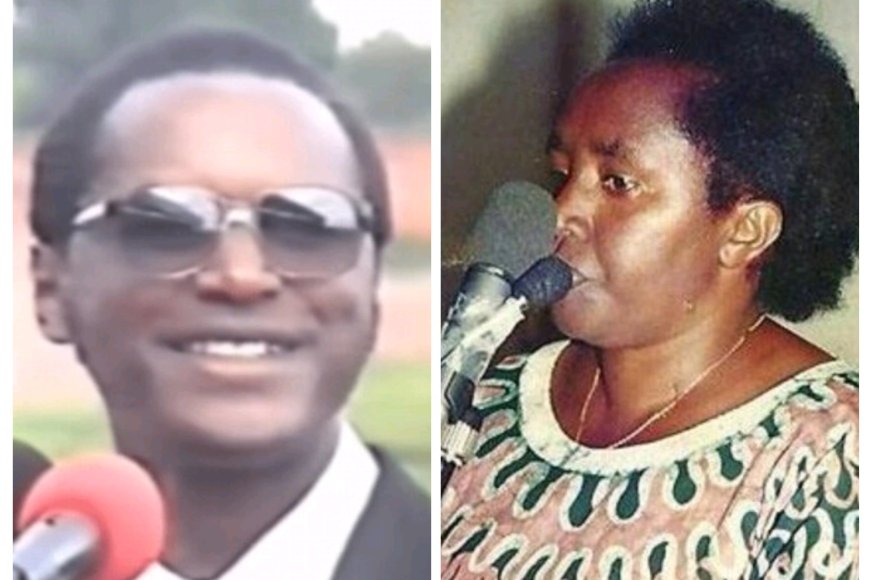
The most prominent leader to stand up against the extremists was the late Prime Minister Agathe Uwiringiyimana. On April 7, 1994, the presidential guard brutally killed her and her husband, Ignace Barahira, leaving their five children behind.
The following are what you can know about these politicians:
1. Dr. Théoneste GAFARANGA (1942 - April 16, 1994)
Gafaranga was killed on April 16, 1994. He was a member of parliament and served on the Social Affairs Commission from 1983 to 1988. He collaborated with others to found the (Social Democratic Party (PSD) and was appointed its second Vice President. Dr. Gafaranga was among those who strove for peace through the Arusha Peace Accords. He also advocated for those called "Inyenzi" (Tutsi) who had been excluded abroad to return and join others in building the country.
2. Jean Marie Vianney GISAGARA (1966 - May 5, 1994)
He was killed on May 5, 1994 killed by the national gendarmers. In 1993, he was elected as the Bourgmestre of Nyabisindu Commune (currently in Nyanza District, Southern Province), representing the PSD party. Gisagara fought against the injustice and discrimination perpetrated against the Tutsi in the commune he led, released those who had been labeled as "Inkotanyi accomplices and arrested." He continued to confront soldiers and gendarmes because of the violence and killings they committed against the Tutsi.
3. Dr. Jean Baptiste HABYARIMANA (1950 - June 1994)
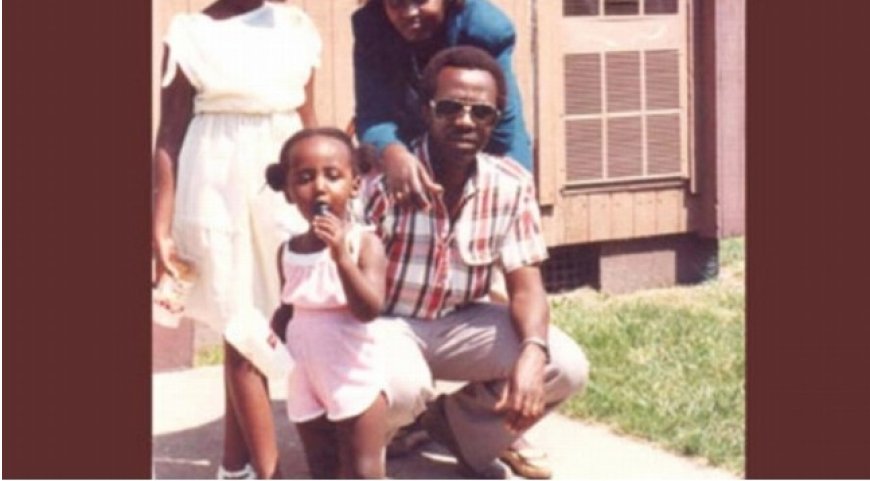
Dr. Habyarimana was a lecturer at the National University of Rwanda (UNR). The specific day and place of his death could not be determined. He became the Prefect of Butare Prefecture representing the PL party. He was the only Tutsi able to become a Prefect during that time. Dr. Habyarimana tried to stop the attacks by killers coming from other prefectures, which caused the Genocide to delay in starting fully in the Butare Prefecture he governed.
4. Vénantie KABAGENI (1944 - April 11, 1994)
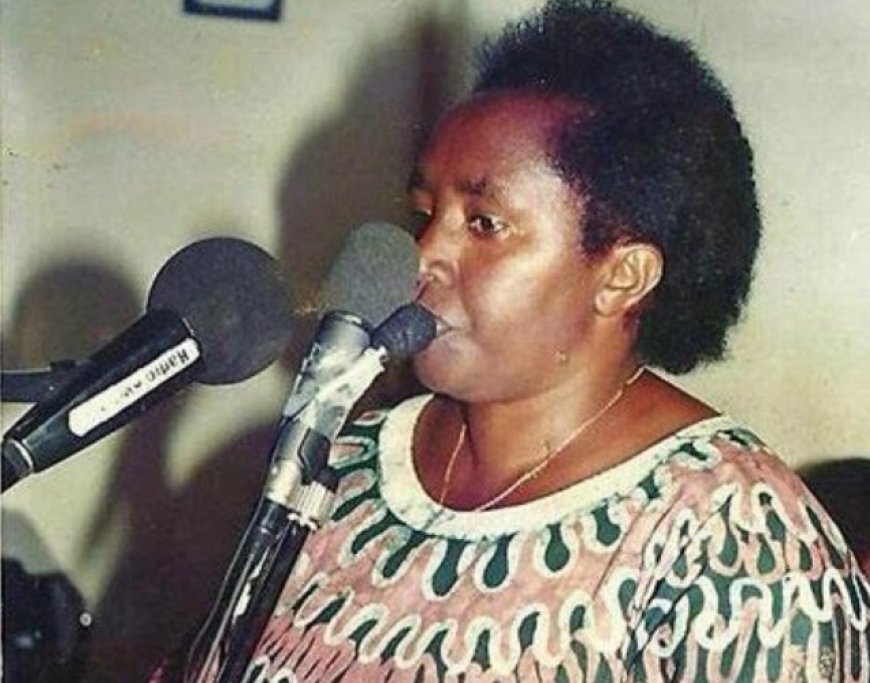
On April 11, 1994, Kabageni was killed by the Interahamwe. Kabageni served as a Member of Parliament from 1988, representing the National Revolutionary Movement for Development (MRND). However, she later resigned publicly and joined the Liberal Party (PL), after concluding that the MRND had become a party associated with violence and killings.The PL party made Kabageni its first Vice President, and she was on the list of those meant to represent it in the expanded Transitional National Assembly provided for by the Arusha Peace Accords.
5. André KAMEYA (May 15, 1946 - June 1994)
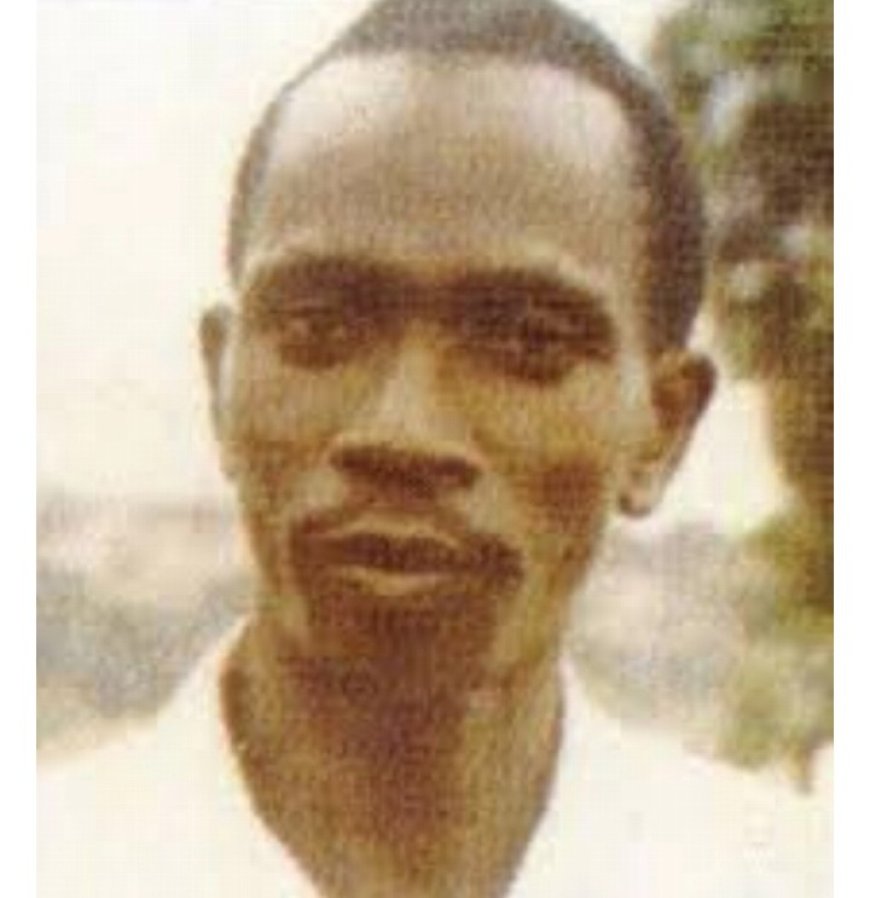
Kameya was killed in June 1994, taken from St. Paul Centre, in Kigali on the orders of the then Prefect of Kigali, Col. Renzaho Tharcisse, and Gen. Laurent Munyakazi. Kameya was among the founders of the PL party. He was the director of the newspaper called Rwanda Rushya, which challenged other newspapers that supported the MRND government like Kangura and others. He was the first to publish photos of the Inkotanyi, portraying them as Rwandan children who had returned home, in an article titled “Rwanda in Another.” At a time when other newspapers, particularly those driven by anti-Tutsi extremism, dehumanised them as “animals with long tails,” his reporting offered a starkly different and humanising perspective.
6. Joseph KAVARUGANDA (May 8, 1935 – April 7, 1994)
On April 7, 1994, Kavaruganda was killed by the presidential guard. He became very well-known starting in 1991, where he began to be persecuted for opposing the divisive politics of former President Juvenal Habyarimana and his party, MRND. He played a major role in the signing of the Arusha Peace Accords. He was killed while serving as the President of the Constitutional Court.
7. Charles KAYIRANGA (1949 - April 7, 1994)
On April 7, 1994, Kayiranga together with his family were killed by the presidential guard. He worked in the Ministry of Justice and later became the Director of Cabinet in that ministry. He was among the first to join the PL party. From 1991, Kayiranga continued to be hunted such that often he did not sleep at his home, renting elsewhere.
8. Jean Baptiste MUSHIMIYIMANA (January 1, 1954 - April 6, 1994)
On the night of April 6, 1994, Mushimiyimana and his family were killed by the Presidential Guard. He was an Agronomist for Kigembe Commune in Butare Prefecture in a FAO project. He also served as a political advisor in the Ministry of Public Works and Energy (MINITRAPE) in 1993. Mushimiyimana was killed as a member of the PSD. He was a member of the "Political Bureau" of that party and also served as its President in Ntongwe Commune, Gitarama Prefecture.
9. Callixte NDAGIJIMANA (1968 - April 21, 1994)
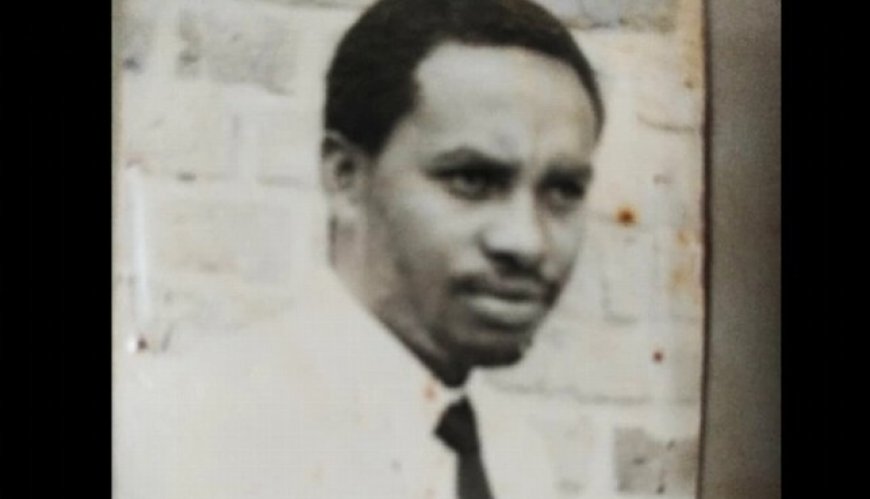
On April 21, 1994, Ndagijimana was killed. He was the Bourgmestre of Mugina Commune (formerly a commune in Gitarama Prefecture, currenty in Kamonyi District) in 1992. During his leadership, acts of violence against the Tutsi decreased. Ndagijimana eventually became a member of the PSD party. While the Genocide was being implemented, he blocked various Interahamwe attacks targeting Tutsis, until the leaders of Gitarama Prefecture saw that the Genocide would not be possible in Mugina while he was still alive, and conspired to kill him.
10. Landuald (Lando) NDASINGWA (May 19, 1947 - April 7, 1994)
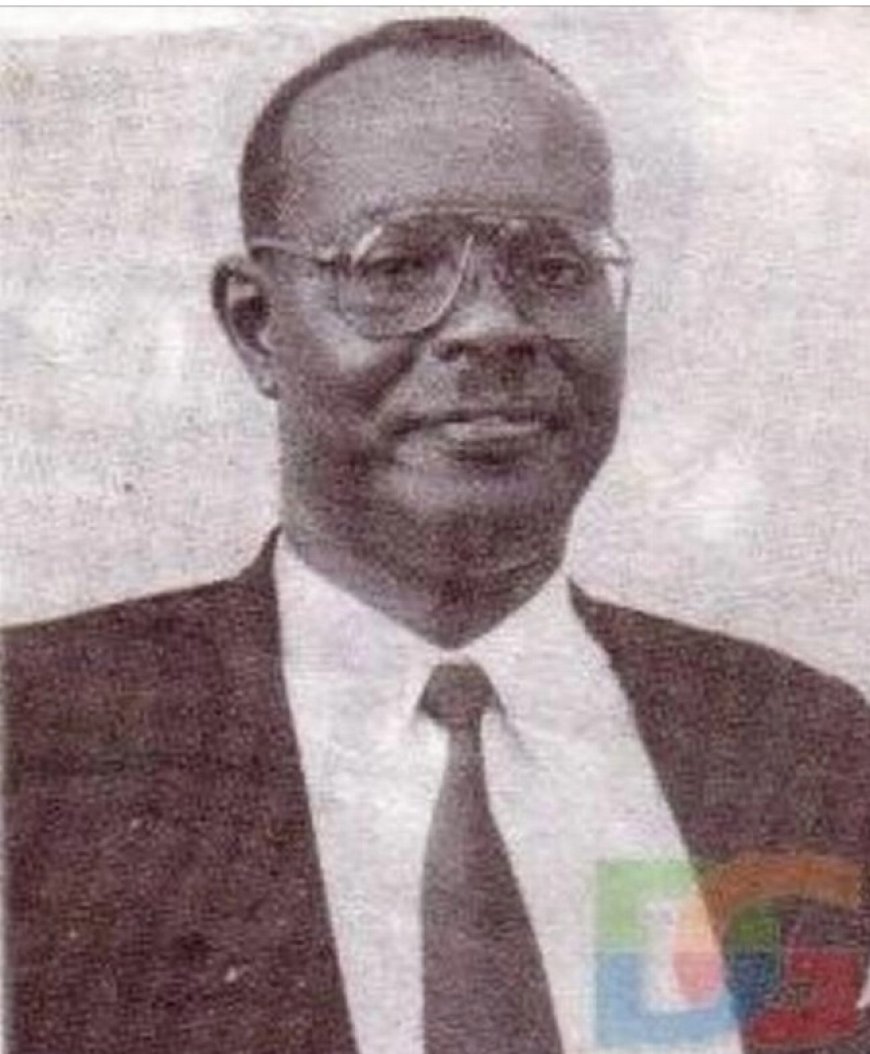
On April 7, 1994, Ndasingwa, along with his wife Hélène Pinski, their children Patrick and Malaika, and his mother Nyiratulira, was killed by members of the Presidential Guard. After being imprisoned among those called "Inkotanyi accomplices" in 1990, he joined the PL party, becoming its Vice President, and later served as the Minister of Social Affairs in the broad-based government of President Habyarimana in 1992. Landuald is the one who founded "Hotel Chez Lando" named after him. He was the brother of the current Secretary-General of the Organisation internationale de la Francophonie (OIF), Louise Mushikiwabo.
11. Me Félicien NGANGO (1952 - April 1994)
Between April 10 and 20, 1994, Félicien Ngango was taken to the military camp in Kimihurura and killed. Ngango was the Vice President of the PSD party. He was one of the strong activists of that party and was on the list of politicians meant to be placed in the Government according to the Arusha Peace Accords. Me Félicien used to tell his family members: “I know well that they will kill us, but let us practice true politics, so that the children who descend from us will know the bad struggle we went through, so that no one ever deceives them again.”
12. Boniface NGULINZIRA (1950 - April 11, 1994)
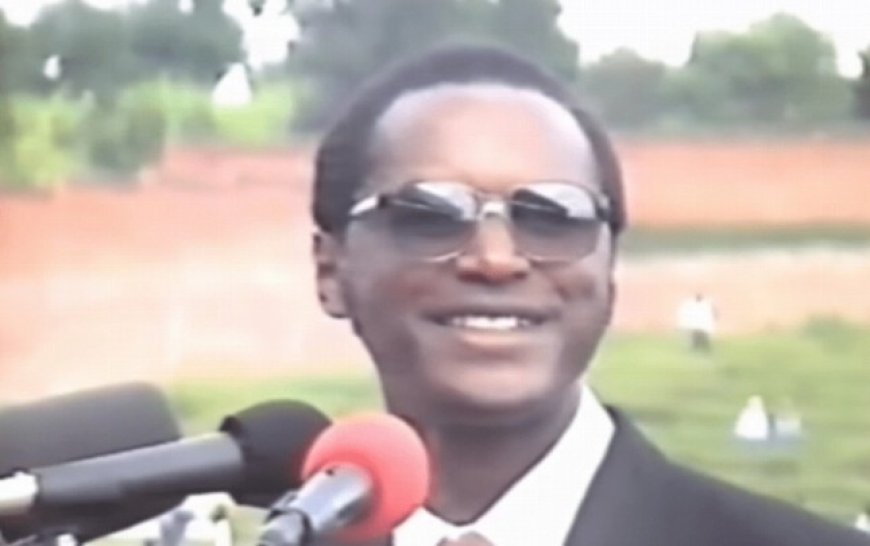
On April 11, 1994, Ngulinzira was killed by the presidential guard on Nyanza hill. Ngulinzira was one of the politicians who distanced themselves from the ruling MRND party and joined the MDR. He served as the Minister of Foreign Affairs from April 1992 to July 1993. When he represented Rwanda in the negotiations held in Arusha, Tanzania, he strove for the ceasefire agreements, which did not please the Habyarimana government.
13. Me Aloys NIYOYITA (1954 - April 17, 1994)
On April 17, 1994, Me Niyoyita was killed by members of the Presidential Guard. A member of the Liberal Party (PL), he played a significant role in opposing the dictatorial regime of President Habyarimana and other parties that promoted ethnic discrimination.
Me Niyoyita often expressed his vision in these words: “We must leave a better country for our children, so they do not endure the hardships we have known. That does not happen by chance, it must be fought for.”
14. Narcisse NYAGASAZA (1956 - April 23, 1994)
On April 23, 1994, Nyagasaza was killed by gendarmes led by Chief Warrant Officer (Adjudant-Chef) Hategekimana Philippe, also known as “Adjudant Biguma.”
In 1993, he had been elected Bourgmestre of Ntyazo Commune (now part of Nyanza District, Southern Province) representing the Liberal Party (PL). During the early stages of the Genocide, he attempted to prevent violence in the commune he administered. As the situation deteriorated, he warned Tutsi residents to flee to Burundi in an effort to save lives.
15. Frédéric NZAMURAMBAHO (1942 – April 7, 1994)
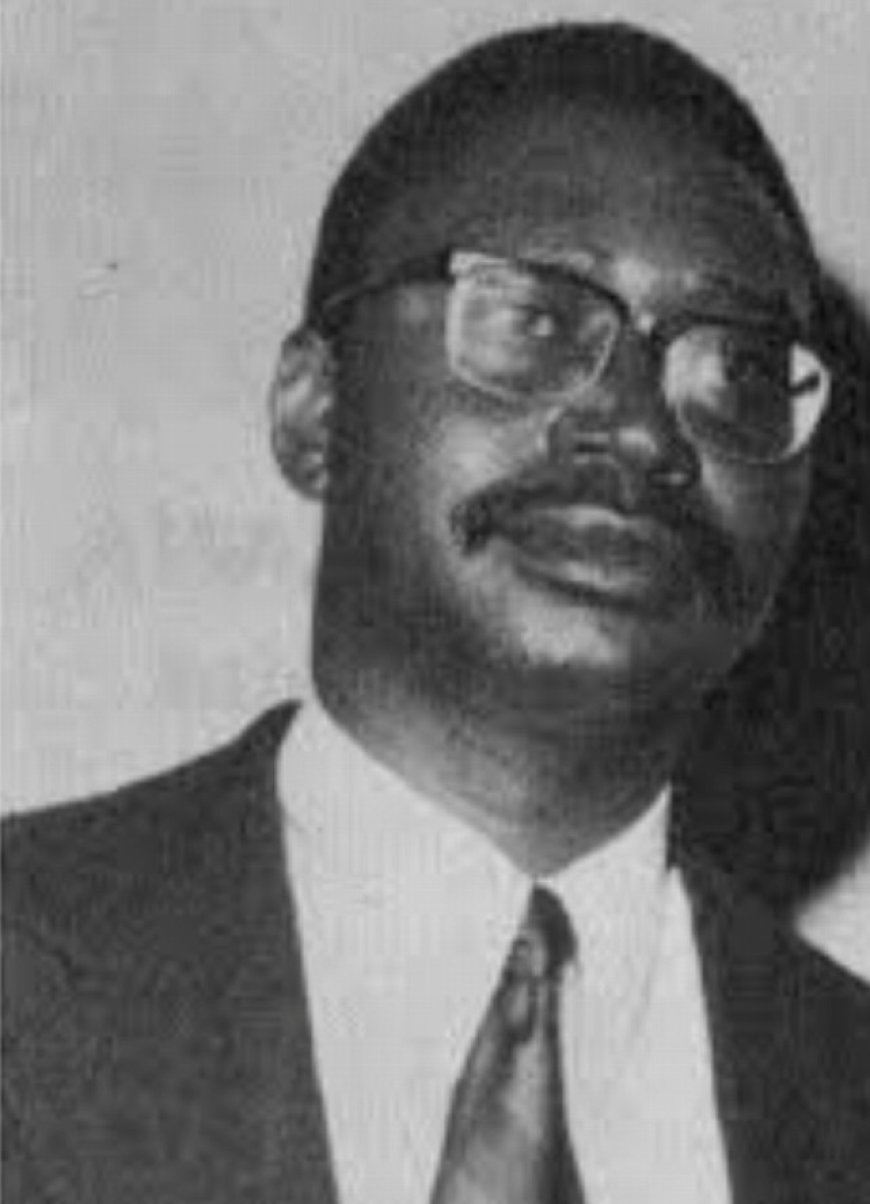
On April 7, 1994, Nzamurambaho and his family were killed by the presidential guard. He was the President of the PSD party, which was in opposition to President Habyarimana and his MRND party. He was killed while serving as the Minister of Agriculture. He left behind a saying his colleagues always remember him by: “If you are a coward you pay for it, if you are a man (courageous) you pay for it; you must choose what you will pay for.”
16. Faustin RUCOGOZA (1953 - April 7, 1994)
In the night between April 6 and 7, 1994, Rucogoza and his family were taken to a military camp by the Presidential Guard and killed. Although he served as Minister of Information, in November 1993 he had publicly stated that Radio Télévision Libre des Mille Collines (RTLM) was spreading hatred and discrimination, and that the station was controlled by extremist officials.
He was a member of the MDR party, aligned with the faction that opposed the government’s divisive and ethnically driven politics at the time.
17. Prof. Jean Gualbert RUMIYA (1950 - May 4, 1994)
On May 4, 1994, Prof. Rumiya was killed. He had served on the Executive Committee of the MRND in Butare Prefecture and at the national level, but later sought to challenge the party’s ethnic-based divisions.
On November 14, 1992, he wrote to President Habyarimana resigning from the MRND. In his letter, he stated: “…It is shameful to see a speech calling for ethnic-based killings and intolerance not being condemned, but instead applauded in an MRND meeting…”
18. Jean de la Croix RUTAREMARA (1958 - April 9, 1994)
On April 9, 1994, Rutaremara was killed by the Interahamwe for distancing himself from the “Hutu Power” movement driven by anti-tutsi extremism and descrimination. Rutaremara served as a legal advisor in the Ministry of Commerce (MICOMAR). He later became a member of the PL, standing firmly against the dictatorial regime of President Habyarimana.
19. Godefroid RUZINDANA (1951 - April 17, 1994)
On April 17, 1994, Ruzindana was killed while attempting to flee. Between 1992 and 1994, he served as Prefect of Kibungo Prefecture, representing the PSD party. He had also worked as Director General at the Ministry of Primary and Secondary Education (MINEPRISEC).
Ruzindana openly condemned the ideology and actions aimed at exterminating the Tutsi, which made him a target. He was increasingly labeled as an accomplice of the Inkotanyi in publications such as Umurangi and Kangura.
20. Vincent RWABUKWISI (1959 - April 11, 1994)
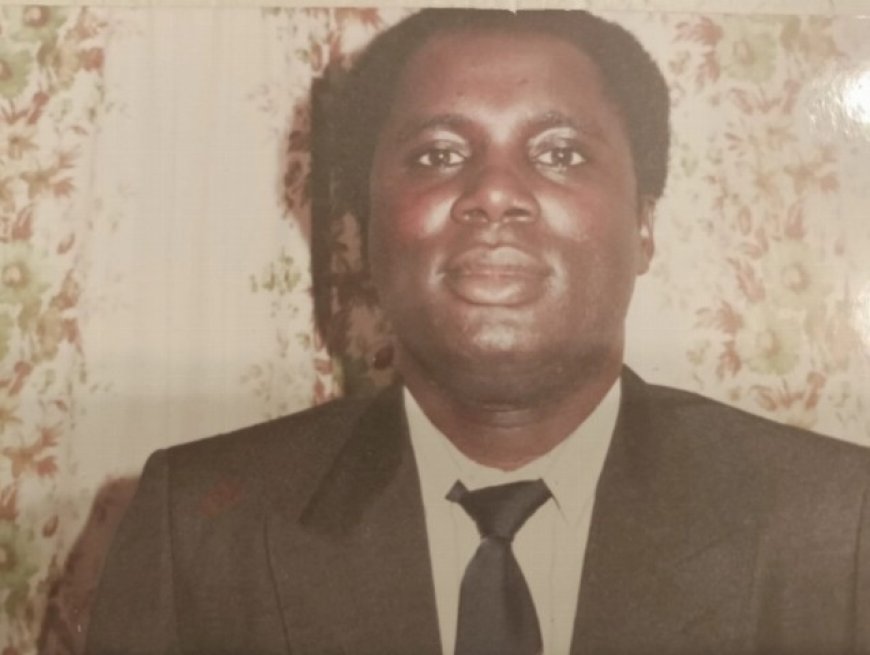
On April 11, 1994, Rwabukwisi was killed. He was a journalist and founder of several newspapers, including Ejo nzamera nte? (“What will I be like tomorrow?”), Kazagwa, and Kanguka. From 1986 until his death, he used journalism to speak out against division, injustice, and poor governance.
On December 29, 1991, he founded and was elected leader of the Democratic Union of the Rwandan People (UDPR) party. He worked to maintain unity among party members and prevent internal divisions and factionalism.
21. Augustin RWAYITARE (April 20, 1956 - April 20, 1994)
On April 20, 1994, Rwayitare was killed by the Interahamwe and soldiers. He had worked in the Ministry of Labor and Social Affairs (MINITRASO) and was among the early founders of the Liberal Party (PL) in 1991.
He was known for his commitment to social justice and often said: “Whether we live or die, we must stand up and fight so that every Rwandan lives well, children are able to study as they wish, and people are employed according to their abilities.”
The stories of these 21 politicians reveal a common thread of courage: individuals who, despite immense risk, chose to stand for what is right - against division, hate, and genocide ideology in defense of human dignity and national unity. Their sacrifice is a reminder to today’s leaders in Rwanda and beyond that political responsibility must always transcend narrow interests and resist any form of exclusion or dehumanisation, especially in times when global conflicts, including the great lakes region, are once again testing the limits of humanity. To young people in Rwanda and across the world, their legacy is a call to reject indifference, to question narratives that divide, and to actively defend peace, truth, and justice in their societies, because the future of any nation depends on the moral choices made by its citizens today.