 English
 Kinyarwanda

Protecting conflict-affected children key to building lasting peace

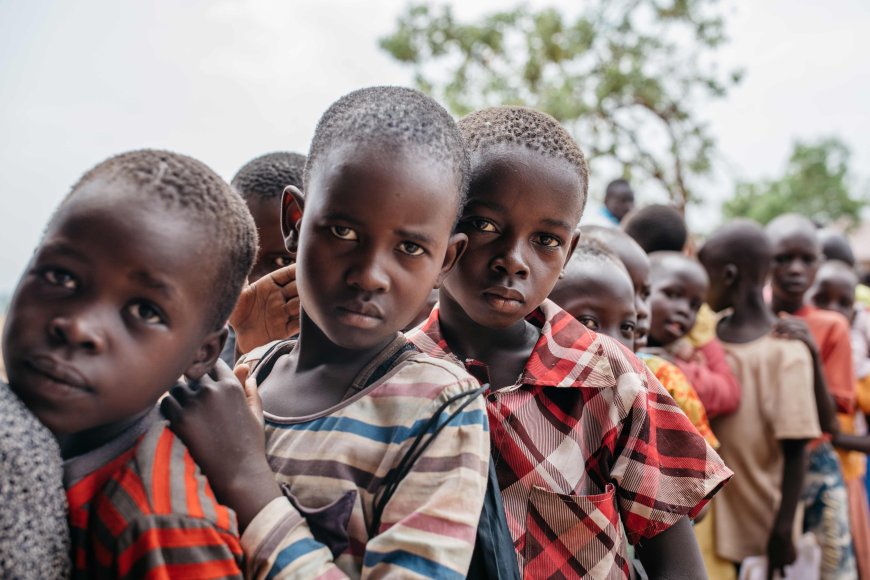
Investing in the protection, recovery and reintegration of children affected by armed conflict is essential to building lasting peace, according to child protection advocates who are calling for stronger support systems that help young survivors heal and rebuild their lives.
The call was made during a joint council meeting held in Lanao del Sur, Philippines last month, where stakeholders discussed ways to strengthen services for children whose lives have been disrupted by violence. While the discussions focused on the Philippine context, experts say the lessons resonate with conflict-affected communities across the world.
Speaking at the meeting, Rohaniza Sumndad-Usman of the Teach Peace Build Peace Movement stressed that children caught up in armed conflict should be viewed first and foremost as children in need of care rather than as security concerns.
"These are children carrying trauma, disrupted education, loss, stigma and experiences of violence," she said, noting under the law, they are children in need of protection and support.
According to Sumndad-Usman, children affected by conflict face unique challenges that require tailored responses. Many have witnessed violence, lost family members, been displaced from their homes or missed years of schooling. These experiences often leave deep emotional scars that can persist long after fighting has ended.
She argued that treating conflict-affected children in the same way as other vulnerable groups risks overlooking their specific needs. Instead, she called for dedicated programmes that focus on psychological recovery, education, rehabilitation and long-term reintegration into their families and communities.
Central to that vision, she said, is identifying institutions and service providers capable of supporting children throughout their recovery journey—from emergency protection to long-term aftercare.
The meeting also explored the idea of establishing a provincial mechanism that would bring together child protection, peacebuilding and social services under one coordinated framework. Such an approach, advocates believe, could help ensure that children receive consistent support instead of fragmented assistance.
"With the leadership of our governor and vice governor, Lanao del Sur has the opportunity to become a pioneering province in establishing a comprehensive child-centred approach to rehabilitation, reintegration and peacebuilding," Sumndad-Usman said.
Beyond the Philippines, the message reflects a growing global recognition that protecting children is fundamental to preventing future cycles of violence.
Across many conflict-affected regions, children continue to face displacement, interrupted education, recruitment by armed groups and long-term psychological trauma.
Peacebuilding practitioners increasingly argue that helping children recover is not only a humanitarian responsibility but also a long-term investment in more resilient and peaceful societies.
By giving young people access to education, psychosocial support and opportunities to reconnect with their communities, governments and partners can reduce the risks of exclusion, marginalisation and renewed violence.
For Sumndad-Usman, empowering children to heal and grow into peaceful citizens is one of the strongest foundations for sustainable peace.