 English
 Kinyarwanda

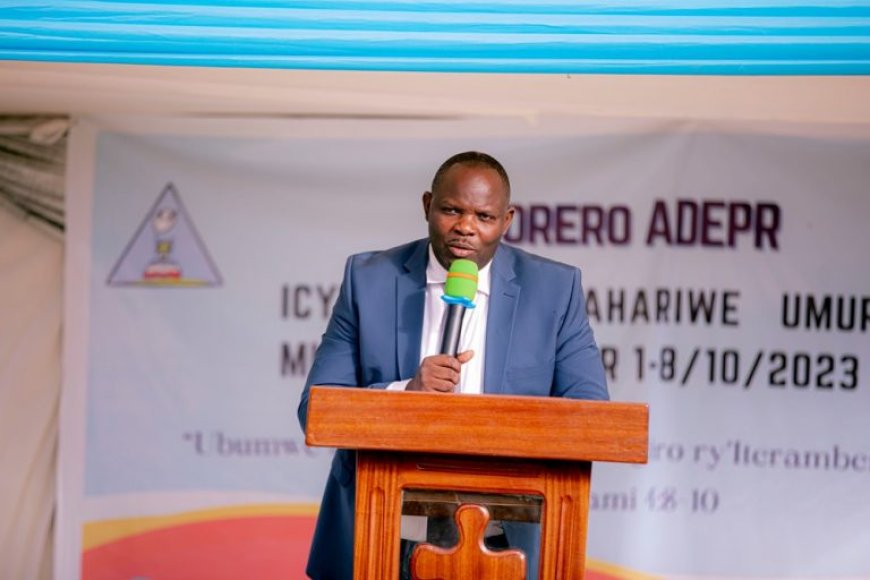
Rwanda: ADEPR Church strips over 30 preachers of duties over genocide convictions

Rwanda’s Pentecostal church, ADEPR Church, has stripped more than 30 pastors and evangelists of their clerical responsibilities after confirming their involvement in the 1994 Genocide against the Tutsi.
In a statement issued on March 18, the church said the decision followed a resolution by its General Council of Pastors and was intended to uphold the integrity of the institution and its teachings.
“Those on the list have been stripped of their pastoral and evangelistic responsibilities… because they were convicted of the crime of the Genocide against the Tutsi in 1994,” the statement read.
The move affects 35 individuals who once served in various leadership roles across the country. Several are currently serving prison sentences, while others live abroad.
Among them is Jean Uwinkindi, a former pastor in Eastern Province, who is serving a life sentence at Nyanza Correctional Facility. Others named include Matayo Ngezahayo, Noel Nkubito and Joseph Ndemeye, who are detained in correctional facilities across the country.
The church’s decision also extends beyond Rwanda’s borders. Some of those stripped of their titles are currently living abroad, including Simon Pierre Gatera and Cyprien Gakwerere. Others linked to Uganda and the Democratic Republic of Congo include Gerard Kagurano, Gervais Mwaruguru and Amoni Munyeboyi.
In addition, several individuals were formally disqualified from representing the church in any capacity, including Joel Bizimungu, Mathias Kananura, Celestin Muhire and Gaspard Ndarizigamye, alongside others listed in the statement.
The decision reflects a broader and ongoing reckoning within Rwanda’s religious institutions over their role during the Genocide against the Tutsi. While many clergy and faith communities protected those fleeing violence, often at great personal risk, others were found to have participated in or enabled atrocities.
Churches were not only places of worship during the genocide but also became sites where thousands sought refuge. In some cases, these sanctuaries turned into killing grounds when attackers targeted those hiding inside, sometimes with the complicity of local leaders. Several significant churches were transformed into genocide memorial sites, including Nyamata, Ntarama in Bugesera District and Nyarubuye, in Kirehe District, eastern Rwanda.
Over the years, several clergies from different denominations have been prosecuted and convicted by both national courts and international tribunals for their roles in the violence.
At the same time, many religious leaders have been recognised for acts of courage, sheltering victims and resisting pressure from perpetrators. This dual legacy continues to shape how faith institutions in Rwanda confront their past and rebuild trust with communities.
In the decades since 1994, churches have played a significant role in reconciliation efforts, promoting dialogue, forgiveness and community healing and resilience. However, accountability remains a central pillar of that process. Decisions such as ADEPR’s are seen as part of a broader commitment to acknowledge wrongdoing and ensure that those responsible do not continue to hold positions of moral authority.
For ADEPR, the latest decision signals a clear stance that participation in one of the darkest chapters of Rwanda’s history is incompatible with spiritual leadership.
As the country continues its long journey of remembrance and reconciliation, such actions underscore an enduring message, that justice and moral responsibility extend to all institutions, including those built on faith.